US Renewable Investment: Reshaping Global Energy Geopolitics by 2026

Anúncios
The global energy landscape is undergoing a monumental transformation, driven by an urgent need to address climate change, enhance energy security, and foster sustainable economic growth. At the forefront of this seismic shift is the United States, whose burgeoning US Renewable Investment is not only redefining its domestic energy matrix but also profoundly reshaping global geopolitics. By 2026, the ripple effects of these investments are expected to be fully realized, altering international relations, trade dynamics, and strategic alliances in unprecedented ways. This article delves into the intricate mechanisms through which US commitment to renewable energy is driving this change, the geopolitical implications, and how it’s securing a more sustainable and equitable energy future.
The Dawn of a New Energy Era: US Leadership in Renewables
For decades, global energy security was synonymous with access to fossil fuels, primarily oil and natural gas. This paradigm fueled geopolitical tensions, shaped foreign policies, and often led to conflicts in resource-rich regions. However, the accelerating pace of technological innovation, coupled with a growing global consensus on climate action, has propelled renewable energy sources like solar, wind, hydro, and geothermal into the mainstream. The US, with its vast resources, technological prowess, and robust financial markets, has emerged as a critical leader in this transition, with US Renewable Investment reaching unprecedented levels.
Policy Drivers and Financial Commitments
The surge in US Renewable Investment is not accidental; it is a direct result of ambitious policy frameworks and substantial financial commitments. Initiatives such as the Inflation Reduction Act (IRA) have injected hundreds of billions of dollars into clean energy projects, offering lucrative tax credits, grants, and loan guarantees for renewable energy production, manufacturing, and deployment. These policies have created a stable and attractive investment environment, drawing in both domestic and international capital. The IRA alone is projected to mobilize trillions in private sector investment over the next decade, with a significant portion dedicated to renewable energy infrastructure, battery storage, and electric vehicle charging networks.
Anúncios
Beyond federal initiatives, individual states and municipalities are also playing a crucial role. Many have enacted their own renewable portfolio standards (RPS), mandating a certain percentage of electricity to come from renewable sources. This patchwork of policies, while sometimes complex, collectively creates a powerful market signal, encouraging innovation and scale-up in the renewable sector. The commitment to decarbonization targets, often enshrined in law or executive orders, further solidifies the long-term trajectory of US Renewable Investment.
Technological Advancements and Cost Reductions
The economic viability of renewable energy has dramatically improved over the past two decades, largely due to relentless technological advancements and subsequent cost reductions. Solar photovoltaic (PV) panel costs, for instance, have plummeted by over 80% since 2010, making solar power one of the cheapest forms of electricity generation in many parts of the world. Similarly, the cost of wind power has seen significant declines, driven by larger, more efficient turbines and improved manufacturing processes. Energy storage solutions, particularly lithium-ion batteries, have also become more affordable and efficient, addressing the intermittency challenges of renewables.
These technological breakthroughs, often spurred by US Renewable Investment in research and development, have made renewable energy not just an environmental imperative but also a compelling economic opportunity. The US is a hub for innovation, with its universities, national labs, and private sector companies continually pushing the boundaries of what’s possible in clean energy. This innovation ecosystem is a critical factor in maintaining the momentum of the energy transition.
Anúncios
Reshaping Global Geopolitics by 2026: A Multifaceted Impact
The implications of robust US Renewable Investment extend far beyond its borders, initiating a profound recalibration of global power dynamics and international relations. By 2026, several key geopolitical shifts are expected to become undeniably apparent.
Diminished Influence of Petro-States
One of the most significant geopolitical impacts of the global energy transition, fueled by US Renewable Investment, is the gradual erosion of the geopolitical leverage held by traditional petro-states. Nations whose economies and political influence are heavily reliant on oil and gas exports will find their positions increasingly challenged. As major economies, including the US, reduce their demand for fossil fuels, the global market for these commodities will shrink, leading to lower prices and reduced revenues for exporting countries. This could destabilize regions historically dependent on oil wealth, potentially leading to internal political unrest or a scramble to diversify economies.
Conversely, countries rich in critical minerals essential for renewable technologies (e.g., lithium, cobalt, rare earth elements) may see their geopolitical importance rise. This shift introduces a new set of supply chain vulnerabilities and potential friction points, as nations compete for access to these vital resources. The US is actively working to secure its own supply chains for these minerals, both domestically and through international partnerships, further impacting global resource dynamics.
New Alliances and Energy Dependencies
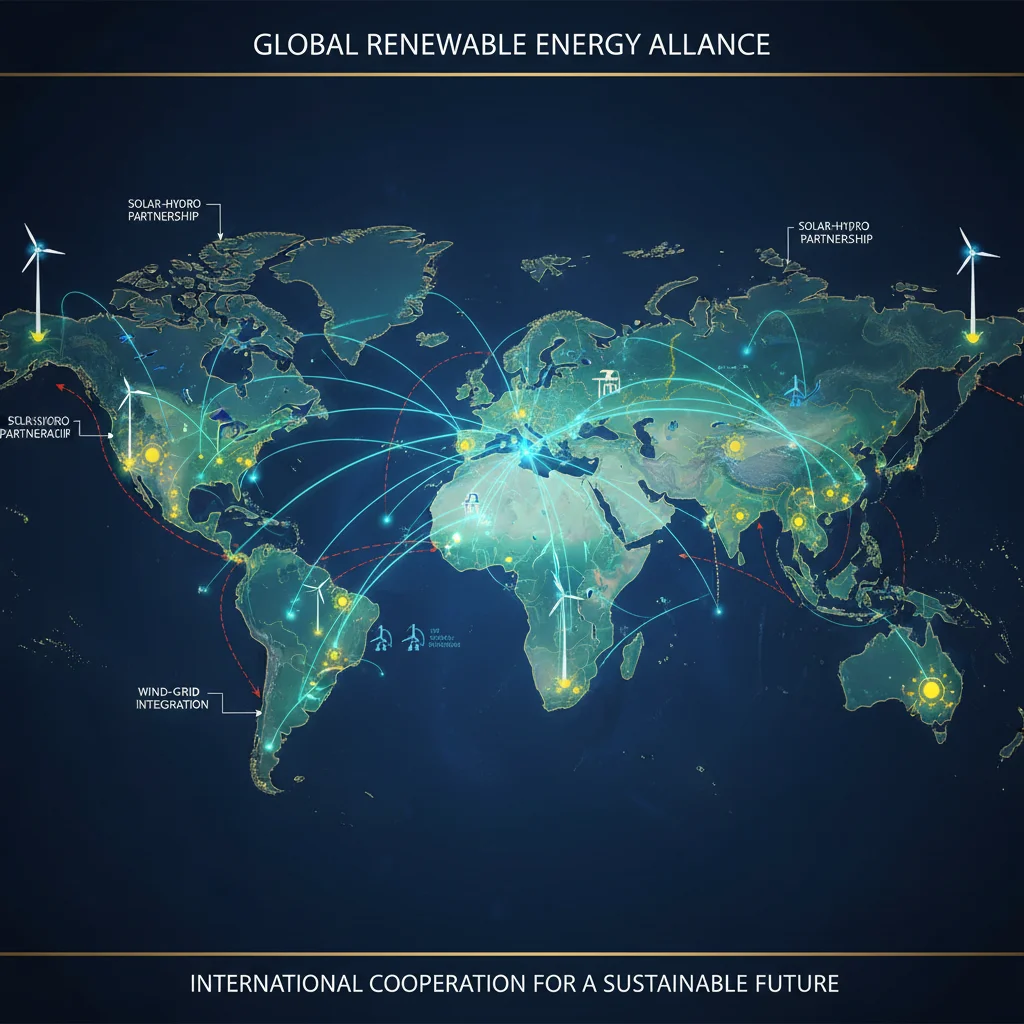
The energy transition is fostering new forms of international cooperation and, paradoxically, new dependencies. Instead of relying on a handful of oil-producing nations, countries will increasingly depend on partners for renewable energy technologies, critical minerals, and green hydrogen. This shift could lead to the formation of new alliances centered around clean energy innovation, manufacturing, and infrastructure development. The US, through its investments and technological leadership, is positioned to be a central player in these emerging alliances.

For example, partnerships for offshore wind development, cross-border electricity grids, and hydrogen production are already gaining traction. These collaborations can strengthen diplomatic ties and create shared economic interests, potentially leading to greater global stability. However, they also introduce new vectors for competition and potential geopolitical rivalry, particularly concerning control over key technologies and supply chains. The race for technological supremacy in renewable energy, driven by countries like the US, will be a defining feature of 21st-century geopolitics.
Enhanced Energy Security for Importing Nations
For nations historically reliant on imported fossil fuels, the energy transition offers an unprecedented opportunity to enhance their energy security. By investing in domestic renewable energy sources, countries can reduce their exposure to volatile international energy markets and insulate themselves from geopolitical shocks that might disrupt oil and gas supplies. This is a significant driver for US Renewable Investment, as it seeks to reduce its own reliance on external energy sources and stabilize its economy against global price fluctuations.
The decentralization inherent in many renewable energy systems (e.g., rooftop solar) also makes energy infrastructure less vulnerable to large-scale attacks or natural disasters, further bolstering national security. As the US exports its renewable energy technologies and expertise, it also helps other nations achieve greater energy independence, contributing to a more stable global energy order.
Climate Diplomacy and Soft Power
Leadership in climate action and renewable energy development is increasingly becoming a crucial component of a nation’s soft power and diplomatic influence. The US, by demonstrating a strong commitment to decarbonization through its US Renewable Investment, can regain credibility on the international stage and exert greater influence in global climate negotiations. This leadership encourages other nations to accelerate their own energy transitions, creating a positive feedback loop for global climate action.
Furthermore, providing financial and technical assistance for renewable energy projects in developing countries can strengthen diplomatic ties and foster goodwill. This form of climate diplomacy can counter the influence of rivals and build a network of partners committed to a sustainable future. The US is actively engaging in such initiatives, recognizing that global climate solutions require collective effort and shared expertise.
Securing Future Supply: The Long-Term Vision
Beyond the immediate geopolitical shifts, the strategic intent behind US Renewable Investment is to secure a future energy supply that is abundant, affordable, and resilient. This long-term vision encompasses several critical dimensions.
Diversification of Energy Sources
A heavy reliance on a single or a few energy sources creates inherent vulnerabilities. The transition to a diversified energy mix, with renewables at its core, significantly mitigates these risks. By harnessing solar, wind, hydro, geothermal, and emerging technologies like advanced nuclear and fusion, the US is building an energy portfolio that is less susceptible to price shocks, supply disruptions, or the depletion of finite resources. This diversification is a cornerstone of long-term energy security.
Grid Modernization and Resilience
The influx of renewable energy necessitates a modernized and resilient electricity grid. US Renewable Investment is heavily focused on smart grid technologies, advanced battery storage, and distributed energy resources. These investments aim to create a grid that can efficiently integrate intermittent renewable sources, withstand extreme weather events, and recover quickly from outages. A robust and intelligent grid is not just about delivering clean energy; it’s about ensuring consistent, reliable power for homes, businesses, and critical infrastructure, thereby securing future supply.
Innovation in Energy Storage
The intermittency of solar and wind power has historically been a challenge. However, massive US Renewable Investment in energy storage solutions is rapidly overcoming this hurdle. From utility-scale batteries to pumped hydro and emerging technologies like thermal storage and hydrogen storage, the US is pioneering solutions that allow renewable energy to be stored and dispatched on demand. This ensures that clean energy is available not just when the sun shines or the wind blows, but 24/7, making renewables a truly dependable base-load power source.
Developing a Green Economy and Job Growth
Securing future energy supply also means securing future economic prosperity. US Renewable Investment is fueling the growth of a vibrant green economy, creating millions of new jobs in manufacturing, installation, research, and development. This includes jobs in solar panel and wind turbine manufacturing, battery production, electric vehicle assembly, and the development of new clean energy technologies. This economic revitalization provides a powerful incentive for continued investment and innovation, ensuring that the US remains at the cutting edge of the global energy transition.
Challenges and the Path Forward
Despite the immense progress and optimistic outlook, the path to a fully renewable energy future is not without its challenges. Geopolitical complexities, supply chain vulnerabilities, and the need for continuous technological innovation remain significant hurdles.
Geopolitical Competition for Critical Minerals
As mentioned, the shift from fossil fuels to renewables creates new dependencies on critical minerals. The geopolitical competition for access to and control over these resources is intensifying. The US is actively working to diversify its supply chains, invest in domestic mining and processing capabilities, and form strategic alliances to mitigate these risks. This involves navigating complex international relations and ensuring ethical sourcing of materials.
Grid Infrastructure and Permitting
Building out the necessary grid infrastructure to transmit vast amounts of renewable energy from remote generation sites to population centers requires significant investment and streamlined permitting processes. Bureaucratic hurdles and local opposition can slow down project development. Continued US Renewable Investment in grid modernization and policy reforms to accelerate permitting will be crucial.
International Cooperation and Standards
The global nature of climate change and energy transition necessitates robust international cooperation. Establishing common standards for renewable energy technologies, facilitating cross-border energy trade, and coordinating climate policies will be essential for maximizing the benefits of the transition. The US has a pivotal role to play in fostering this global collaboration, leveraging its diplomatic influence and economic power.
Ensuring an Equitable Transition
A just and equitable transition is paramount. This means ensuring that communities historically dependent on fossil fuel industries are not left behind. US Renewable Investment must include provisions for retraining programs, economic diversification initiatives, and support for workers transitioning to green jobs. Addressing energy poverty and ensuring access to affordable clean energy for all segments of society, both domestically and globally, is also a critical ethical imperative.
Conclusion
By 2026, the profound impact of US Renewable Investment on global geopolitics and future energy supply will be undeniable. This strategic shift is diminishing the influence of traditional petro-states, forging new international alliances, enhancing energy security for importing nations, and bolstering US soft power through climate diplomacy. The long-term vision of securing an abundant, affordable, and resilient energy future is being realized through diversification, grid modernization, innovation in storage, and the growth of a green economy.
While challenges remain, the momentum behind the energy transition, driven by robust US commitment, is irreversible. The choices made today in terms of policy, investment, and international cooperation will determine the shape of the global energy landscape for decades to come. The US is not just investing in clean energy; it is investing in a new global order, one where energy security, economic prosperity, and environmental sustainability are inextricably linked. The world watches as the US continues to lead this transformative journey, redefining what it means to be an energy superpower in the 21st century.
