Personalized Nutrition 2026: Key Factors Shaping Your Diet
Anúncios
Personalized Nutrition in 2026: Understanding the 4 Key Factors Shaping Your Diet (INSIDER KNOWLEDGE)
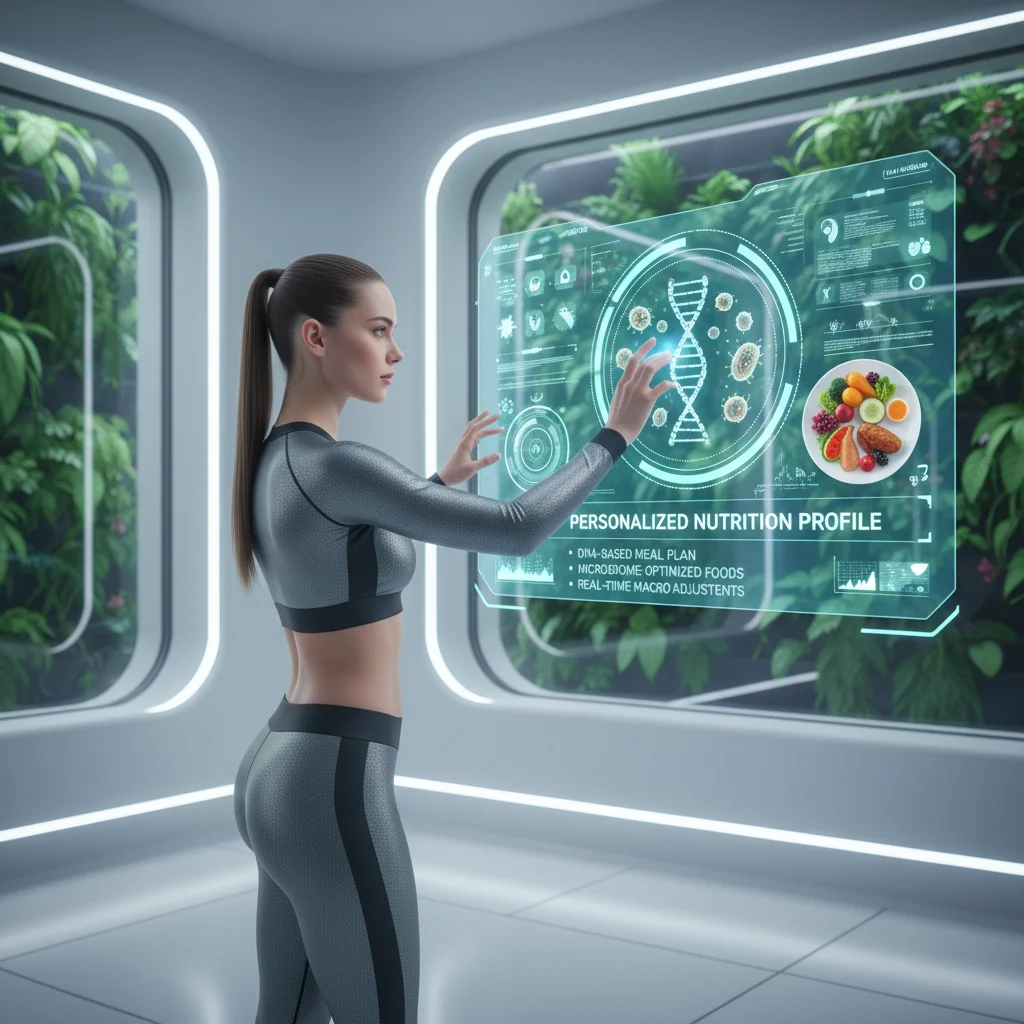
The landscape of health and wellness is undergoing a seismic shift, and at its epicenter is the burgeoning field of personalized nutrition. Gone are the days of one-size-fits-all dietary advice. As we hurtle towards 2026, the concept of eating for optimal health is becoming intricately tailored, precise, and uniquely individual. This isn’t just about avoiding allergens or following a specific diet trend; it’s about leveraging cutting-edge science and technology to craft a dietary blueprint that resonates with your unique biological makeup and lifestyle. Understanding the key factors shaping personalized nutrition is no longer a luxury but a necessity for anyone serious about their health.
What exactly does personalized nutrition entail, and why is it gaining such rapid traction? At its core, personalized nutrition recognizes that each human body is a complex, dynamic system influenced by a myriad of internal and external forces. What works wonders for one person might be ineffective, or even detrimental, for another. This realization has fueled an explosion in research and technological advancements, propelling us into an era where dietary recommendations are no longer generic but deeply personal. The promise is profound: better health outcomes, enhanced disease prevention, and a more profound understanding of our own bodies.
As we delve into the intricacies of personalized nutrition, we will uncover the four pivotal factors that are not only defining its present but also dictating its future trajectory in 2026 and beyond. These factors—genetics, the gut microbiome, individual lifestyle, and advanced technological integration—are converging to create a powerful synergy, offering unprecedented insights into how our bodies interact with the food we consume. This insider knowledge will equip you to navigate the evolving world of diet and health, empowering you to make informed choices that truly serve your well-being.
Anúncios
The Genetic Blueprint: Unlocking Dietary Secrets with Nutrigenomics
One of the most foundational pillars of personalized nutrition is our genetic makeup. The field of nutrigenomics, a fascinating intersection of nutrition and genomics, is rapidly advancing our understanding of how individual genetic variations influence our response to specific nutrients and dietary patterns. No two individuals share the exact same genetic code (barring identical twins), and these subtle differences can have profound implications for our metabolism, nutrient absorption, satiety signals, and even our predisposition to certain diet-related conditions.
In 2026, genetic testing for personalized nutrition is becoming increasingly accessible and sophisticated. Beyond identifying predispositions to conditions like Celiac disease or lactose intolerance, modern nutrigenomic tests can now provide insights into a much broader spectrum of dietary responses. For instance, some genetic variations might indicate a higher or lower requirement for certain vitamins (like Vitamin D or B vitamins), a greater sensitivity to caffeine, or a propensity to metabolize fats or carbohydrates differently. Understanding these genetic nuances allows for a level of dietary customization that was previously unimaginable.
Consider the example of caffeine metabolism. Some individuals are ‘fast metabolizers’ of caffeine, meaning their bodies process it quickly, leading to a lesser impact on sleep or anxiety. Others are ‘slow metabolizers,’ experiencing prolonged effects and potentially adverse reactions from even moderate caffeine intake. A personalized nutrition plan, informed by genetic data, can advise on appropriate caffeine consumption, optimizing energy levels without compromising sleep or increasing anxiety. Similarly, genetic insights can guide recommendations for macronutrient ratios (carbohydrates, proteins, fats) that are best suited for an individual’s metabolism, potentially impacting weight management, athletic performance, and overall energy.
Anúncios
Furthermore, nutrigenomics is shedding light on how our genes influence our taste preferences and cravings. Some genetic variations might make certain vegetables taste bitter, or predispose individuals to crave sugary or fatty foods. While genetics are not destiny, understanding these predispositions provides valuable information for developing sustainable and enjoyable dietary strategies. Instead of fighting against inherent biological tendencies, personalized nutrition leverages genetic knowledge to work with them, making healthy eating more intuitive and effective.
The ethical implications and privacy concerns surrounding genetic data are, of course, a critical part of this conversation. As genetic testing becomes more mainstream for personalized health, robust regulatory frameworks and transparent data handling practices will be paramount. However, the potential for nutrigenomics to revolutionize our understanding of individual dietary needs is undeniable, making it a cornerstone of personalized nutrition in 2026.
The Gut Microbiome: Your Inner Ecosystem’s Influence on Diet
Beyond our human cells, we host trillions of microorganisms, primarily bacteria, in our gut. This bustling community, collectively known as the gut microbiome, is increasingly recognized as a powerful determinant of our health, influencing everything from digestion and nutrient absorption to immune function, mood, and even weight management. In 2026, understanding and optimizing the gut microbiome is proving to be a critical factor in personalized nutrition strategies.
Each individual possesses a unique gut microbiome, shaped by genetics, birth mode, early life exposures, antibiotic use, and, most significantly, diet. The composition and diversity of these microbial inhabitants dictate how we process food, extract energy, synthesize essential compounds (like certain vitamins), and even respond to medications. An imbalanced or less diverse microbiome, often termed dysbiosis, has been linked to a wide array of health issues, including inflammatory bowel diseases, obesity, type 2 diabetes, allergies, and even neurological disorders.
Advances in sequencing technologies have made it possible to analyze an individual’s gut microbiome composition. In 2026, these analyses are becoming more sophisticated, moving beyond simply identifying species to understanding their functional capabilities. This allows personalized nutrition practitioners to identify specific microbial imbalances and recommend targeted dietary interventions. For example, if an individual lacks certain beneficial bacteria known to produce short-chain fatty acids (which are crucial for gut health and immune function), the personalized plan might emphasize specific prebiotic fibers that feed those particular strains.
Dietary recommendations based on microbiome analysis often focus on increasing the diversity of beneficial bacteria. This typically involves consuming a wide variety of plant-based foods rich in fiber, such as fruits, vegetables, whole grains, legumes, nuts, and seeds. Probiotic-rich foods like fermented dairy (yogurt, kefir), kimchi, sauerkraut, and kombucha are also frequently recommended to introduce beneficial live bacteria. However, the ‘best’ prebiotic and probiotic sources can vary significantly depending on an individual’s existing microbiome profile.
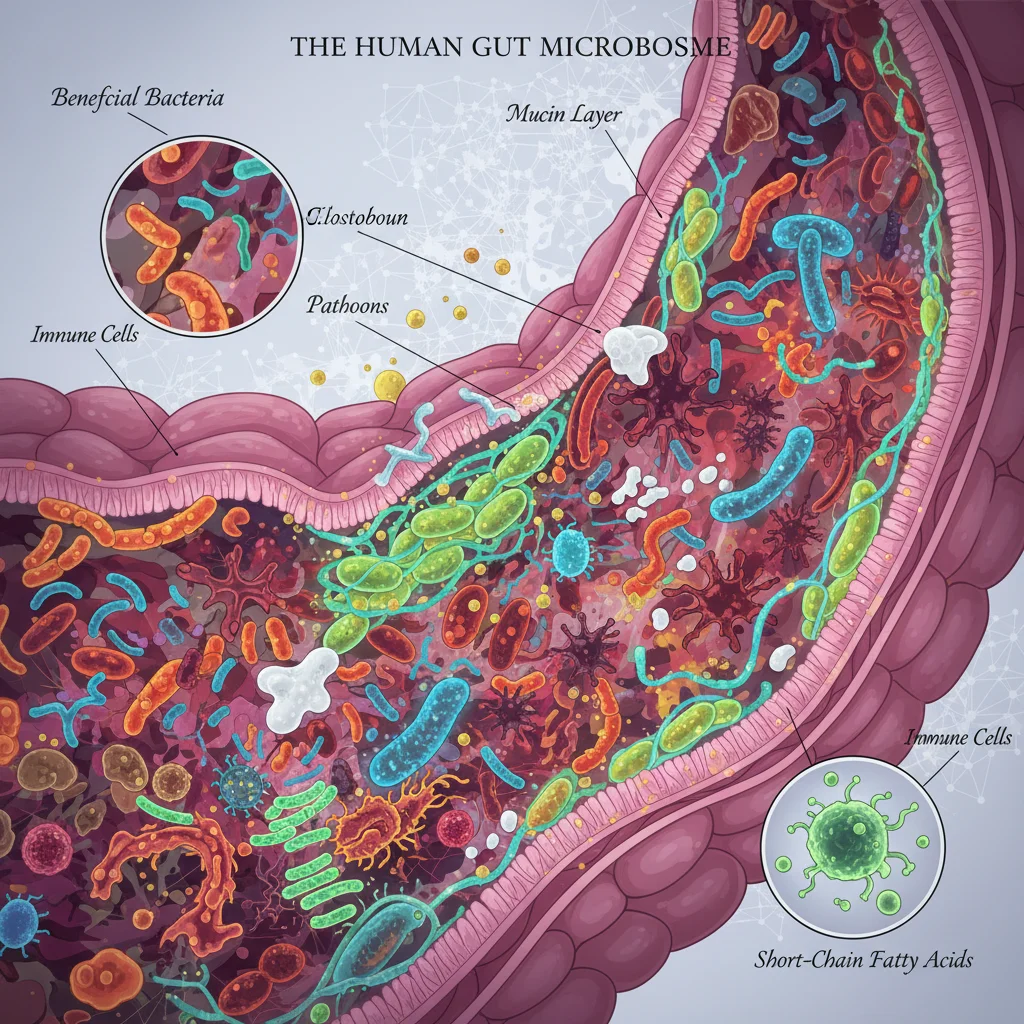
The interplay between the gut microbiome and personalized nutrition is dynamic. Not only does our diet shape our microbiome, but our microbiome, in turn, influences our food preferences and how we metabolize nutrients. This bidirectional relationship underscores the importance of continuous monitoring and adaptive dietary strategies. As research in this area continues to flourish, the gut microbiome will remain a central, evolving piece of the personalized nutrition puzzle, offering incredible potential for improving human health.
Lifestyle Factors: Beyond the Plate, into Daily Life
While genetics and the microbiome provide crucial biological insights, a truly personalized nutrition plan must extend beyond the biological and encompass an individual’s entire lifestyle. In 2026, lifestyle factors are recognized as equally potent determinants of how a diet impacts health, influencing everything from nutrient utilization to metabolic responses and overall well-being. Ignoring these elements would render any personalized dietary advice incomplete and potentially ineffective.
Key lifestyle factors include physical activity levels, sleep patterns, stress management, environmental exposures, and even cultural or social eating habits. Each of these components interacts with our diet in complex ways. For instance, a highly active individual will have different caloric and macronutrient requirements compared to someone with a sedentary lifestyle. Their nutrient timing and recovery needs will also differ significantly. A personalized nutrition plan must account for these variations, recommending not just what to eat, but also when and how much, in alignment with their energy expenditure.
Sleep is another critical, often overlooked, lifestyle factor. Chronic sleep deprivation can disrupt hormones that regulate appetite (ghrelin and leptin), increase insulin resistance, and impair glucose metabolism. A personalized nutrition plan for someone struggling with sleep might prioritize foods that support melatonin production, reduce inflammatory responses, and stabilize blood sugar, while also addressing behavioral strategies for improving sleep hygiene. Similarly, chronic stress can lead to increased cortisol levels, which can influence fat storage, cravings for comfort foods, and digestive issues. Personalized nutrition in this context might focus on stress-reducing foods, adaptogens, and mindful eating practices that help mitigate the physiological impact of stress.
Environmental factors, such as exposure to pollutants or access to fresh, healthy foods, also play a significant role. For individuals living in food deserts or highly polluted areas, personalized nutrition might involve strategies to maximize nutrient intake from available sources, recommend specific supplements to counteract environmental toxins, and provide practical advice for sourcing healthier options. Cultural and social aspects of eating are equally important; a sustainable personalized plan must be enjoyable and integrate seamlessly into an individual’s social life, rather than isolating them.
The goal is to create a holistic picture of an individual’s life, recognizing that diet does not exist in a vacuum. By integrating these diverse lifestyle factors, personalized nutrition in 2026 moves beyond mere food recommendations to offer comprehensive, actionable strategies that support overall health and well-being, fostering long-term adherence and positive outcomes.
Technological Integration: AI, Wearables, and the Future of Dietary Tracking
The fourth, and perhaps most dynamic, factor driving personalized nutrition in 2026 is the rapid advancement and integration of technology. Artificial intelligence (AI), machine learning, wearable devices, and advanced biometric sensors are transforming how we gather data, analyze insights, and deliver personalized dietary recommendations. This technological revolution is making personalized nutrition more accessible, data-driven, and continuously adaptive.
Wearable devices, such as smartwatches and continuous glucose monitors (CGMs), are no longer just for fitness enthusiasts. They are becoming integral tools for personalized nutrition. CGMs, for example, provide real-time data on how different foods impact an individual’s blood sugar levels, offering immediate feedback that can profoundly influence dietary choices. This instant gratification and clear correlation between food and physiological response empower individuals to make smarter decisions, moving beyond generic glycemic index charts to understand their unique metabolic responses.
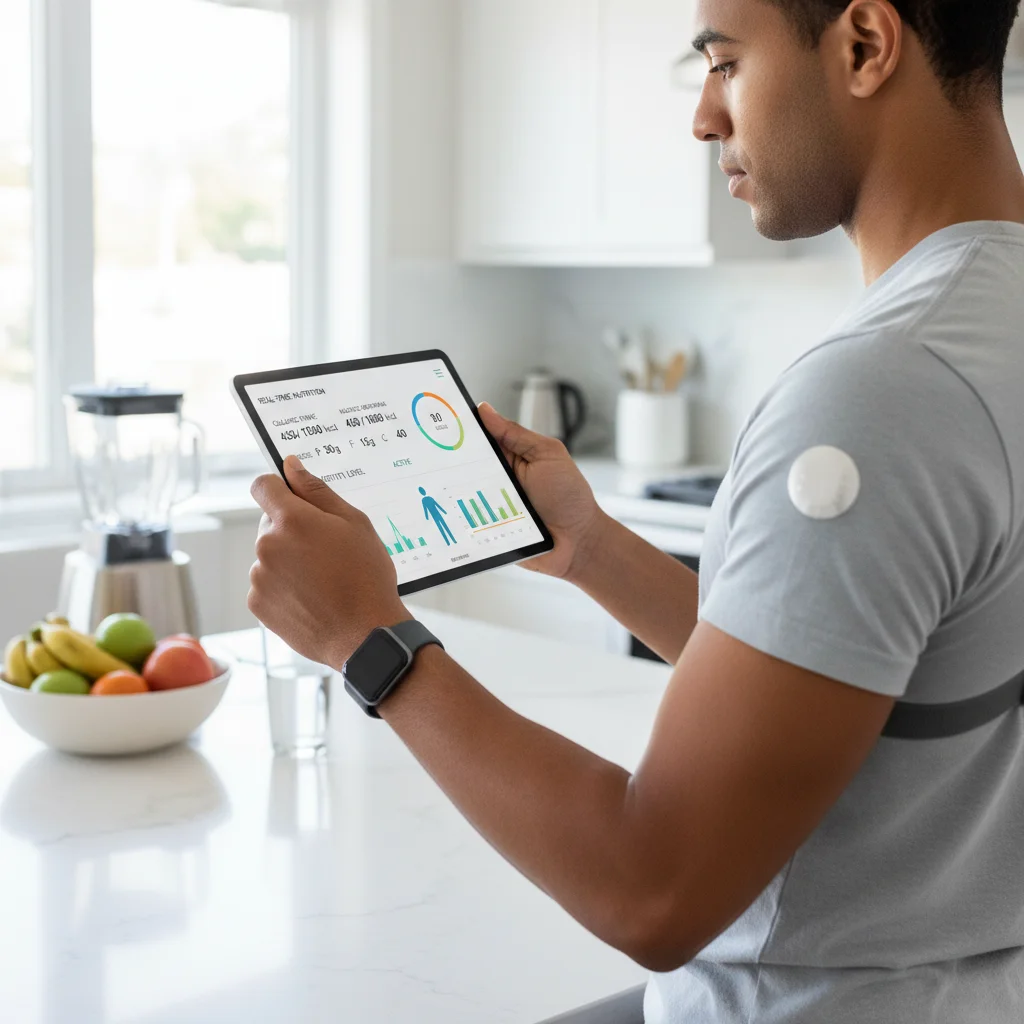
AI and machine learning algorithms are the engines that power the analysis of this vast amount of data—from genetic profiles and microbiome sequencing to wearable sensor data and dietary logs. These algorithms can identify complex patterns and correlations that would be impossible for humans to discern, leading to increasingly precise and predictive dietary recommendations. AI-powered platforms can synthesize information from all four personalized nutrition factors (genetics, microbiome, lifestyle, technology) to generate highly individualized meal plans, supplement recommendations, and even predict potential responses to certain foods.
Furthermore, technology is enhancing the delivery and adherence to personalized nutrition plans. Mobile applications offer seamless food tracking, recipe suggestions tailored to individual needs, and reminders for hydration or meal times. Virtual reality (VR) and augmented reality (AR) are even beginning to explore immersive experiences for nutritional education and meal planning. Telehealth platforms are connecting individuals with personalized nutrition experts, making specialized advice more widely available, regardless of geographical location.
However, the proliferation of technology also brings challenges related to data privacy, accuracy of consumer-grade devices, and the potential for information overload. The key lies in developing robust, evidence-based technological solutions that are user-friendly, secure, and genuinely empower individuals without overwhelming them. As technology continues to evolve, its role in making personalized nutrition a scalable and effective reality will only grow, cementing its place as a cornerstone of health in 2026.
The Synergy of Factors: A Holistic Approach to Personalized Nutrition
While we’ve explored genetics, the gut microbiome, lifestyle, and technology as distinct factors, their true power lies in their synergistic interaction. In 2026, the most effective personalized nutrition strategies don’t rely on just one piece of information but integrate all available data points to create a comprehensive and dynamic dietary blueprint. This holistic approach recognizes the intricate web of influences that shape our health and dietary needs.
Imagine a scenario where an individual undergoes genetic testing, revealing a predisposition to slow caffeine metabolism and a higher need for certain antioxidants. Simultaneously, their gut microbiome analysis indicates a lack of specific beneficial bacteria crucial for fiber digestion. Their wearable device data shows erratic sleep patterns and moderate daily activity. An advanced AI-powered personalized nutrition platform can then synthesize all this information. It might recommend a diet rich in specific prebiotic fibers to feed the missing gut bacteria, emphasize antioxidant-rich foods, suggest timing caffeine intake early in the day (or opting for decaf), and provide meal timing strategies that support improved sleep, all while accounting for their activity level.
This integrated approach allows for a level of precision and effectiveness that was previously unattainable. It moves beyond generic dietary advice, such as ‘eat more vegetables,’ to specific recommendations like ‘increase your intake of resistant starch from green bananas and cooled potatoes to nourish Bifidobacterium lactis, which your microbiome analysis shows is underrepresented, potentially improving your digestive comfort and nutrient absorption.’ This level of detail empowers individuals with actionable insights directly relevant to their unique biology.
Furthermore, the beauty of this integrated model is its adaptability. As our bodies and lifestyles change, so too can our personalized nutrition plans. Regular re-evaluation of gut microbiome composition, updates to lifestyle data from wearables, and ongoing genetic research can lead to continuous refinement of dietary recommendations. This iterative process ensures that personalized nutrition remains relevant and optimized throughout an individual’s life journey.
The convergence of these four personalized nutrition factors is not just about preventing disease; it’s about optimizing health, enhancing performance, boosting energy levels, and improving overall quality of life. It represents a paradigm shift from reactive treatment to proactive prevention and personalized wellness, offering a powerful tool for individuals to take control of their health destiny.
Navigating the Future: Challenges and Opportunities in Personalized Nutrition
As personalized nutrition continues its rapid ascent towards becoming a mainstream health approach by 2026, it’s crucial to acknowledge both the exciting opportunities and the inherent challenges that lie ahead. The promise of tailor-made dietary advice for optimal health is immense, but its widespread and equitable implementation requires careful consideration.
One primary opportunity lies in the potential for unprecedented health outcomes. By aligning diet with individual biology and lifestyle, personalized nutrition can significantly improve chronic disease management, enhance athletic performance, optimize mental well-being, and extend health span. It moves us away from a trial-and-error approach to a more scientific, data-driven methodology, potentially reducing healthcare costs in the long run by focusing on prevention.
Another significant opportunity is the empowerment of individuals. With access to their own genetic, microbiome, and lifestyle data, people become active participants in their health journey. They gain a deeper understanding of their bodies and how food impacts them, fostering a sense of agency and encouraging sustainable healthy habits. This shift from passive recipient to informed decision-maker is a powerful aspect of the personalized nutrition movement.
However, several challenges need to be addressed. The cost of advanced testing (genetic, microbiome) and personalized coaching can be prohibitive for many, raising concerns about health equity. Ensuring that personalized nutrition is accessible to diverse socioeconomic groups is paramount to avoid creating a two-tiered health system. Efforts are needed to make these technologies more affordable and to integrate them into public health initiatives.
Data privacy and security are also critical concerns. The collection of highly sensitive personal biological and lifestyle data necessitates robust ethical guidelines, transparent data usage policies, and stringent security measures to protect individuals’ information from misuse. Trust in these systems will be foundational to their adoption.
Furthermore, the scientific validity and interpretation of personalized nutrition recommendations require ongoing scrutiny. While many aspects are evidence-based, the field is still evolving, and not all claims or commercial products are backed by rigorous scientific consensus. The need for qualified professionals to interpret complex data and provide sound, evidence-based advice is more critical than ever. Consumers must be educated to distinguish between credible science and marketing hype.
The sheer volume of information can also be overwhelming. Simplifying complex biological data into actionable, easy-to-understand recommendations is a challenge that technology and expert communication must address. Over-reliance on technology without human guidance could lead to misinterpretations or an inability to adapt plans to real-world constraints.
Despite these hurdles, the trajectory of personalized nutrition is clear. As research continues to unravel the complexities of human biology and technology becomes more sophisticated and integrated, the field will mature and become an indispensable part of preventative healthcare and wellness. The key will be to navigate these challenges thoughtfully, ensuring that the benefits of personalized nutrition are realized broadly and responsibly.
Conclusion: Embracing Your Unique Dietary Path
As we’ve explored, personalized nutrition in 2026 is far more than a fleeting trend; it’s a fundamental paradigm shift in how we approach diet and health. The convergence of four powerful personalized nutrition factors—our unique genetic blueprint, the intricate ecosystem of our gut microbiome, the multifaceted influences of our lifestyle, and the transformative power of advanced technology—is creating an era of unprecedented dietary precision. This isn’t about rigid rules or restrictive diets; it’s about understanding your body at a profound level and fueling it in a way that optimizes your health, energy, and longevity.
The journey towards truly personalized eating is an exciting one, promising a future where dietary advice is as unique as your fingerprint. By embracing the insights offered by nutrigenomics, nurturing your gut microbiome, aligning your nutrition with your lifestyle, and leveraging the intelligence of AI and wearable tech, you gain the power to make informed choices that resonate with your individual needs. This insider knowledge positions you at the forefront of health innovation, enabling you to move beyond generic recommendations and embark on a dietary path that is truly your own.
The future of nutrition is personal, precise, and profoundly empowering. As these key factors continue to evolve and integrate, the opportunity to unlock your optimal health potential through a tailored dietary approach becomes increasingly tangible. Step into 2026 with the understanding that your diet is a dynamic, personal journey, and with the right insights, you can navigate it to achieve unparalleled well-being.
