Digital Storytelling Revitalizes Native American Cultures: 7 Initiatives to Watch in 2026
Anúncios
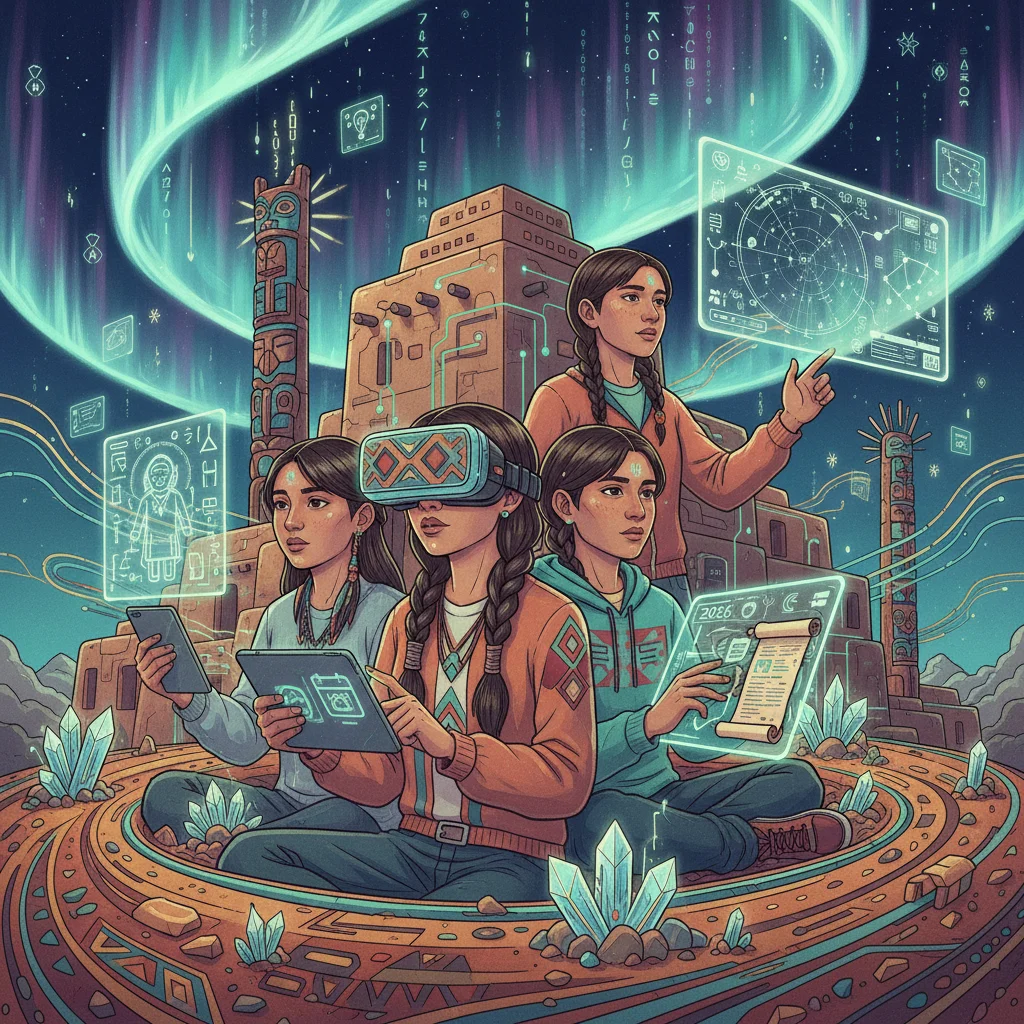
In an era defined by rapid technological advancement, the ancient art of storytelling is finding new life through digital mediums, particularly within Native American communities. For centuries, indigenous cultures have relied on oral traditions, ceremonies, and art to transmit knowledge, values, and histories across generations. Today, as these communities face ongoing challenges of cultural erosion and language loss, Native American digital storytelling has emerged as a powerful, innovative tool for preservation, revitalization, and global outreach. By leveraging platforms from virtual reality to interactive apps, indigenous peoples are reclaiming their narratives, fostering cultural pride, and educating a wider audience about their rich heritage.
The year 2026 stands as a pivotal moment, with numerous groundbreaking initiatives demonstrating the profound impact of digital storytelling. These projects are not merely about digitizing old stories; they are about creating new ways to experience, interact with, and contribute to living cultures. This article will delve into seven key initiatives that are leading the charge in revitalizing Native American cultures through the dynamic power of digital storytelling.
The Power of Digital Storytelling in Cultural Preservation
Before exploring specific initiatives, it’s crucial to understand why digital storytelling is such a potent force for Native American communities. Traditional storytelling, while invaluable, often faces barriers in reach and preservation in a rapidly changing world. Digital platforms offer unprecedented opportunities:
Anúncios
- Global Reach: Stories can transcend geographical boundaries, reaching indigenous diaspora and non-indigenous audiences worldwide.
- Interactivity and Engagement: Digital formats allow for immersive experiences, from virtual reality tours of ancestral lands to interactive language learning apps, fostering deeper engagement.
- Youth Engagement: Technology resonates deeply with younger generations, encouraging them to connect with their heritage in familiar and exciting ways.
- Preservation of Endangered Languages: Digital archives and interactive tools are critical for documenting and teaching endangered indigenous languages.
- Self-Representation: Digital tools empower indigenous creators to control their narratives, countering historical misrepresentations and stereotypes.
These advantages make Native American digital storytelling not just a trend, but a vital strategy for cultural survival and flourishing. The initiatives highlighted below exemplify these benefits, showcasing innovation, community collaboration, and a profound commitment to cultural continuity.
1. The Ancestral Voices VR Project: Immersive Cultural Journeys
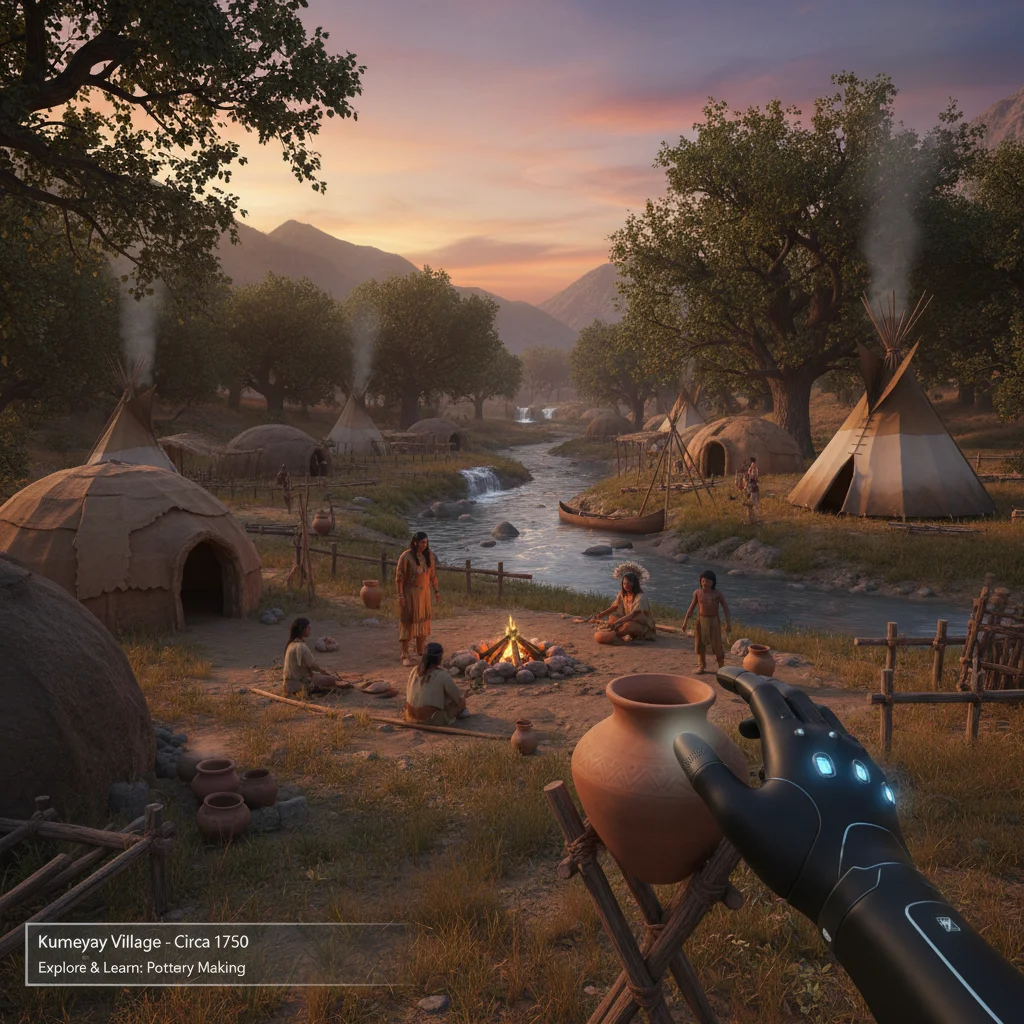
One of the most exciting developments in Native American digital storytelling is the use of virtual reality (VR). The Ancestral Voices VR Project, launched by a consortium of tribal elders and tech innovators, is creating fully immersive VR experiences that transport users to historically significant sites and reconstruct traditional ways of life. Imagine walking through a meticulously recreated ancestral village, hearing the sounds of daily life, and learning directly from virtual representations of elders about hunting techniques, spiritual practices, or ceremonial dances.
By 2026, this project is expected to have completed its initial phase, featuring VR tours of several prominent tribal lands. The goal is to provide a visceral, educational experience for both tribal members, especially youth who may not have direct access to these sites, and the general public. This initiative is a powerful example of how technology can bridge the gap between past and present, making history tangible and accessible. It’s a dynamic way to preserve architectural knowledge, environmental understanding, and social structures that might otherwise be lost.
Anúncios
2. Indigenous Language Revitalization Apps: Speaking the Future
Language is the cornerstone of culture, and many Native American languages are critically endangered. Recognizing this, several communities have turned to mobile applications for language revitalization. The ‘Speak Our Roots’ initiative, for instance, has developed a suite of interactive apps for various indigenous languages, including Navajo, Cherokee, and Lakota.
These apps go beyond simple flashcards. They incorporate gamified learning, traditional stories told by fluent speakers, cultural context for vocabulary, and even AI-powered pronunciation feedback. By 2026, ‘Speak Our Roots’ plans to expand its library to include dozens more languages, partnering directly with tribal language programs. This effort in Native American digital storytelling is crucial for engaging younger learners and ensuring that these ancient tongues continue to thrive in the digital age. The apps are designed to be user-friendly and culturally relevant, making language acquisition an enjoyable and meaningful experience.
3. The ‘Our Ancestors’ Digital Archive: A Repository of Knowledge
Historical records and oral histories are invaluable, but often scattered or vulnerable to loss. The ‘Our Ancestors’ Digital Archive project aims to create a centralized, secure, and accessible digital repository for Native American historical documents, photographs, audio recordings, and video interviews. This isn’t just a passive archive; it’s designed to be an interactive platform where communities can upload their own materials, add context, and share stories with appropriate consent and cultural protocols.
By 2026, the archive is projected to house millions of artifacts and narratives, becoming an indispensable resource for researchers, educators, and tribal members seeking to connect with their past. The initiative emphasizes data sovereignty and indigenous control over their cultural property, ensuring that the narratives are presented authentically and respectfully. This comprehensive approach to Native American digital storytelling ensures that future generations will have direct access to the voices and experiences of their forebears.
4. Indigenous Filmmaking and Animation Studios: Visual Narratives for a New Era
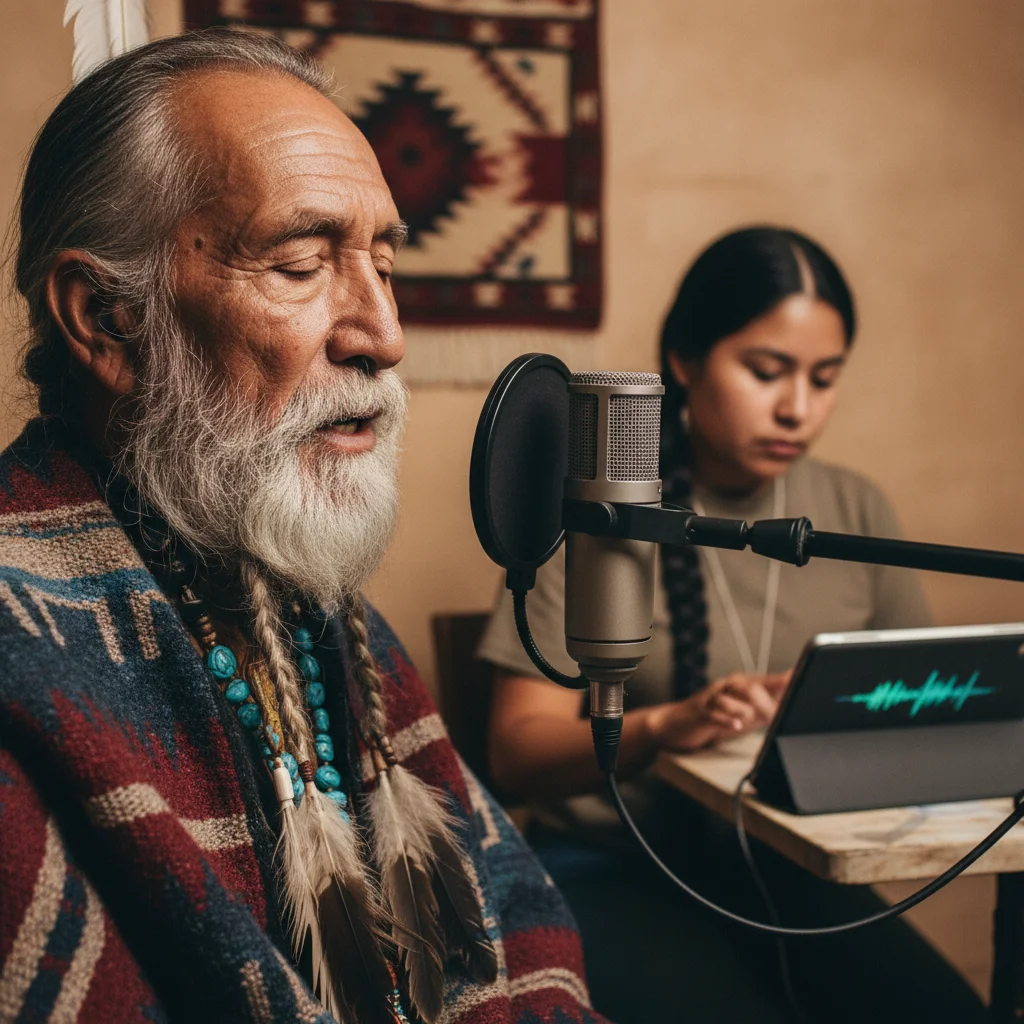
Film and animation offer powerful visual avenues for storytelling. Several indigenous-led studios are emerging, dedicated to producing films, documentaries, and animated series that authentically portray Native American cultures, histories, and contemporary lives. The ‘Spirit Weavers Studio’, for example, is gaining recognition for its animated shorts based on traditional creation myths and contemporary stories of indigenous youth navigating modern challenges.
These studios are not only creating compelling content but also fostering indigenous talent in filmmaking, scriptwriting, and animation. By 2026, ‘Spirit Weavers Studio’ expects to release its first full-length animated feature, distributed on major streaming platforms, bringing Native American digital storytelling to a global mainstream audience. This represents a significant step towards breaking down stereotypes and offering nuanced, self-determined representations of indigenous peoples.
5. Interactive Cultural Heritage Maps: Exploring Ancestral Lands Digitally
Understanding the deep connection between Native American cultures and their ancestral lands is crucial. Interactive cultural heritage maps are a burgeoning form of Native American digital storytelling that allows users to explore these connections virtually. Projects like the ‘Living Lands Map’ integrate geographical data with historical narratives, ecological knowledge, and cultural significance.
Users can click on specific points on a map to learn about traditional place names, historical events that occurred there, the plants and animals unique to that ecosystem, and the spiritual significance of the land to various tribes. By 2026, ‘Living Lands Map’ aims to cover significant portions of North America, with contributions from numerous tribal nations. This digital mapping initiative not only preserves vital ecological and historical knowledge but also reinforces land stewardship principles and indigenous sovereignty.
6. Social Media and Indigenous Influencers: Reaching New Audiences
While often associated with fleeting trends, social media platforms have become powerful tools for Native American digital storytelling and cultural advocacy. Indigenous influencers, artists, and educators are using platforms like TikTok, Instagram, and YouTube to share aspects of their culture, debunk myths, teach language phrases, and highlight contemporary indigenous issues.
The rise of creators like ‘Native_Knowledge_Keeper’ on TikTok, who shares daily facts about various tribes, demonstrates the massive potential for engaging diverse audiences. By 2026, we anticipate a further professionalization of indigenous social media content, with more formalized networks and collaborations. This grassroots movement is democratizing storytelling, allowing individual voices to contribute to a collective narrative of resilience and cultural pride, reaching millions who might otherwise never encounter authentic indigenous perspectives.
7. The ‘Future Ancestors’ Game Development Collective: Gamifying Heritage
Video games are a dominant form of entertainment and a powerful medium for immersive narrative. The ‘Future Ancestors’ Game Development Collective, an indigenous-led group of game designers and cultural consultants, is creating video games that embed cultural teachings, historical events, and language learning within engaging gameplay experiences. Instead of relying on external interpretations, these games are designed from an indigenous worldview.
One upcoming title, ‘Guardians of the Four Winds’, is an adventure game where players learn about traditional ecological knowledge and spiritual practices while solving puzzles and interacting with characters based on tribal legends. By 2026, this collective aims to release several titles across different gaming platforms, demonstrating that Native American digital storytelling can thrive in the interactive entertainment space. This approach not only entertains but also educates players about indigenous cultures in a highly interactive and memorable way, fostering empathy and understanding.
Challenges and Ethical Considerations in Digital Storytelling
While the potential of Native American digital storytelling is immense, it is not without challenges. Key considerations include:
- Data Sovereignty and Ownership: Ensuring that indigenous communities maintain control over their cultural data and narratives.
- Cultural Sensitivity and Protocols: Respecting traditional knowledge, intellectual property, and community guidelines regarding what can be shared digitally.
- Digital Divide: Addressing unequal access to technology and internet connectivity within some indigenous communities.
- Funding and Resources: Securing sustainable funding for these often ambitious projects.
- Authenticity and Misappropriation: Guarding against misrepresentation or the co-option of indigenous stories by external entities.
The initiatives highlighted above are acutely aware of these challenges and are often built on principles of community co-creation, indigenous leadership, and ethical partnerships. The emphasis is consistently on empowering Native American voices, ensuring that technology serves their cultural goals rather than dictating them.
The Future is Indigenous and Digital
As we look towards 2026 and beyond, the landscape of Native American digital storytelling is one of vibrant innovation and profound cultural resurgence. These seven initiatives represent just a snapshot of the incredible work being done to leverage modern technology for ancient purposes: to tell stories, to teach, to heal, and to connect.
The fusion of age-old wisdom with cutting-edge digital tools is creating a powerful new paradigm for cultural preservation. It’s a testament to the resilience, adaptability, and enduring spirit of Native American peoples. By supporting and engaging with these projects, we can all contribute to a future where indigenous cultures not only survive but thrive, their stories echoing across digital landscapes for generations to come. The digital realm is becoming a sacred space where ancestral voices are amplified, and new narratives are born, ensuring that the rich tapestry of Native American heritage remains vibrant and accessible to all.
These efforts underscore a critical shift: from being subjects of study to becoming active creators and disseminators of their own knowledge. This self-determination in the digital sphere is not just about preserving the past; it’s about building a stronger, more culturally rich future for indigenous communities and for the world at large. The journey of Native American digital storytelling is only just beginning, and its impact will undoubtedly continue to grow, shaping how we understand history, culture, and identity in the 21st century.
