Global Migration Patterns 2026: US Policy & Socioeconomic Impact

Anúncios
The landscape of human movement across borders is perpetually shifting, driven by a complex interplay of socioeconomic, political, and environmental factors. As we approach 2026, the global stage is set for significant transformations in migration patterns, with the United States remaining a pivotal destination and a key player in shaping international migration discourse. Understanding these evolving dynamics, particularly concerning US Migration Policy, is not merely an academic exercise; it is crucial for policymakers, communities, and individuals worldwide.
Global migration is a multifaceted phenomenon, reflecting both aspirations for a better life and urgent responses to crises. From economic opportunities and family reunification to conflict, persecution, and climate change, the motivations for migration are as diverse as humanity itself. In 2026, these drivers are expected to intensify, leading to new challenges and opportunities for host and origin countries alike. The United States, with its long history as a nation of immigrants, finds itself at a critical juncture, navigating the complexities of its own domestic needs while responding to global pressures.
This comprehensive analysis delves into the anticipated global migration patterns in 2026, with a specific focus on the responses of US Migration Policy and the subsequent socioeconomic impacts within the next year. We will explore the key factors influencing these patterns, examine historical and current policy frameworks, and project potential future scenarios. Our aim is to provide a nuanced understanding of this critical issue, fostering informed discussion and strategic planning.
The Evolving Global Migration Landscape Towards 2026
Several macro-level trends are poised to redefine global migration in 2026. Geopolitical instability continues to be a primary driver, with ongoing conflicts and emerging crises in various regions displacing millions. Economic disparities between nations, exacerbated by the uneven recovery from global pandemics and recessions, will continue to push individuals towards more prosperous regions in search of better livelihoods. Furthermore, the undeniable effects of climate change, including rising sea levels, extreme weather events, and resource scarcity, are increasingly becoming a significant factor in forced displacement, creating a new category of ‘climate migrants’.
Anúncios
Key Drivers of Migration in the Coming Year:
- Geopolitical Instability and Conflict: Regions experiencing prolonged conflicts, such as parts of the Middle East, Africa, and Eastern Europe, will likely continue to generate significant refugee flows. New flashpoints could emerge, further contributing to displacement.
- Economic Disparity and Opportunity: The pursuit of economic betterment remains a fundamental driver. Developing nations with high unemployment rates and limited opportunities will see their populations seeking work in developed economies, including the U.S.
- Climate Change and Environmental Degradation: The increasing frequency and intensity of natural disasters, coupled with long-term environmental changes, will force communities to relocate. This will particularly impact vulnerable populations in coastal areas and agricultural regions.
- Demographic Shifts: Aging populations in many developed countries, including the U.S., create a demand for labor that can often be met by younger, migrant workforces. This demographic imbalance is a silent but powerful force shaping migration patterns.
- Technological Advancements: Information technology continues to play a dual role, facilitating communication and information sharing for migrants, while also enabling more sophisticated border control and surveillance for states.
These drivers collectively create a dynamic and often unpredictable environment for migration. The sheer scale and complexity of these movements necessitate robust and adaptable policy responses from nations like the United States.
Historical Context of US Migration Policy
To understand future trends and responses, it’s essential to briefly review the historical trajectory of US Migration Policy. The United States has a rich and often contentious history with immigration, marked by periods of open borders, restrictive quotas, and significant legislative reforms. From the Chinese Exclusion Act of 1882 to the Immigration and Nationality Act of 1965, and more recently, the debates surrounding DACA and border security, policy has always been a reflection of prevailing economic conditions, social anxieties, and geopolitical realities.
Key Milestones:
- Early Openness and Industrialization: The 19th and early 20th centuries saw large waves of European immigration, crucial for industrial growth.
- Quota Acts (1920s): Introduced national origin quotas, severely restricting immigration from Southern and Eastern Europe, and Asia.
- Immigration and Nationality Act of 1965: Abolished the quota system, prioritizing family reunification and skilled labor, significantly diversifying the immigrant population.
- IRCA (1986): Granted amnesty to undocumented immigrants and introduced employer sanctions.
- Post-9/11 Era: Increased focus on national security, leading to stricter border controls and surveillance.
- Recent Debates: Ongoing challenges with undocumented immigration, asylum policies, and the politicization of immigration reform.
Each era has left an indelible mark on the fabric of American society and the nature of its immigrant communities. The current policy framework is a patchwork of these historical layers, often leading to inefficiencies and humanitarian concerns.
Anúncios
Current State of US Migration Policy in 2026
As we look towards 2026, US Migration Policy is characterized by a blend of continuity and potential shifts. The Biden administration, while signaling a departure from the more restrictive policies of its predecessor, has faced immense pressure at the southern border, leading to a complex and often contradictory approach. Key areas of focus include border enforcement, asylum processing, legal immigration pathways, and integration efforts.
Pillars of Current Policy:
- Border Enforcement and Security: Despite calls for more humane approaches, border security remains a paramount concern. This includes continued investment in technology, personnel, and infrastructure along the U.S.-Mexico border.
- Asylum and Refugee Processing: The U.S. continues to grapple with a significant backlog of asylum cases. Policies aim to streamline processing while also managing the humanitarian aspects of large numbers of asylum seekers.
- Legal Immigration Pathways: Efforts are underway to reform and potentially expand legal immigration avenues, particularly for skilled workers and family reunification, though legislative gridlock often hampers significant progress.
- Interior Enforcement: Debates persist regarding the role of federal agencies in interior immigration enforcement and the balance between enforcement and community trust.
- International Cooperation: The U.S. is increasingly engaging with regional partners, particularly in Central and South America, to address the root causes of migration and manage flows more effectively.
The effectiveness of these policies is constantly under scrutiny, with advocates calling for more comprehensive reform and critics demanding stricter controls. The political climate surrounding immigration remains highly charged, making consensus difficult to achieve.
Anticipated US Policy Responses in 2026
Forecasting specific US Migration Policy responses for 2026 requires considering various political, economic, and social variables. Given the current trajectory, several areas are likely to see continued attention and potential shifts. These include efforts to modernize immigration processes, address labor shortages, and respond to humanitarian crises.
Potential Policy Directions:
- Technological Integration for Border Management: Expect increased reliance on AI, drones, and advanced surveillance technologies to manage border crossings, potentially leading to more efficient but also more intrusive enforcement.
- Asylum System Reform: Pressure will mount to overhaul the asylum system, possibly involving quicker initial screenings, expanded regional processing centers, and increased resources for immigration courts to reduce backlogs.
- Targeted Visa Programs: To address specific labor shortages, particularly in sectors like healthcare, technology, and agriculture, the U.S. might introduce new or expand existing visa programs, streamlining pathways for essential workers.
- Climate Migration Policies: While not yet fully developed, the concept of ‘climate refugee’ status or specific protections for those displaced by environmental disasters may gain traction, potentially leading to pilot programs or policy discussions.
- Integration and Settlement Support: A growing recognition of the long-term benefits of successful integration could lead to increased funding and support for programs assisting new arrivals with language acquisition, job training, and community integration.
- Bipartisan Efforts (or lack thereof): The success of any significant legislative reform hinges on bipartisan cooperation, which has historically been elusive on immigration issues. However, specific, targeted reforms might find common ground.
These policy responses will not occur in a vacuum; they will be continually shaped by domestic political narratives, international relations, and the evolving nature of global migration itself.
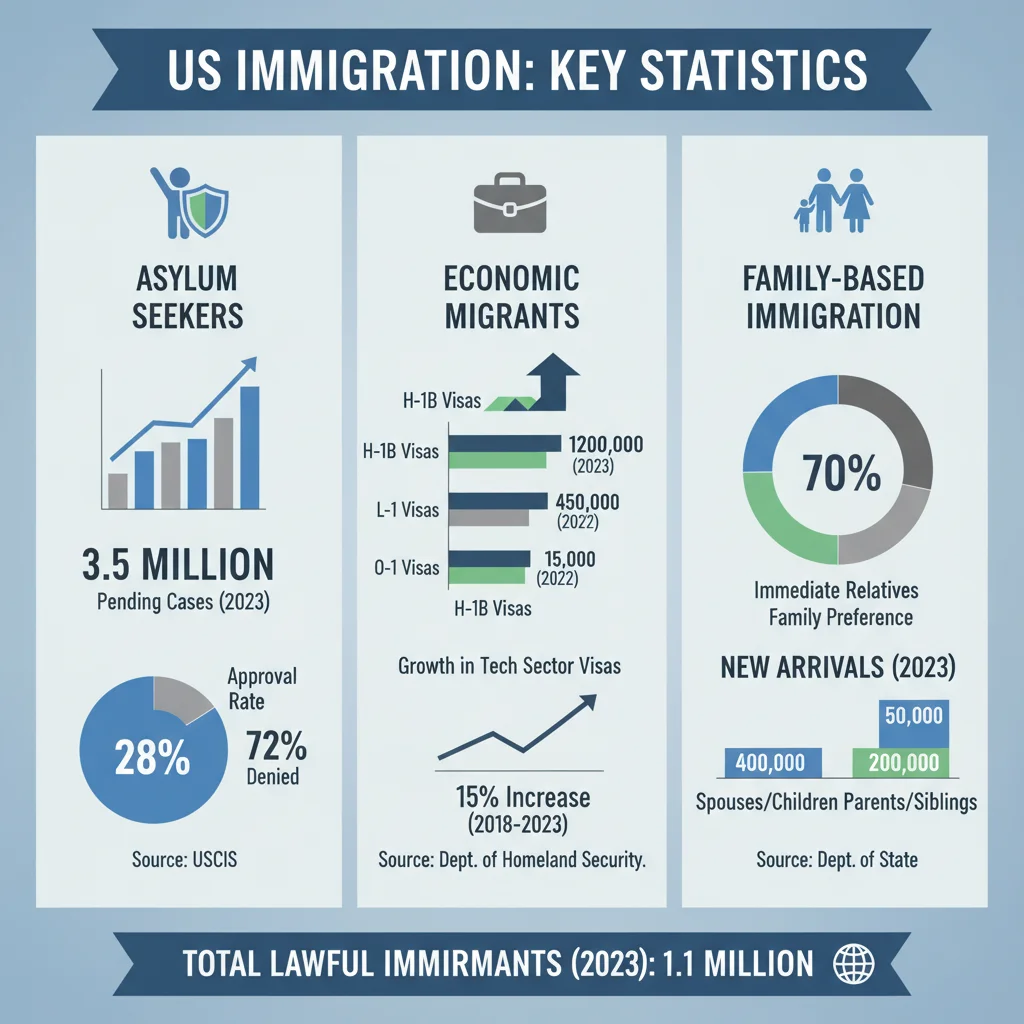
Socioeconomic Impact of Migration in the US (2026)
The socioeconomic impact of migration in the United States is profound and multifaceted, affecting everything from labor markets and economic growth to social cohesion and cultural diversity. In 2026, these impacts will continue to be a central topic of discussion and analysis.
Economic Contributions:
- Labor Market Dynamics: Migrants often fill critical labor gaps, especially in sectors with declining native-born workforces or undesirable jobs. This contributes to economic stability and growth. In 2026, this trend is expected to continue, particularly in agriculture, construction, and certain service industries.
- Entrepreneurship and Innovation: Immigrants have historically shown higher rates of entrepreneurship, starting businesses and creating jobs at a disproportionately high rate. This entrepreneurial spirit is a vital engine of economic dynamism.
- Fiscal Impact: Migrants contribute to the tax base through income, sales, and property taxes. While there are costs associated with providing social services, numerous studies suggest that, over the long term, immigrants are net fiscal contributors.
- Consumer Demand: A growing population, fueled by immigration, translates into increased consumer demand, boosting local economies and supporting various industries.
Social and Cultural Transformations:
- Demographic Shifts: Migration significantly alters the demographic composition of the U.S., contributing to its increasing diversity. This has implications for education, healthcare, and public services.
- Cultural Enrichment: Immigrants bring diverse languages, traditions, cuisines, and perspectives, enriching the cultural tapestry of American society. This cultural exchange can foster innovation and understanding.
- Social Integration Challenges: While beneficial, rapid demographic changes can also lead to challenges in social integration, including issues of language barriers, cultural misunderstandings, and competition for resources, particularly in communities experiencing sudden influxes.
- Impact on Public Services: Migration places demands on public services such as education, healthcare, and housing. Effective policy responses are crucial to ensure these services can adequately meet the needs of all residents.
Challenges and Opportunities:
The socioeconomic impacts are not uniformly positive or negative; they present both significant challenges and opportunities. Challenges often arise from inadequate integration policies, limited resources for host communities, and the exploitation of migrant labor. Opportunities, however, include economic revitalization, demographic rejuvenation, and enhanced global competitiveness.
For 2026, the key will be how US Migration Policy adapts to maximize the positive impacts while mitigating the negative ones. This includes investing in infrastructure, education, and social programs that support successful integration and foster inclusive communities.
Case Studies and Regional Variations
The impact of migration is rarely uniform across the United States. Different regions experience varying migration patterns and socioeconomic effects. For instance, border states face unique challenges related to enforcement and humanitarian aid, while agricultural states rely heavily on seasonal migrant labor. Urban centers often become hubs for diverse immigrant communities, contributing to vibrant cultural landscapes and economic growth.
Examples:
- Southwestern Border States: These states, such as Texas, Arizona, and California, are at the forefront of managing irregular migration flows. They face immense pressure on resources for asylum processing, healthcare, and education, but also benefit from cross-border trade and the labor of immigrant communities.
- Midwestern Agricultural Hubs: States like Iowa and Nebraska often experience labor shortages in the agricultural and meatpacking industries, which are frequently filled by immigrant workers. These communities face the challenge of integrating new populations into existing social structures.
- Major Metropolitan Areas: Cities like New York, Los Angeles, and Chicago continue to be magnets for immigrants from around the world. These cities thrive on diversity, innovation, and the economic contributions of their immigrant populations, though they also grapple with issues of affordable housing and public service provision.
- Rural Revitalization: In some rural areas facing population decline, immigration has been a critical factor in revitalization, bringing new families, businesses, and cultural vibrancy.
Understanding these regional variations is crucial for developing targeted and effective US Migration Policy that addresses specific local needs and leverages regional strengths.

The Role of International Cooperation in US Migration Policy
Migration is inherently a global phenomenon, and no single nation can effectively manage it in isolation. International cooperation plays a critical role in shaping US Migration Policy and its effectiveness. This includes working with origin countries to address root causes of migration, collaborating with transit countries on border management, and engaging with international organizations to set global standards and share best practices.
Key Areas of Cooperation:
- Addressing Root Causes: The U.S. often works with countries in Central America and other regions to invest in economic development, improve governance, and enhance security, aiming to reduce the impetus for irregular migration.
- Regional Migration Management: Collaboration with Mexico and other Latin American countries is crucial for managing regional migration flows, including joint efforts on border security, information sharing, and humanitarian aid.
- Refugee Resettlement Programs: The U.S. participates in international refugee resettlement programs, working with the UNHCR and other bodies to provide safe haven for those fleeing persecution.
- Combating Human Trafficking: International partnerships are vital in the fight against human trafficking and smuggling, which often involve transnational criminal networks.
- Data Sharing and Research: Cooperation on data collection and research helps to better understand migration trends, inform policy development, and improve humanitarian responses.
In 2026, the emphasis on international cooperation is expected to grow, as the interconnectedness of global challenges becomes even more apparent. Effective diplomacy and multilateral engagement will be key to developing sustainable and humane migration solutions.
Future Outlook and Recommendations for US Migration Policy
The future of global migration patterns and US Migration Policy in 2026 is undoubtedly complex and uncertain. However, several overarching themes and recommendations emerge from our analysis.
Key Takeaways for Future Policy:
- Comprehensive Immigration Reform: The need for a holistic and bipartisan approach to immigration reform remains paramount. This includes addressing border security, legal pathways, and integration in a single, coherent framework.
- Humanitarian Approach: Prioritizing human dignity and rights in all aspects of migration policy, particularly concerning asylum seekers and vulnerable populations, is not only ethically imperative but also leads to more effective and sustainable outcomes.
- Data-Driven Policymaking: Relying on robust data and evidence to inform policy decisions, rather than rhetoric, will lead to more effective and efficient responses to migration challenges.
- Investment in Integration: Proactive investment in language education, job training, and community support programs for new arrivals can significantly enhance their economic contributions and social integration, benefiting both migrants and host communities.
- Addressing Root Causes: Continued and enhanced engagement with origin countries to address the underlying drivers of migration, such as poverty, violence, and climate change, is essential for long-term stability.
- Flexibility and Adaptability: Given the dynamic nature of global migration, US Migration Policy must be flexible and adaptable, capable of responding to emergent crises and changing global circumstances.
The year 2026 will be a critical period for the United States to demonstrate leadership and compassion in its approach to migration. The decisions made regarding US Migration Policy will not only shape the lives of millions of individuals but also define America’s role on the global stage.
Conclusion
Global migration patterns in 2026 are poised to be intricate and demanding, shaped by a confluence of geopolitical, economic, and environmental forces. The United States, as a major destination country, faces the complex task of developing and implementing effective US Migration Policy responses that balance national interests with humanitarian responsibilities.
From the ongoing challenges of border management and asylum processing to the immense opportunities presented by immigrant labor and innovation, the socioeconomic impact of migration will continue to be a defining feature of American society. By understanding the drivers of migration, acknowledging historical policy lessons, and adopting forward-looking, comprehensive approaches, the U.S. can navigate these challenges successfully.
Ultimately, the goal is to foster a migration system that is orderly, humane, and beneficial for all – for migrants seeking safety and opportunity, for the communities that welcome them, and for the nation as a whole. The next year will be crucial in setting the stage for how the United States addresses one of the most pressing global issues of its time.
