Global Health Security: US Initiatives for Pandemic Prevention by 2026

Anúncios
Global Health Security: 5 U.S.-Led Initiatives to Prevent Future Pandemics by 2026 (Practical Solutions)
The specter of global pandemics looms large in our collective memory, a stark reminder of the interconnectedness of our world and the fragility of our health systems. The COVID-19 crisis underscored the urgent need for robust Global Health Security frameworks, capable of detecting, preventing, and responding to infectious disease threats before they escalate into global catastrophes. Recognizing this imperative, the United States has launched and supported several ambitious initiatives aimed at bolstering global health defenses and preventing future pandemics by 2026. These efforts are not merely reactive; they represent a proactive, strategic investment in a safer, healthier future for all.
The concept of Global Health Security extends beyond national borders, acknowledging that a threat anywhere is a threat everywhere. It encompasses a wide array of activities, from strengthening public health infrastructure and surveillance systems to developing rapid diagnostic tools and equitable vaccine distribution mechanisms. The goal is to build resilience, foster international collaboration, and ensure that the world is better prepared for the next emergent pathogen. This article will delve into five pivotal U.S.-led initiatives that are at the forefront of this critical mission, offering practical solutions and strategic approaches to safeguard our shared future.
The Urgency of Enhanced Global Health Security
The past few years have undeniably highlighted the profound economic, social, and human costs of inadequate Global Health Security. Beyond the immediate loss of life, pandemics disrupt supply chains, destabilize economies, exacerbate inequalities, and strain healthcare systems to their breaking point. The lessons learned from recent outbreaks, including Ebola, Zika, and most significantly, COVID-19, have galvanized a global commitment to fortify our collective defenses. The U.S., as a global leader in public health and scientific innovation, plays a crucial role in driving this agenda forward. The 2026 timeline is not arbitrary; it reflects an urgent recognition that sustained, coordinated action is required to build lasting resilience against future biological threats.
Anúncios
Effective Global Health Security requires a multi-faceted approach, integrating scientific research, policy development, capacity building, and diplomatic engagement. It demands a shift from crisis response to proactive prevention and preparedness. This involves investing in early warning systems, strengthening laboratory capabilities, training a skilled public health workforce, and ensuring equitable access to medical countermeasures. Without these foundational elements, the world remains vulnerable. The initiatives discussed herein represent strategic pillars in the U.S. strategy to achieve this enhanced state of preparedness, aiming to create a more secure global health landscape within the next few years.
Initiative 1: The Global Health Security Agenda (GHSA) Refresh
The Global Health Security Agenda (GHSA), initially launched in 2014, has been a cornerstone of international efforts to improve pandemic preparedness. Recognizing the evolving nature of global health threats and the insights gained from the COVID-19 pandemic, the U.S. has been a key driver in the GHSA’s refresh, often referred to as GHSA 2024. This renewed focus aims to accelerate progress toward achieving the World Health Organization (WHO) International Health Regulations (IHR) core capacities and to address new challenges. The GHSA is not merely a U.S. initiative, but a collaborative effort involving over 70 countries and international organizations, with the U.S. providing significant leadership, technical expertise, and financial support.
The refreshed GHSA emphasizes several critical areas for strengthening Global Health Security: enhanced surveillance and early warning systems, improved laboratory networks, rapid response capabilities, workforce development, and robust emergency management systems. A key component of the refresh is also fostering greater accountability and transparency among member countries, with regular assessments of progress and identification of gaps. The U.S. commitment to GHSA 2024 involves direct funding, technical assistance from agencies like the CDC and USAID, and diplomatic engagement to encourage other nations to meet their commitments. By strengthening the GHSA, the U.S. aims to build a more interconnected and resilient global network capable of quickly identifying and containing outbreaks, thereby preventing their spread and mitigating their impact.
Anúncios
Practical solutions within the GHSA framework include supporting the establishment of National Public Health Institutes (NPHIs) in partner countries, which serve as central hubs for public health functions, disease surveillance, and outbreak response. The U.S. also invests in training epidemiologists, laboratory technicians, and public health emergency managers through programs like the Field Epidemiology Training Programs (FETP). These programs are crucial for building a skilled workforce capable of frontline response. Furthermore, the GHSA promotes the development of robust data-sharing platforms to facilitate timely information exchange during outbreaks, a lesson powerfully underscored by the COVID-19 pandemic. The objective is to create a global ecosystem where health threats can be rapidly identified, assessed, and responded to, enhancing overall Global Health Security.
Initiative 2: The Coalition for Epidemic Preparedness Innovations (CEPI) Funding and Engagement
The Coalition for Epidemic Preparedness Innovations (CEPI) is a global partnership that plays a pivotal role in accelerating the development of vaccines against emerging infectious diseases. Founded in 2017, CEPI funds and coordinates the development of vaccines for known epidemic threats and prepares for unknown pathogens. The U.S. has significantly increased its commitment to CEPI, recognizing its critical role in pandemic prevention. This initiative is a prime example of proactive investment in scientific solutions to bolster Global Health Security.
The U.S. government’s increased funding for CEPI directly supports the research and development of vaccines for priority pathogens, such as Lassa fever, MERS, and Nipah virus, as well as the platform technologies that can be rapidly adapted for novel viruses (“Disease X”). This strategic investment aims to shorten the vaccine development timeline from years to months, a crucial factor in containing rapidly spreading outbreaks. CEPI’s work also focuses on ensuring equitable access to these vaccines once developed, working to prevent a repeat of the vaccine inequity seen during the early stages of the COVID-19 pandemic. The U.S. engagement with CEPI extends beyond financial contributions; it includes scientific collaboration, sharing of expertise, and advocating for global support for CEPI’s mission.
Practical solutions driven by CEPI, with U.S. backing, include supporting innovative vaccine platforms like mRNA technology, which demonstrated remarkable speed during the COVID-19 response. CEPI also invests in manufacturing capacity building in low- and middle-income countries, aiming to diversify vaccine production and reduce reliance on a few global hubs. This not only enhances vaccine availability but also strengthens local health economies. Furthermore, CEPI facilitates clinical trials and regulatory pathways for new vaccines, streamlining the process from discovery to deployment. By supporting CEPI, the U.S. is directly contributing to a future where the world has a robust arsenal of vaccines ready to deploy against emerging threats, significantly enhancing Global Health Security by 2026 and beyond.
Initiative 3: Strengthening the World Health Organization (WHO) and International Health Regulations (IHR)
The World Health Organization (WHO) serves as the primary international body for coordinating global health efforts. The effectiveness of Global Health Security hinges significantly on a strong, well-resourced WHO and robust implementation of the International Health Regulations (IHR). The U.S. has been a strong advocate for strengthening the WHO’s capacity and reforming the IHR to make them more agile and effective in responding to future pandemics. This involves both financial contributions and diplomatic efforts to foster greater international consensus and compliance.
Post-COVID-19, there has been a global consensus on the need to fortify the IHR, which are the legally binding framework for countries to prevent and respond to public health risks. The U.S. is actively participating in negotiations and discussions to amend the IHR, pushing for greater transparency, faster reporting of outbreaks, and more robust mechanisms for international assistance. This includes advocating for clearer responsibilities for states and the WHO during health emergencies, as well as addressing issues of equity in access to medical countermeasures. A stronger IHR means a more predictable and coordinated global response, which is vital for effective Global Health Security.
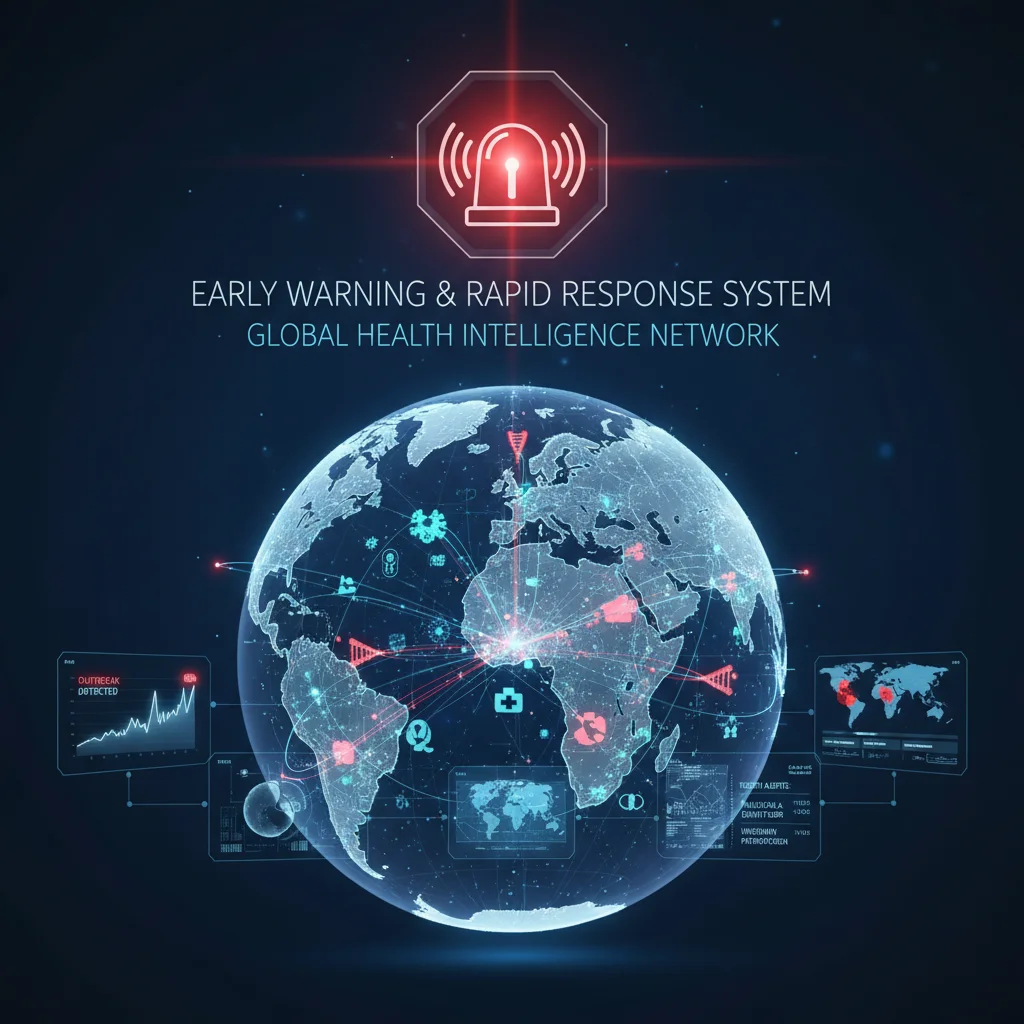
Practical solutions under this initiative include U.S. support for WHO’s early warning systems, such as the Global Outbreak Alert and Response Network (GOARN), which rapidly deploys experts to outbreak sites. The U.S. also contributes to WHO’s emergency operations centers and provides technical expertise for developing national action plans for health security. Furthermore, U.S. diplomatic efforts are focused on encouraging countries to conduct regular Joint External Evaluations (JEEs) of their IHR capacities, identifying gaps and prioritizing investments. By working to strengthen the WHO and the IHR, the U.S. aims to create a more resilient international health architecture, ensuring that the global community is better equipped to prevent and respond to health crises, thereby enhancing Global Health Security significantly by 2026.
Initiative 4: The President’s Emergency Plan for AIDS Relief (PEPFAR)’s Role in Health System Strengthening
While primarily focused on combating HIV/AIDS, the President’s Emergency Plan for AIDS Relief (PEPFAR) has inadvertently become a critical pillar of Global Health Security, particularly in low- and middle-income countries. PEPFAR’s extensive infrastructure, built over nearly two decades, includes robust laboratory networks, trained healthcare workforces, supply chain management systems, and data collection capabilities. These assets are readily adaptable and have proven invaluable in responding to other health threats, including COVID-19 and Ebola.
The U.S. recognizes PEPFAR’s broader utility and is strategically leveraging its existing platforms to enhance overall health system resilience. This involves integrating pandemic preparedness and response components into PEPFAR programming. For instance, PEPFAR-supported laboratories, initially focused on HIV diagnostics, are now being equipped to test for a wider range of pathogens. The supply chain systems, perfected for antiretroviral drugs, are being adapted for the distribution of vaccines, personal protective equipment (PPE), and other essential medical supplies during outbreaks. The trained healthcare workers, from community health workers to specialized clinicians, form a readily available workforce that can be rapidly mobilized during emergencies.
Practical solutions stemming from PEPFAR’s expanded role include strengthening disease surveillance systems by integrating HIV surveillance with general communicable disease surveillance. PEPFAR also supports the training of epidemiologists and public health specialists who can track and respond to outbreaks of various pathogens. Furthermore, its community engagement models, developed to address HIV stigma and promote health-seeking behaviors, are being adapted for public health messaging during other epidemics. By strategically utilizing and expanding PEPFAR’s existing infrastructure, the U.S. is making a cost-effective and highly impactful investment in Global Health Security, ensuring that partner countries have stronger, more adaptable health systems by 2026, capable of responding to diverse health threats.
Initiative 5: Bilateral Partnerships and Capacity Building
Beyond multilateral initiatives, the U.S. actively engages in numerous bilateral partnerships with individual countries to build their specific capacities for Global Health Security. These partnerships are tailored to the unique needs and contexts of each nation, providing targeted technical assistance, training, and resources. These direct engagements are crucial for translating global strategies into tangible improvements at the national and local levels, forming the bedrock of a resilient global health architecture.
These bilateral efforts often involve U.S. agencies like the Centers for Disease Control and Prevention (CDC), the U.S. Agency for International Development (USAID), and the Department of Defense (DoD). For example, the CDC works directly with ministries of health in dozens of countries to strengthen their public health laboratories, improve disease surveillance, and develop emergency operations centers. USAID provides funding and technical support for health system strengthening, including training healthcare workers, improving supply chains, and supporting community health programs. The DoD, through programs like the Cooperative Threat Reduction Program, assists countries in securing dangerous pathogens and enhancing biosafety and biosecurity measures, directly preventing potential outbreaks from accidental or deliberate release.
Practical solutions within these bilateral partnerships include direct technical assistance for developing national pandemic preparedness plans, conducting simulation exercises to test response capabilities, and establishing incident management systems. The U.S. also supports the development of national public health workforces through long-term training programs and mentorship. Furthermore, these partnerships often involve the donation of essential equipment, such as laboratory diagnostic tools, personal protective equipment, and cold chain infrastructure for vaccine storage. By fostering strong bilateral relationships and investing in country-specific capacity building, the U.S. is directly contributing to a more robust and responsive Global Health Security landscape, aiming to have significantly enhanced capabilities in partner countries by 2026, making the world safer from future pandemics.
Challenges and the Path Forward for Global Health Security
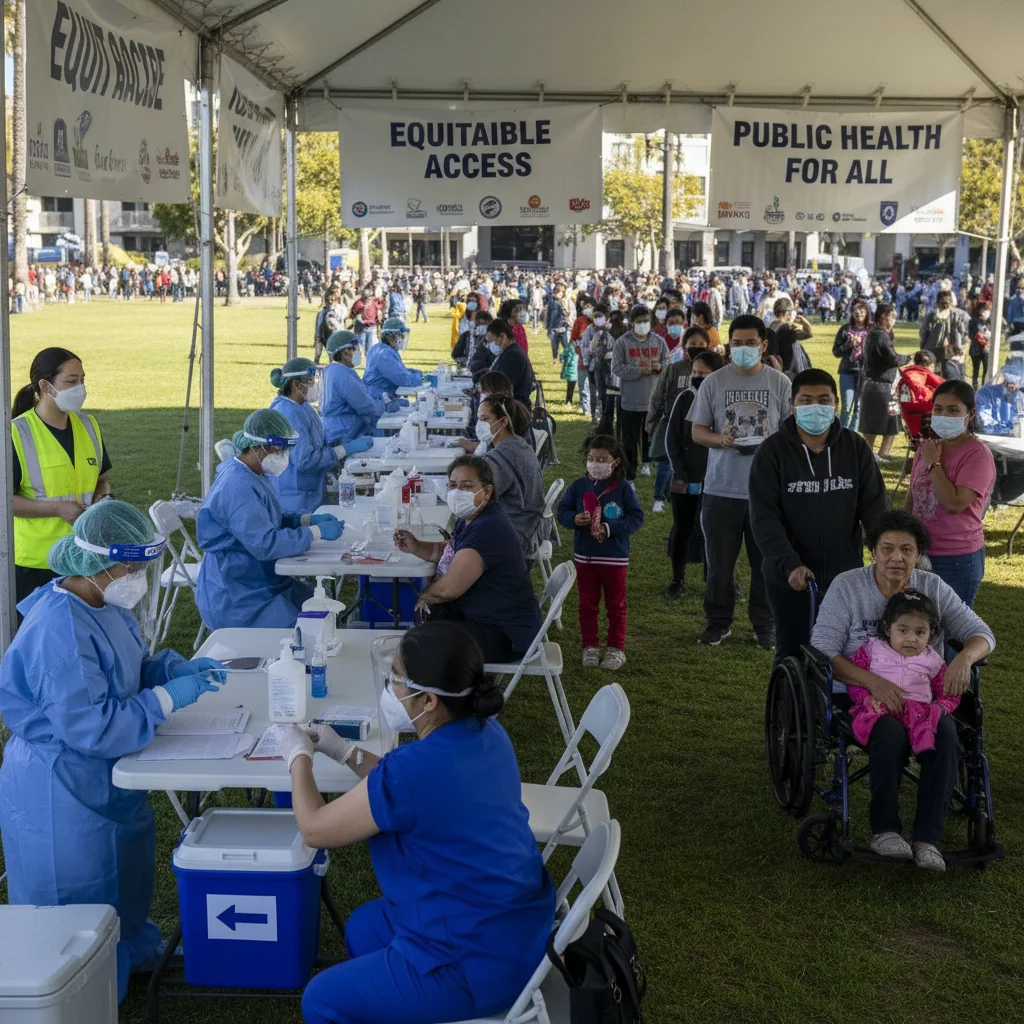
While these U.S.-led initiatives represent significant strides towards enhanced Global Health Security, several challenges remain. One major hurdle is sustained political will and funding. Pandemic preparedness is often seen as a “low-return” investment until a crisis hits, making it difficult to secure consistent resources. Another challenge is addressing health inequities, as vulnerable populations and low-income countries often bear the brunt of outbreaks due to weaker health systems and limited access to resources. Information sharing and transparency remain critical issues, with some nations hesitant to report outbreaks promptly due to economic or political concerns.
The path forward requires continued U.S. leadership and advocacy, coupled with a renewed global commitment to collaboration. It necessitates a “One Health” approach, recognizing the interconnectedness of human, animal, and environmental health in disease emergence. This means investing in zoonotic disease surveillance, addressing antimicrobial resistance, and mitigating climate change, all of which contribute to the risk of future pandemics. Furthermore, innovation in diagnostics, therapeutics, and vaccines must be accelerated, with robust mechanisms for equitable distribution. The goal of preventing future pandemics by 2026 is ambitious but achievable with concerted, coordinated effort.
To overcome these challenges, the U.S. must continue to champion multilateralism, working with international bodies like the WHO, and engaging in robust diplomatic efforts to foster trust and cooperation. Investment in research and development, particularly for platform technologies that can rapidly adapt to new threats, is paramount. Strengthening local manufacturing capabilities for medical countermeasures, especially in low- and middle-income countries, will also be crucial for equitable access. Finally, building public trust and combating misinformation through effective communication strategies are essential components of any successful Global Health Security framework.
Conclusion: A Safer Future Through Proactive Global Health Security
The lessons of recent pandemics are unequivocal: investing in Global Health Security is not an option, but an imperative. The five U.S.-led initiatives – the GHSA Refresh, CEPI funding, strengthening WHO/IHR, leveraging PEPFAR, and robust bilateral partnerships – represent a comprehensive and strategic approach to fortifying global defenses against future biological threats. These efforts are designed to build resilient health systems, foster international collaboration, accelerate scientific innovation, and ensure equitable access to critical resources.
By focusing on these practical solutions and strategic approaches, the U.S. aims to significantly enhance global preparedness and response capabilities by 2026. This ambitious timeline reflects the urgency of the task and the understanding that proactive measures are far more effective and less costly than reactive interventions. The vision for a safer future, free from the devastating impact of global pandemics, hinges on the continued commitment and collective action of nations. Through sustained leadership and investment in Global Health Security, the U.S. is playing a vital role in building a world that is not only better prepared but also more resilient and equitable in the face of emergent health challenges.
The journey towards comprehensive Global Health Security is ongoing, requiring constant vigilance, adaptation, and collaboration. However, with these focused U.S.-led initiatives, coupled with the growing international consensus on their importance, the world is making tangible progress. The goal of preventing future pandemics by 2026 is a beacon of hope, guiding our collective efforts towards a healthier and more secure tomorrow for everyone.
