Edge AI Retail: 10% Cost Savings by 2026 for U.S. Retailers
Anúncios
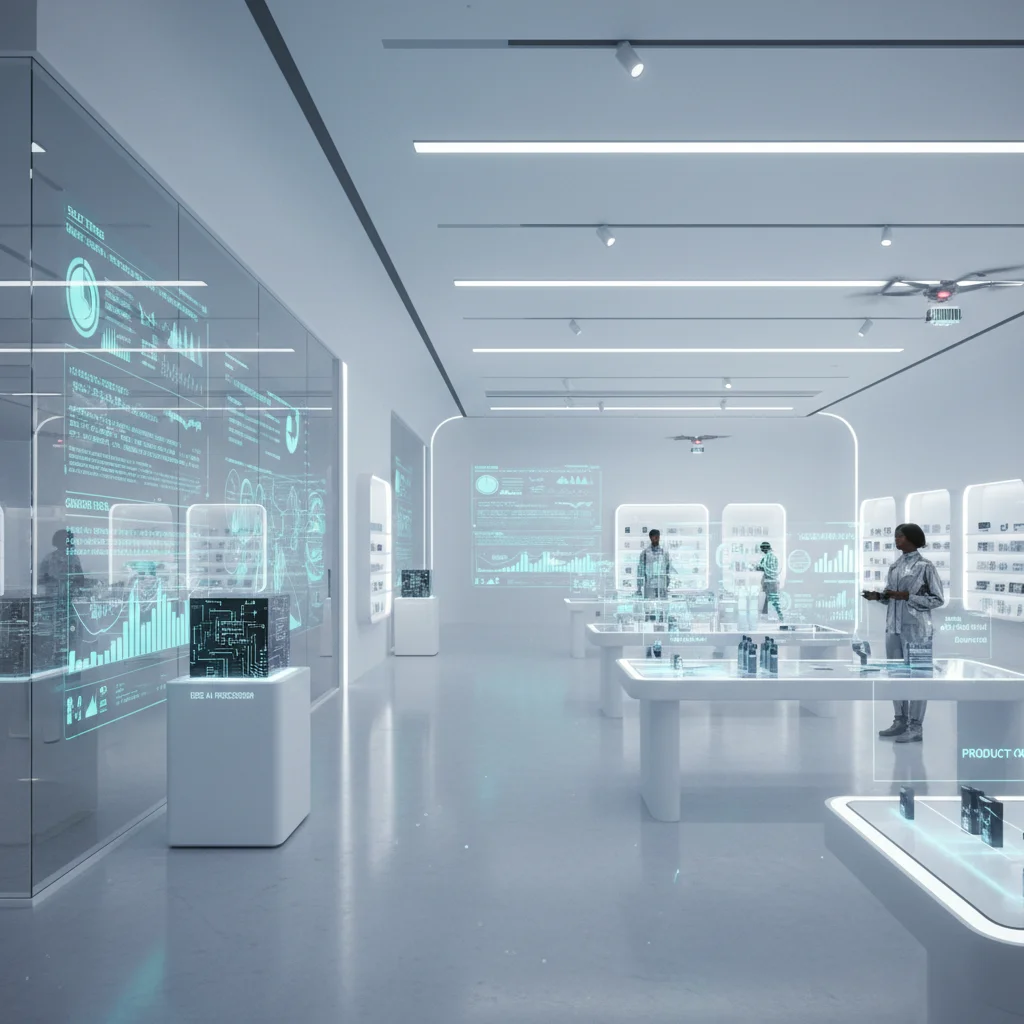
The U.S. retail sector stands on the cusp of a technological revolution, one that promises not just incremental improvements but transformative cost savings and operational efficiency. At the heart of this revolution lies Edge AI, a paradigm shift in how data is processed and utilized. As we look towards 2026, the goal for many forward-thinking U.S. retailers is clear: achieve a substantial 10% reduction in operational costs through the strategic implementation of Edge AI for data processing. This ambitious target is not merely wishful thinking; it is a tangible outcome supported by the inherent advantages of Edge AI, which brings computational power closer to the data source, enabling real-time insights and autonomous decision-making.
The traditional model of sending all data to a centralized cloud for processing often introduces latency, increases bandwidth costs, and raises privacy concerns. In the fast-paced retail environment, where every second counts, these limitations can hinder responsiveness and impact customer experience. Edge AI, however, bypasses these challenges by performing analytics at the ‘edge’ of the network – think smart cameras, IoT sensors, and point-of-sale systems within the store itself. This localized processing capability unlocks a myriad of opportunities for cost reduction, from optimizing inventory management and preventing theft to enhancing personalized marketing and streamlining supply chain logistics. The journey to realizing significant Edge AI Retail Savings is multifaceted, requiring a clear understanding of the technology, strategic planning, and a commitment to innovation.
Understanding Edge AI: The Foundation for Retail Cost Savings
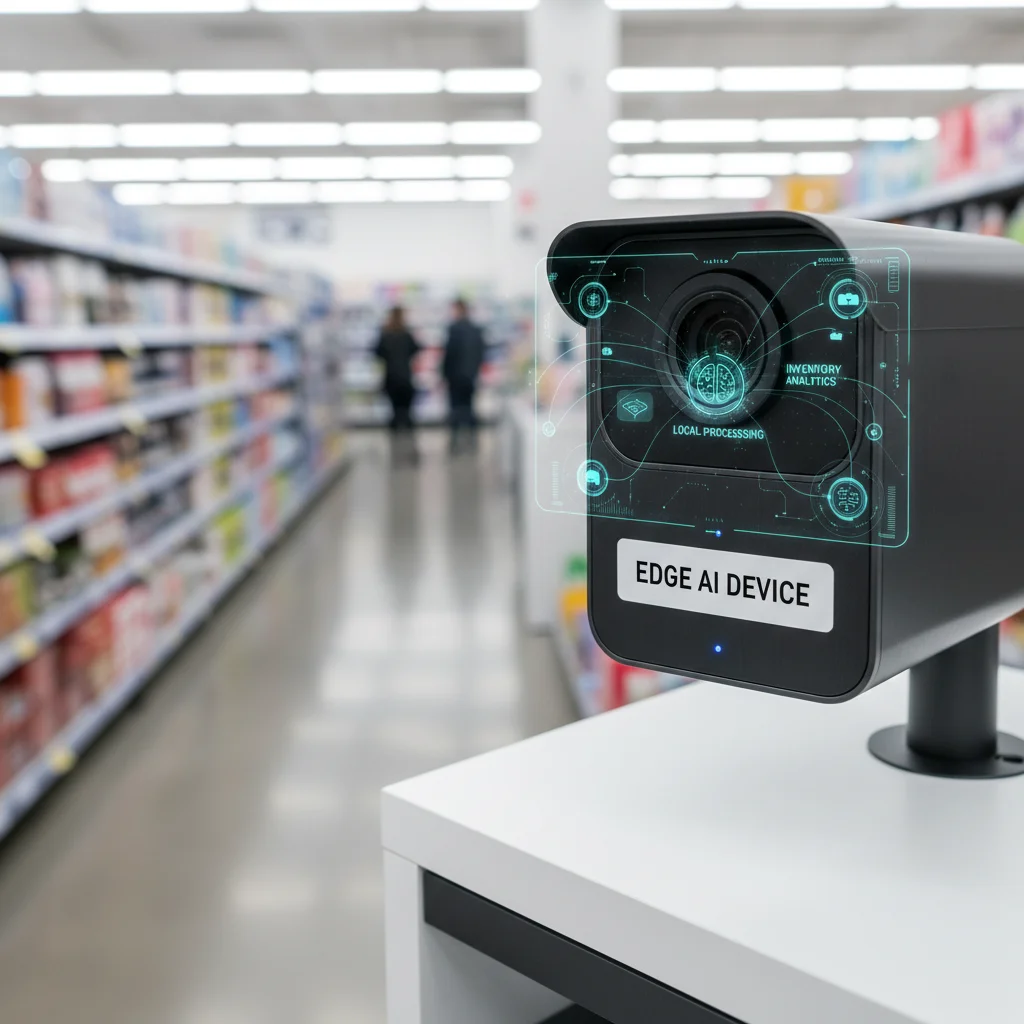
Before diving into the specifics of cost savings, it’s crucial to grasp what Edge AI entails. Edge AI refers to the deployment of artificial intelligence algorithms directly on edge devices rather than relying solely on cloud-based servers. This means that data collection, processing, and analysis occur at or near the source of the data – the ‘edge’ of the network. For a retail store, this could involve AI models running on security cameras, smart shelves, robotic inventory assistants, or even customer-facing kiosks. The primary benefit is speed: data doesn’t need to travel far to be analyzed, leading to near real-time insights and actions. This immediacy is a game-changer for retail operations, where dynamic environments demand instant responses.
The distinction between cloud AI and Edge AI is fundamental to understanding its impact on cost. While cloud AI offers immense computational power and scalability, it comes with associated costs for data transmission, storage, and cloud computing resources. Edge AI, by reducing the reliance on continuous cloud connectivity and extensive data transfers, significantly lowers these overheads. Furthermore, processing data locally enhances data privacy and security, as sensitive information remains within the store’s network, reducing exposure to external threats. These foundational principles of Edge AI are directly linked to the potential for substantial Edge AI Retail Savings, making it an indispensable technology for modern U.S. retailers aiming for a competitive edge and financial efficiency.
Anúncios
The 10% Cost Savings Target: A Realistic Outlook for U.S. Retail by 2026
Achieving a 10% cost reduction across U.S. retail operations by 2026 through Edge AI might seem ambitious, but it is entirely within reach for businesses that strategically embrace this technology. This target is not a single, monolithic saving but rather an aggregation of smaller, yet significant, efficiencies gained across various departments. Consider areas like inventory management, where overstocking and understocking lead to millions in losses annually. Edge AI can predict demand with greater accuracy, optimize stock levels, and even automate reordering, directly cutting down on waste and lost sales opportunities. Similarly, in loss prevention, AI-powered cameras can identify suspicious behavior in real-time, drastically reducing shrinkage.
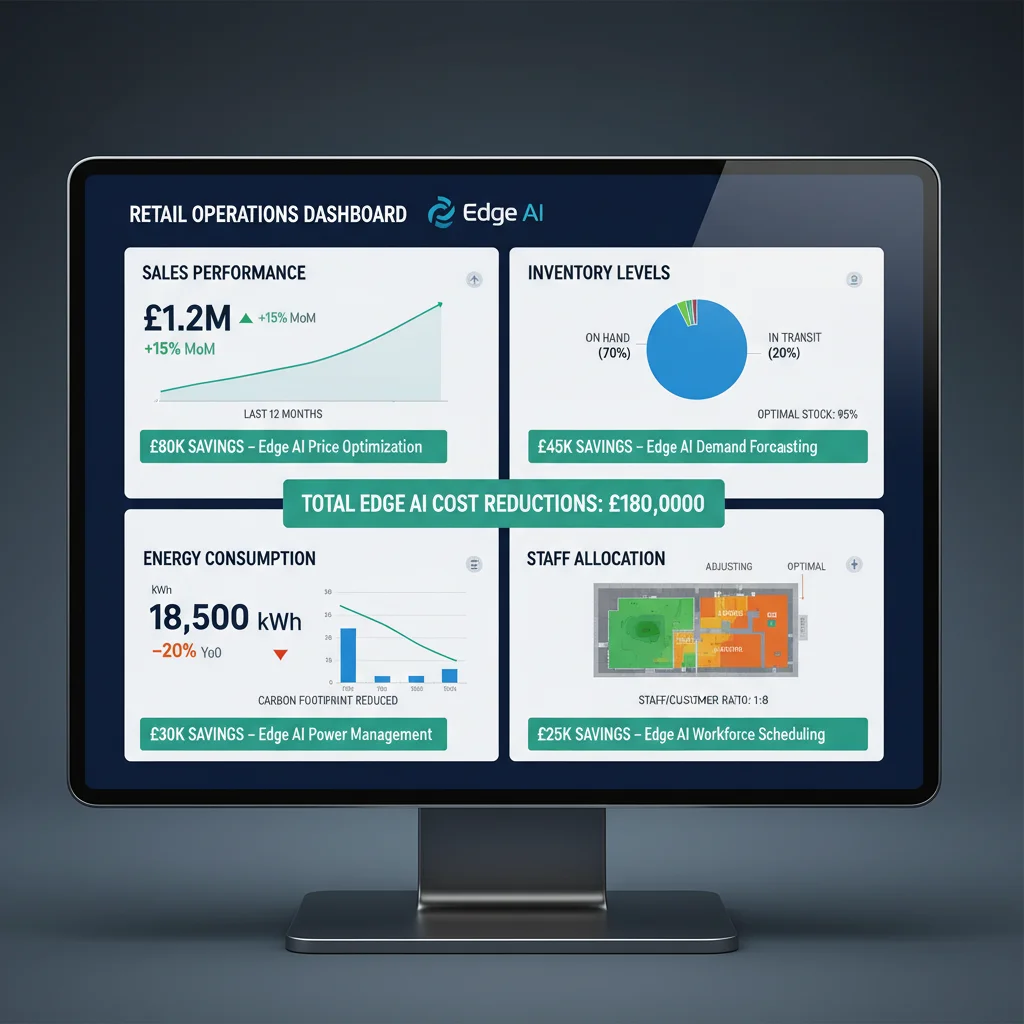
The cumulative effect of these improvements, coupled with enhanced operational visibility and reduced infrastructure costs, forms the basis for the 10% target. By 2026, the maturity of Edge AI technology, combined with increasing adoption rates and a clearer understanding of its ROI, will enable retailers to fine-tune their deployments for maximum financial impact. The initial investment in Edge AI hardware and software will be offset by continuous operational savings, creating a compelling business case for its rapid integration. The focus on Edge AI Retail Savings is not just about cutting expenses; it’s about optimizing every facet of the retail value chain to create a leaner, more agile, and ultimately more profitable enterprise.
Anúncios
Key Areas for Edge AI-Driven Cost Reduction in Retail
1. Optimized Inventory Management and Supply Chain
One of the most significant avenues for Edge AI Retail Savings lies in inventory management. Traditional inventory systems often rely on periodic counts and historical data, leading to inaccuracies and inefficiencies. Edge AI, deployed on smart shelves or through AI-powered robots, can provide real-time, continuous inventory monitoring. This allows retailers to know exactly what’s on shelves, what’s in the backroom, and what’s selling, at any given moment. This precision leads to:
- Reduced Overstocking: Minimized capital tied up in excess inventory, lower storage costs, and decreased risk of obsolescence.
- Eliminated Understocking (Lost Sales): Ensuring popular items are always in stock, preventing lost revenue and customer dissatisfaction.
- Automated Reordering: AI can predict demand patterns with higher accuracy, automating reorder processes and optimizing delivery schedules, leading to more efficient logistics and reduced shipping costs.
- Waste Reduction: Particularly in fresh produce or perishable goods, Edge AI can monitor expiration dates and suggest dynamic pricing strategies to move products before they spoil, significantly reducing waste.
2. Enhanced Loss Prevention and Security
Shrinkage, a combination of theft, administrative errors, and vendor fraud, costs U.S. retailers billions annually. Edge AI offers powerful solutions to combat this issue. AI-powered surveillance cameras can analyze video feeds in real-time, identifying unusual behavior, potential shoplifting attempts, or unauthorized access without sending all footage to the cloud. This immediate detection allows for quicker intervention, significantly reducing losses.
- Real-time Anomaly Detection: AI models can be trained to recognize suspicious movements, loitering, or package tampering, alerting staff instantly.
- Automated Checkout Monitoring: Edge AI can detect errors or fraudulent activities at self-checkout kiosks, preventing ‘walk-offs’ and ensuring all items are scanned correctly.
- Employee Theft Deterrence: By monitoring specific areas, Edge AI can help identify internal theft patterns, a major contributor to shrinkage.
3. Optimized Store Operations and Energy Efficiency
Running a retail store involves numerous operational costs, from staffing to energy consumption. Edge AI can bring intelligence to these areas, driving substantial Edge AI Retail Savings.
- Staff Optimization: AI can analyze foot traffic patterns, queue lengths, and customer service needs to optimize staff scheduling, ensuring adequate coverage during peak hours and reducing overstaffing during slower periods.
- Predictive Maintenance: Edge AI sensors can monitor the performance of HVAC systems, refrigeration units, and other critical equipment, predicting potential failures before they occur. This allows for proactive maintenance, preventing costly breakdowns and extending equipment lifespan.
- Energy Management: AI can intelligently control lighting, heating, and cooling based on occupancy, time of day, and external weather conditions, leading to significant reductions in energy bills.
4. Personalized Customer Experience and Reduced Returns
While not directly a ‘cost’ in the traditional sense, a poor customer experience can lead to lost sales and increased returns, both of which impact profitability. Edge AI can personalize the in-store experience, leading to higher customer satisfaction and loyalty, and indirectly reducing costs.
- Personalized Recommendations: AI can analyze customer behavior in-store (e.g., dwell time in certain aisles, items picked up) to offer real-time, personalized product recommendations via digital signage or mobile apps, increasing conversion rates.
- Improved Product Placement: By understanding how customers interact with store layouts, AI can suggest optimal product placement to maximize sales and minimize browsing friction.
- Reduced Returns: Better product recommendations and clearer information (e.g., via interactive displays powered by AI) can lead to customers making more informed purchasing decisions, thereby reducing the rate of returns, which are costly for retailers to process.
Challenges and Considerations in Implementing Edge AI
While the benefits of Edge AI for U.S. retail are clear, its implementation is not without challenges. Retailers must approach deployment with a clear strategy and an understanding of potential hurdles to maximize Edge AI Retail Savings.
Data Privacy and Compliance
Processing customer data, even locally, raises significant privacy concerns. Retailers must ensure compliance with regulations like CCPA and future data protection laws. Edge AI can help by anonymizing data at the source and processing only necessary information, but robust governance policies are essential.
Integration with Existing Systems
Many retailers operate with legacy systems. Integrating new Edge AI solutions with existing POS, inventory, and CRM platforms can be complex. A phased approach and careful API development are crucial to ensure seamless data flow and avoid disruption.
Hardware and Infrastructure Investment
Deploying Edge AI requires an initial investment in compatible hardware – smart cameras, IoT sensors, Edge gateways, and local processing units. While these costs are offset by long-term savings, retailers need to plan their budgets accordingly and choose scalable solutions that can grow with their needs.
Talent and Expertise
Managing and optimizing Edge AI systems requires specialized skills in AI, data science, and network infrastructure. Retailers may need to invest in training existing staff or hiring new talent to effectively leverage the technology and ensure the continuous realization of Edge AI Retail Savings.
Strategies for Successful Edge AI Implementation and Achieving 10% Savings
To successfully achieve the 10% cost savings target by 2026, U.S. retailers need a well-defined strategy. This isn’t just about adopting technology; it’s about transforming operations and culture.
1. Start Small, Scale Smart
Instead of a massive, store-wide overhaul, begin with pilot programs in specific areas or a few stores. Identify high-impact use cases where Edge AI can deliver immediate, measurable Edge AI Retail Savings, such as loss prevention in a high-shrinkage store or inventory optimization for a particular product category. Learn from these pilots, refine the approach, and then scale across the organization.
2. Prioritize Data Security and Privacy by Design
Integrate data privacy and security considerations from the very beginning of your Edge AI strategy. Choose solutions that offer robust encryption, anonymization capabilities, and adhere to regulatory standards. Transparency with customers about data usage can also build trust and mitigate concerns.
3. Foster a Culture of Innovation and Data Literacy
Successful technology adoption requires buy-in from all levels of the organization. Educate employees on the benefits of Edge AI, provide training on new tools, and encourage a data-driven mindset. Empower store managers and staff to utilize the insights generated by Edge AI to make better operational decisions.
4. Partner with Expert Vendors
Few retailers have all the in-house expertise required for a comprehensive Edge AI deployment. Partnering with specialized AI vendors, system integrators, and cloud providers can accelerate implementation, provide access to cutting-edge technology, and ensure best practices are followed. Look for partners with proven retail experience and a track record of delivering measurable ROI.
5. Continuous Monitoring and Optimization
Edge AI is not a set-it-and-forget-it solution. Continuous monitoring of system performance, data accuracy, and the impact on key performance indicators (KPIs) is essential. Regularly review the effectiveness of your Edge AI applications and make adjustments to algorithms and workflows to ensure you are consistently maximizing Edge AI Retail Savings and achieving your cost reduction targets.
The Future of Retail: Beyond 10% Savings
While the 10% cost savings by 2026 is a significant and achievable milestone, the true potential of Edge AI in U.S. retail extends far beyond immediate expense reduction. As retailers become more adept at leveraging this technology, they will unlock new revenue streams, create highly personalized shopping experiences, and build more resilient and adaptive supply chains. Edge AI will not only make retail operations more efficient but also more intelligent, intuitive, and customer-centric.
Imagine stores that dynamically reconfigure themselves based on real-time foot traffic and purchasing patterns, or supply chains that autonomously adjust to disruptions before they impact availability. These are not distant futuristic concepts but tangible applications that Edge AI is making possible. The initial focus on Edge AI Retail Savings is a critical first step, demonstrating the immediate financial benefits and building the foundation for a truly transformed retail landscape. By embracing Edge AI now, U.S. retailers are not just preparing for the future; they are actively shaping it, ensuring their long-term viability and success in an increasingly competitive market.
Conclusion: A Smart Investment for a Leaner Retail Future
The imperative for U.S. retailers to achieve significant cost savings is stronger than ever, driven by evolving consumer expectations, inflationary pressures, and intense competition. Edge AI presents a powerful, proven pathway to meet this challenge head-on. By bringing advanced data processing and artificial intelligence capabilities directly to the store floor, retailers can unlock unprecedented efficiencies across inventory, loss prevention, operations, and customer experience.
The target of 10% cost savings by 2026 through the implementation of Edge AI for data processing is not merely an aspiration but a strategic imperative that is both realistic and achievable. It requires a clear vision, a phased implementation approach, and a commitment to innovation. Retailers who proactively invest in Edge AI will not only realize substantial Edge AI Retail Savings but will also position themselves as leaders in a rapidly evolving industry, ready to deliver superior value to both their shareholders and their customers. The future of U.S. retail is intelligent, interconnected, and at the edge.
