Eco-Friendly Home Design 2026: 6 Innovative Green Building Materials
Anúncios
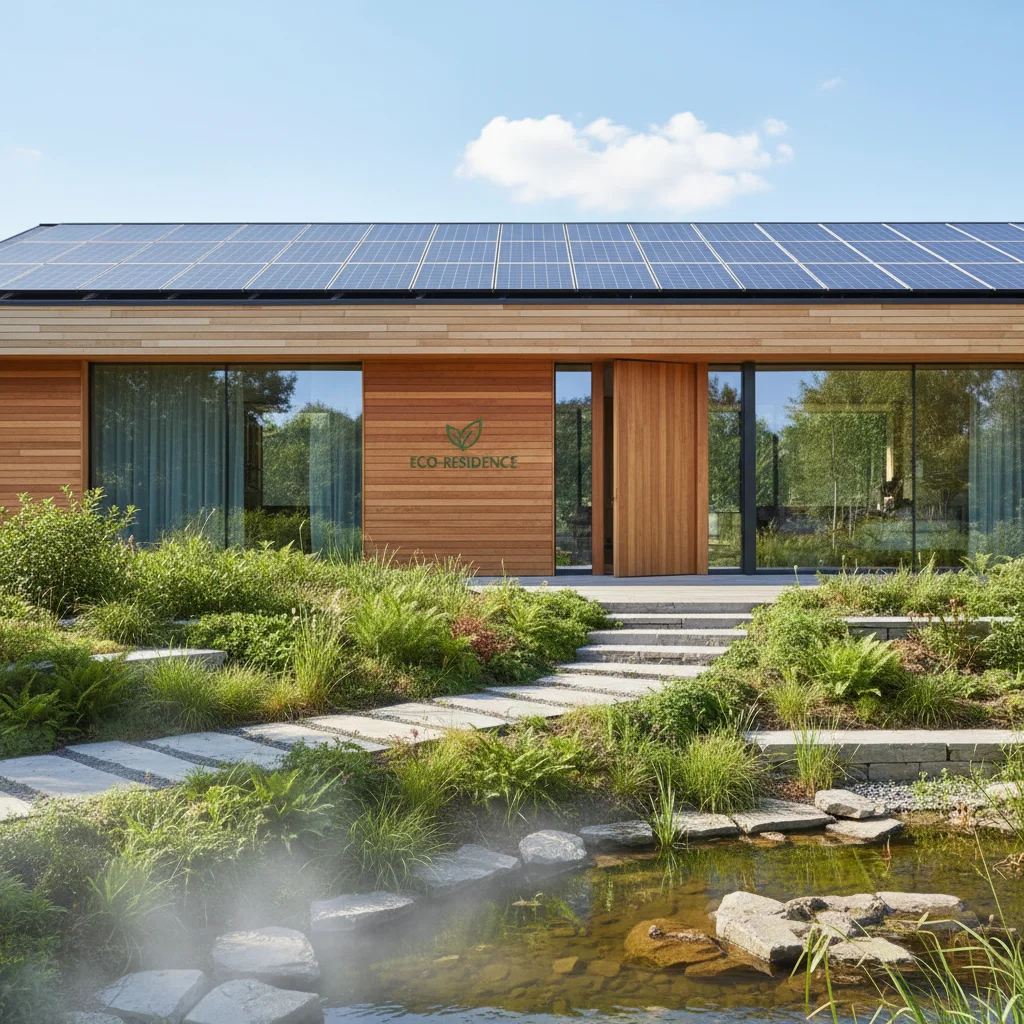
The dawn of 2026 heralds a new era in home construction, one where sustainability isn’t just a buzzword but a foundational principle. As environmental consciousness grows and the impacts of climate change become more apparent, the demand for eco-friendly home design is skyrocketing. Homeowners, builders, and architects alike are seeking innovative solutions that reduce carbon footprints, enhance energy efficiency, and create healthier living environments. This shift is not merely about aesthetics; it’s about a profound re-evaluation of how we build, what we build with, and the long-term impact of our choices on the planet and our well-being.
For decades, traditional construction methods have relied heavily on resource-intensive materials and practices that contribute significantly to environmental degradation. From deforestation to excessive energy consumption and waste generation, the industry has long been ripe for disruption. Fortunately, a wave of groundbreaking materials and techniques is emerging, promising to revolutionize the way we approach eco-friendly home design. These innovations are not only sustainable but also offer superior performance, durability, and often, a unique aesthetic appeal that sets them apart.
In this comprehensive guide, we’ll delve into the exciting world of green building for 2026. We’ll explore six innovative materials that are poised to transform US homes, making them not just greener, but smarter, more resilient, and ultimately, better places to live. This isn’t just a glimpse into the future; it’s an insider’s look at the present trends shaping tomorrow’s sustainable architecture. Understanding these materials is crucial for anyone looking to build, renovate, or simply appreciate the advancements in sustainable living. Let’s embark on this journey to discover the future of eco-friendly home design.
Anúncios
The Imperative for Eco-Friendly Home Design
Why the sudden urgency for eco-friendly home design? The reasons are multifaceted and compelling. Buildings account for a significant portion of global energy consumption, greenhouse gas emissions, and waste generation. From the extraction of raw materials to manufacturing, transportation, construction, and eventual demolition, the lifecycle of a building has a substantial environmental footprint. As populations grow and urbanization continues, the demand for new housing intensifies, exacerbating these issues.
Beyond the environmental impact, there’s a growing awareness of the health implications of traditional building materials. Volatile Organic Compounds (VOCs) found in paints, adhesives, and conventional insulation can compromise indoor air quality, leading to respiratory problems, allergies, and other health issues. Eco-friendly home design, by contrast, prioritizes non-toxic, natural materials that contribute to a healthier indoor environment, often referred to as ‘sick building syndrome’ prevention.
Moreover, the economic benefits of going green are becoming increasingly clear. Energy-efficient homes lead to lower utility bills, a significant incentive for homeowners. Sustainable materials often boast longer lifespans and require less maintenance, translating to long-term savings. Government incentives, tax credits, and certifications (like LEED or Passive House) further sweeten the deal, making green building an attractive financial proposition. The market value of eco-friendly homes is also on the rise, reflecting a growing consumer preference for sustainable properties. This combination of environmental responsibility, health benefits, and economic advantages makes the shift towards eco-friendly home design not just desirable, but essential.
Anúncios
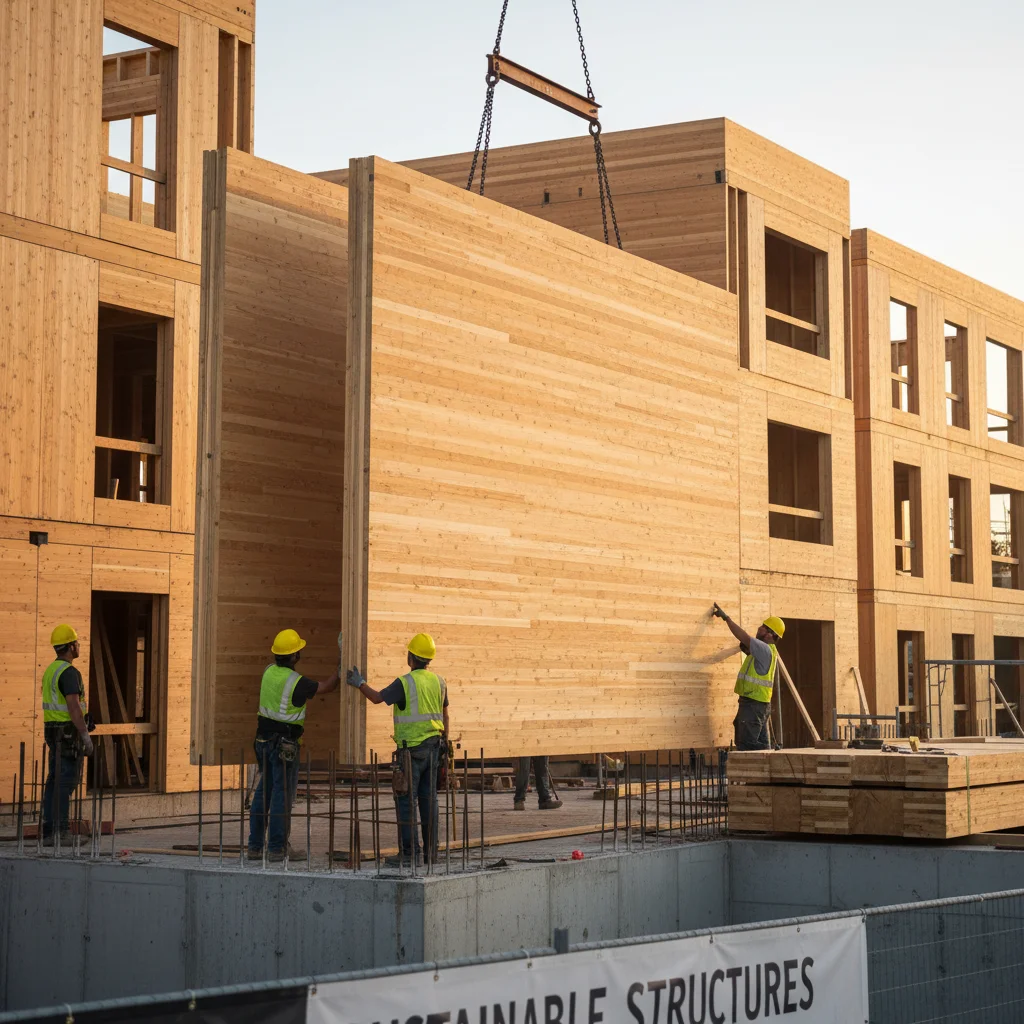
1. Cross-Laminated Timber (CLT): The Wooden Revolution
Cross-Laminated Timber (CLT) is rapidly gaining traction as a revolutionary material in eco-friendly home design. It’s an engineered wood product made by gluing together layers of solid-sawn lumber, with each layer oriented perpendicular to the next. This cross-lamination process gives CLT exceptional strength, rigidity, and dimensional stability, making it comparable to concrete and steel in structural applications, but with a significantly smaller environmental footprint.
Benefits of CLT in Sustainable Construction:
- Renewable Resource: Wood is a renewable resource, especially when sourced from sustainably managed forests. CLT production sequesters carbon, effectively locking it away within the building structure for its entire lifespan, which is a massive advantage in combating climate change.
- Reduced Construction Time: CLT panels are prefabricated off-site to precise specifications, leading to faster assembly on-site. This reduces labor costs, construction waste, and disruption to surrounding areas.
- Lightweight yet Strong: Despite its strength, CLT is considerably lighter than concrete, which can reduce foundation requirements and transportation costs.
- Thermal Performance: Wood inherently possesses good thermal insulation properties, contributing to improved energy efficiency in buildings. CLT structures can help maintain stable indoor temperatures, reducing heating and cooling demands.
- Aesthetics and Biophilia: The natural warmth and beauty of exposed timber can create inviting and calming interior spaces, aligning with biophilic design principles that connect occupants with nature.
- Fire Resistance: Contrary to popular belief, large timber sections like CLT perform well in fires. They char on the outside, forming an insulating layer that protects the inner wood, allowing the structure to maintain its integrity longer than unprotected steel.
CLT is ideal for multi-story residential buildings, single-family homes, and even commercial structures. Its versatility and sustainability profile make it a cornerstone of modern eco-friendly home design, offering a viable alternative to more carbon-intensive materials. As manufacturing processes become more efficient and supply chains mature, CLT is expected to become an even more ubiquitous presence in sustainable construction.
2. Mycelium-Based Materials: Growing Your Home
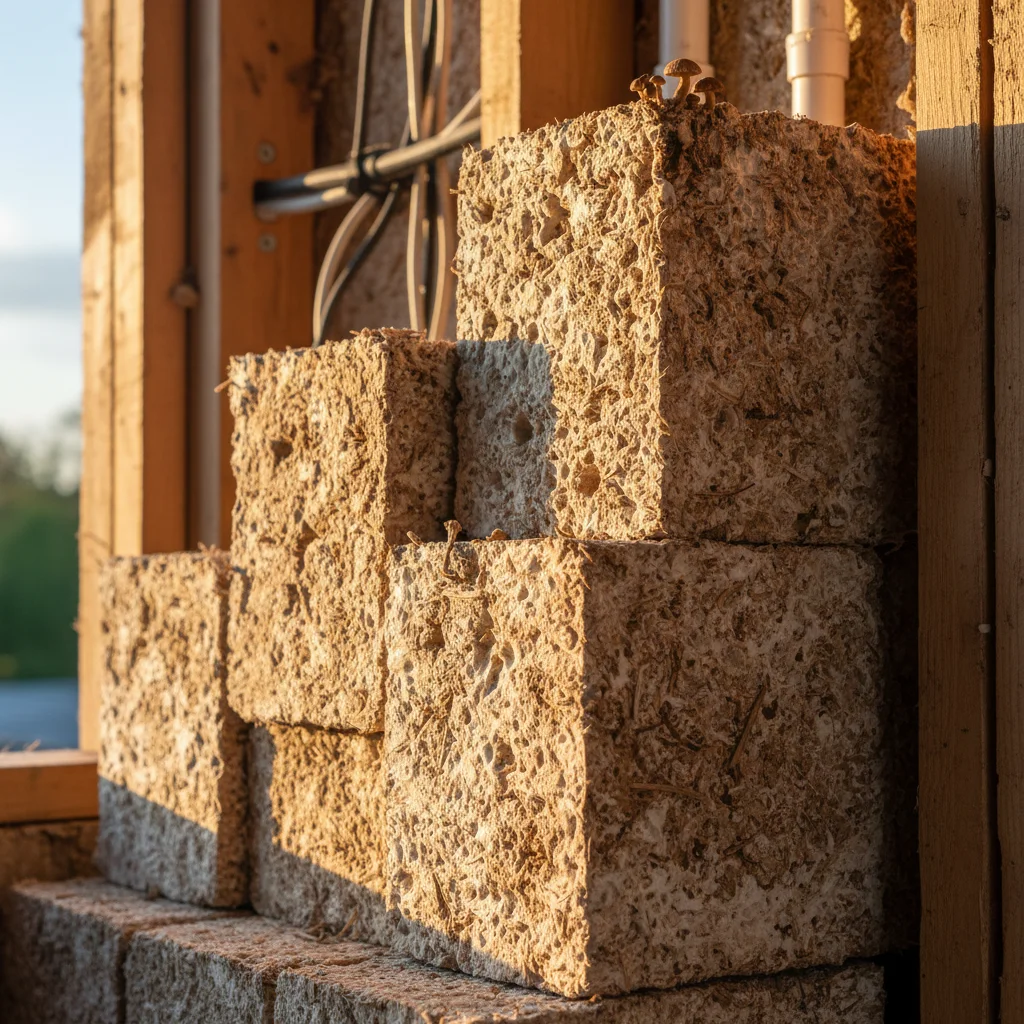
Perhaps one of the most futuristic yet grounded innovations in eco-friendly home design is the advent of mycelium-based materials. Mycelium is the root structure of fungi, a vast network of fine, white threads that grow rapidly and can bind together organic waste products like agricultural byproducts (e.g., sawdust, corn stalks, hemp husks) into strong, lightweight, and biodegradable composites. Think of it as nature’s own 3D printer.
The Green Credentials of Mycelium:
- Ultra-Sustainable Sourcing: Mycelium grows on agricultural waste, turning what would otherwise be discarded into valuable building materials. This closed-loop system dramatically reduces waste and reliance on virgin resources.
- Low Energy Production: The growth process for mycelium-based materials requires minimal energy and no harsh chemicals, a stark contrast to energy-intensive manufacturing of traditional materials like concrete or plastics.
- Excellent Insulation: Mycelium composites are naturally porous, making them exceptional insulators. They can significantly improve a home’s thermal performance, leading to substantial energy savings.
- Biodegradable: At the end of their life cycle, mycelium materials can be composted, returning nutrients to the earth without contributing to landfill waste. This cradle-to-cradle approach is a hallmark of true sustainability.
- Fire Retardant: Many mycelium composites exhibit natural fire-resistant properties, adding an extra layer of safety to homes.
- Sound Absorption: Their porous structure also makes them effective at absorbing sound, contributing to quieter and more comfortable indoor environments.
Currently, mycelium is being developed for insulation panels, acoustic tiles, and even structural components. Companies are exploring its potential for creating bricks, packaging, and furniture. As research advances, mycelium will undoubtedly play an increasingly vital role in pushing the boundaries of eco-friendly home design, offering a truly regenerative approach to construction.
3. Recycled Steel and Aluminum: Circular Economy Champions
While not new materials, the increasing adoption and innovation in using recycled steel and aluminum are making them crucial players in modern eco-friendly home design. The environmental impact of producing virgin steel and aluminum is immense, involving significant energy consumption and greenhouse gas emissions. However, recycling these metals drastically reduces their footprint, making them highly sustainable choices.
Why Recycled Metals are Key to Green Building:
- Significant Energy Savings: Recycling steel saves up to 75% of the energy needed to produce new steel, while recycling aluminum saves a staggering 95% of the energy required for primary production. This directly translates to reduced carbon emissions.
- Durability and Longevity: Both steel and aluminum are incredibly durable, strong, and long-lasting materials. They are resistant to pests, rot, and fire, ensuring the structural integrity and longevity of a home.
- Infinite Recyclability: Steel and aluminum can be recycled repeatedly without losing their intrinsic properties. This makes them perfect examples of materials that support a circular economy, where resources are kept in use for as long as possible.
- Versatility: Recycled steel is used extensively for structural framing, roofing, and siding. Recycled aluminum is popular for window frames, doors, and decorative elements due to its lightweight nature and corrosion resistance.
- Reduced Waste: Utilizing recycled content diverts waste from landfills and reduces the need for mining new raw materials, lessening habitat destruction and pollution associated with extraction.
The commitment to using high percentages of recycled content in these metals is a testament to their role in truly sustainable construction. Architects and builders increasingly specify recycled steel and aluminum to meet green building certifications and to ensure their projects align with the principles of eco-friendly home design.
4. Hempcrete: A Breathable, Carbon-Negative Alternative
Hempcrete, a bio-composite material made from the woody inner core of the hemp plant (hemp hurds) mixed with a lime-based binder and water, is emerging as a star in the realm of eco-friendly home design. It’s not a direct structural replacement for concrete but is used as an insulating infill material for walls, floors, and roofs, offering a host of environmental and performance benefits.
Advantages of Hempcrete in Green Construction:
- Carbon Negative: Hemp plants rapidly absorb CO2 from the atmosphere as they grow. When used in hempcrete, this carbon remains sequestered within the building material for decades, making it a carbon-negative solution.
- Exceptional Thermal Performance: Hempcrete boasts excellent thermal mass and insulation properties. It regulates indoor temperatures naturally, reducing the need for active heating and cooling systems and significantly lowering energy consumption.
- Breathability and Moisture Regulation: Its porous nature allows hempcrete walls to ‘breathe,’ regulating indoor humidity levels and preventing condensation, which in turn inhibits mold growth and creates a healthier indoor environment.
- Non-Toxic and Healthy: Hempcrete is free from VOCs and other harmful chemicals, contributing to superior indoor air quality.
- Fire Resistant: The lime binder makes hempcrete highly fire-resistant, providing a safer home environment.
- Pest and Fungus Resistant: The alkalinity of the lime deters rodents, insects, and fungi, contributing to the material’s longevity and low maintenance.
As regulations around industrial hemp cultivation relax in the US, the availability and cost-effectiveness of hempcrete are improving, making it an increasingly attractive option for those committed to truly sustainable and healthy eco-friendly home design.
5. Aerogel: The Ultimate Insulator
Originally developed for space exploration, aerogel is now making its way into mainstream construction as a super-insulating material for eco-friendly home design. Often referred to as ‘frozen smoke,’ aerogel is one of the lightest solid materials known, composed of up to 99.8% air. Its incredibly porous structure makes it an unparalleled thermal insulator.
Why Aerogel is a Game-Changer for Energy Efficiency:
- Unmatched Thermal Performance: Aerogel has the lowest thermal conductivity of any known solid material. This means that even a thin layer can provide superior insulation compared to much thicker traditional materials, making it ideal for tight spaces or challenging retrofit projects.
- Space Saving: Its exceptional insulating power means less material is needed to achieve desired R-values, allowing for thinner walls and more usable interior space.
- Lightweight: Its extremely low density reduces the load on structures and simplifies handling and installation.
- Hydrophobic Variants: Some aerogel products are hydrophobic, meaning they repel water. This feature is crucial for preventing moisture damage and maintaining insulation performance in humid environments.
- Durability: Aerogel is stable over a wide range of temperatures and can withstand harsh conditions, contributing to the longevity of the building envelope.
While still more expensive than conventional insulation, the long-term energy savings and performance benefits of aerogel are driving its adoption in high-performance green buildings. It’s particularly useful for insulating around windows, in thin wall assemblies, or in areas where conventional insulation would be too bulky, pushing the boundaries of what’s possible in energy-efficient eco-friendly home design.
6. Self-Healing Concrete: Longevity and Reduced Maintenance
Concrete is a ubiquitous building material, but its production is notoriously carbon-intensive, and it’s prone to cracking, which can lead to structural degradation and costly repairs. Enter self-healing concrete, an innovative solution poised to enhance the sustainability and longevity of buildings. This material incorporates microorganisms (typically bacteria) that, when exposed to water and oxygen through cracks, produce limestone to autonomously repair the damage.
The Sustainable Impact of Self-Healing Concrete:
- Extended Lifespan: By autonomously repairing cracks, self-healing concrete significantly extends the service life of concrete structures, reducing the need for costly and resource-intensive repairs or premature replacement.
- Reduced Maintenance Costs: Fewer repairs mean lower maintenance costs over the lifetime of the structure, providing economic benefits for homeowners and developers.
- Enhanced Durability and Resilience: Self-healing properties make concrete more resilient to environmental stressors, such as freeze-thaw cycles and chemical attacks, improving the overall durability of the building.
- Reduced Carbon Footprint: Extending the lifespan of concrete structures indirectly reduces their overall carbon footprint. Fewer repairs mean less material production, transportation, and construction activity, all of which consume energy and emit greenhouse gases.
- Improved Water Resistance: By sealing cracks, self-healing concrete prevents water ingress, which is a major cause of rebar corrosion and structural failure in conventional concrete.
While still in developmental stages for widespread commercial use, self-healing concrete represents a significant leap forward in making one of the world’s most common building materials more sustainable. Its potential to create more durable, lower-maintenance infrastructure and homes will be transformative for eco-friendly home design in the coming years.
Integrating These Materials into Your Eco-Friendly Home Design
The beauty of these innovative materials is that they can often be integrated into a holistic eco-friendly home design strategy. It’s rarely about choosing one material over another, but rather understanding their unique strengths and applying them where they can have the most impact. For instance, a home might feature a CLT structural frame, insulated with a combination of hempcrete and aerogel in critical areas, with mycelium acoustic panels, and a foundation poured with self-healing concrete. Recycled steel and aluminum can then be used for roofing, window frames, and other architectural details.
Key Considerations for Implementation:
- Local Availability and Supply Chains: While many of these materials are gaining traction, their availability can vary by region. Researching local suppliers and builders experienced with these materials is crucial.
- Cost vs. Long-Term Value: Some innovative materials may have higher upfront costs. However, it’s essential to consider the long-term savings in energy bills, maintenance, and the enhanced durability and health benefits they provide.
- Building Codes and Regulations: Ensure that your chosen materials and construction methods comply with local building codes. As these materials become more common, codes are adapting, but it’s always wise to consult with professionals.
- Integrated Design Approach: The most successful eco-friendly home design projects adopt an integrated design approach, where architects, engineers, and builders collaborate from the outset to optimize material choices, energy performance, and overall sustainability.
- Passive Design Principles: Remember that even the best materials are enhanced by good passive design. Orienting the home to maximize natural light and ventilation, incorporating shading strategies, and designing for thermal mass can significantly reduce the need for active heating and cooling.
The convergence of these innovative materials with smart home technology, renewable energy systems (like solar and geothermal), and rainwater harvesting systems will define the next generation of truly sustainable homes. The goal is not just to build green, but to build intelligently, creating homes that are resilient, regenerative, and deeply connected to their environment.
The Future is Green: Embracing Eco-Friendly Home Design
The landscape of home construction is undergoing a profound transformation, driven by a collective desire for sustainability, health, and efficiency. The six innovative materials discussed – Cross-Laminated Timber, Mycelium-Based Materials, Recycled Steel and Aluminum, Hempcrete, Aerogel, and Self-Healing Concrete – represent just a fraction of the incredible advancements being made in eco-friendly home design.
These materials offer tangible solutions to some of the most pressing environmental challenges facing our planet. They reduce carbon emissions, conserve natural resources, minimize waste, and create healthier indoor environments. More than just building blocks, they are symbols of a paradigm shift towards a more responsible and regenerative approach to living.
For homeowners considering a new build or a major renovation, exploring these options is not just an investment in their property, but an investment in a sustainable future. For industry professionals, staying abreast of these innovations is critical to remaining competitive and contributing positively to the built environment. As we move further into 2026 and beyond, the adoption of these and other green building materials will undoubtedly accelerate, making eco-friendly home design the new standard, not just an aspiration.
Embracing these innovations means building homes that are not only beautiful and functional but also kind to the earth and beneficial for their occupants. The future of housing is green, and it’s being built, quite literally, with these remarkable materials.
