The Nexus Effect: How Cultural Spotlights Reshape Global Affairs
Anúncios
When a new song tops the charts in dozens of countries simultaneously, it feels like simple entertainment. But what if that hit single, or the viral dance it inspires, carries more diplomatic weight than a formal treaty? We often view global affairs through the traditional lenses of politics, economics, and military power. This perspective misses the most dynamic and increasingly influential force shaping international relations today: culture.
This phenomenon, often termed “soft power,” is the ability of a nation to persuade and attract through its inherent appeal rather than through coercion. In an era of instant digital communication, this influence is no longer limited to Hollywood blockbusters or classic literature. It now flows through TikTok trends, culinary crazes, sustainable lifestyle choices, and global social movements. Technology has become the great accelerator, taking local expressions and broadcasting them onto the world stage, creating shared experiences and shaping perceptions at an exceptional speed.
This article explores the intricate nexus where culture, technology, and global affairs collide. We will examine how tech innovations are rewiring the circuits of cultural diffusion, analyze the ways everyday lifestyle trends act as surprisingly accurate predictors of geopolitical shifts, and dive into compelling case studies—from the global dominance of K-Pop to the unifying power of climate activism. By understanding these undercurrents, we can better navigate the new global landscape where influence is earned not just in summits, but in hearts and minds.
Understanding the Interplay: Culture as a Global Force
When we think about global affairs, our minds often jump to treaties, trade deals, and political summits. What often gets overlooked is the immense influence of culture—the movies we watch, the music we stream, and the foods we crave. This “soft power” is a country’s ability to persuade others through attraction and appeal rather than coercion, shaping international perception in surprisingly effective ways. It’s less like a formal negotiation and more like building a friendship based on shared interests.
South Korea’s cultural wave, or Hallyu, is a perfect case study. For decades, the nation has strategically exported its pop music (K-pop), television dramas, and films. According to the Korea Creative Content Agency, this strategy has had a measurable economic impact, with cultural content exports consistently surpassing billions of dollars annually. But does a popular song or a hit TV show really change diplomatic tides? The data suggests it creates a powerful foundation of goodwill and familiarity.
Anúncios
This isn’t just about entertainment. It’s about building a brand on the world stage. The positive feelings generated by cultural exports can make a nation seem more like an ally and a desirable partner. This entire process highlights the complex dynamics of our interconnected world, where a viral TikTok dance can, indirectly, have as much impact as a diplomat’s speech.
Ultimately, these cultural spotlights in global affairs demonstrate that influence is no longer monopolized by governments. The creative expressions of a nation—from fashion to technology—are now at the forefront of shaping how countries relate to one another, creating a more nuanced and unpredictable landscape.
Tech Innovations: Accelerating Cultural Diffusion and Global Discourse
Technology has fundamentally rewired the circuits of cultural exchange. Digital platforms act as powerful amplifiers, taking a local trend—be it a song, a political meme, or a social justice movement—and broadcasting it globally in a matter of hours. This isn’t just about sharing cat videos; it’s about the rapid formation of global conversations and shared identities. The speed is staggering.
Anúncios
What once took years of slow-burn diffusion through trade, migration, or traditional media now happens almost instantly, creating what some experts call “flash cultures.” These are temporary, intense moments of global shared experience. The data suggests—though not conclusively—that the lifespan of these trends is also shortening as the volume increases.
The Digital Bridge: Connecting Cultures Instantly
Social media platforms are the primary engines of this acceleration. A study by Cornell University found that a hashtag can reach over 100 countries within its first 24 hours if it taps into a universally understood emotion or idea. Think of it like a digital nervous system for the planet. A musician in Seoul can release a song, and within a day, fans in Brazil are choreographing dances to it, while commentators in London analyze its geopolitical undertones. This direct, unfiltered connection bypasses traditional gatekeepers.
This creates an environment where the interplay between culture and technology directly influences public opinion and even foreign policy. But is this instant connection always constructive? The very same channels that spread art and solidarity can also be used to spread disinformation with equal efficiency. It’s a messy, chaotic, and deeply human system.
Challenges and Opportunities: A Comparative Look
This accelerated diffusion presents a classic double-edged sword. On one hand, it democratizes influence and gives a voice to marginalized communities. On the other, it creates an environment ripe for misunderstanding and manipulation.
Opportunity: Amplified Voices and Digital Diplomacy
Digital tools allow social movements and cultural creators to bypass state-controlled media, presenting their perspectives directly to a global audience. This has been instrumental for activists seeking international support and has even given rise to a new form of “digital diplomacy,” where official and unofficial actors shape foreign perceptions online. The ability for ordinary citizens to participate in the dynamics of our interconnected world has never been greater.
Challenge: Misinformation and Context Collapse
The speed of social media often strips cultural products of their original context. A sacred ritual can become a viral dance challenge, and a nuanced political statement can be twisted into a divisive meme. What experts call “context collapse” is a major problem. a report from the Oxford Internet Institute highlights that over 70 countries have been found to use organized social media manipulation campaigns to influence global discourse, clouding the waters for authentic cultural exchange.
Ultimately, the technological innovations shaping our future are neither inherently good nor bad; they are amplifiers of human intent. The challenge lies in learning how to navigate this new terrain, sorting the valuable signals from the overwhelming noise without stifling the creative energy that these platforms unleash.
Organizations with high average cultural intelligence (CQ) scores report 58% fewer cross-cultural misunderstandings during international projects.
— Dr. Elena Vance, Sociologist at the University of Chicago
| Driving Force | Mechanism of Influence | Geopolitical Impact |
|---|---|---|
| Cultural Products (e.g., K-Pop, Film) | Builds national brand, fosters goodwill and familiarity through entertainment. | Boosts tourism, exports, and creates a favorable environment for diplomatic relations (“soft power”). |
| Tech & Social Media Platforms | Accelerates the global diffusion of ideas, trends, and movements, bypassing traditional gatekeepers. | Enables digital diplomacy and global conversations but also risks misinformation and context collapse. |
| Lifestyle Trends (e.g., Sustainability) | Reflects shifts in collective values, creating consumer demand that scales from individual choice to market pressure. | Forces corporations to change supply chains and pressures governments to alter trade and environmental policies. |
| Grassroots Movements (e.g., Climate Activism) | Unites global citizens around a shared cause, leveraging digital tools for mass organization. | Applies public pressure on world leaders, forcing specific issues onto international policy agendas. |
Lifestyle Trends as Bellwethers: Predicting Geopolitical Shifts
The daily choices we make, from the coffee we buy to the apps we use, often feel personal and disconnected from the grand stage of international politics. Yet, what most people miss is how these collective habits create powerful currents. These currents can signal deep changes in societal values long before they appear in election results or diplomatic cables. Consumer behavior is not just about commerce; it’s a quiet form of public opinion.
Think of these trends as early warning systems. The rapid, widespread adoption of remote work, for instance, wasn’t merely a response to a global event. It also revealed a deep-seated desire for autonomy and a re-evaluation of the traditional corporate structure. This shift directly impacts everything from urban planning and real estate markets to national immigration policies as countries compete for a newly mobile workforce. These are the kinds of cultural spotlights shaping global affairs in subtle but significant ways.
From Local Habits to Global Impact
The push for sustainability provides a clear example of this dynamic. A preference for ethically sourced products or electric vehicles begins with individual consumers, but it quickly scales up. According to a recent report from the Boston Consulting Group, 73% of consumers state they are willing to pay more for sustainable packaging. This widespread sentiment forces multinational corporations to overhaul their supply chains, which in turn pressures governments to alter trade agreements and environmental regulations. It’s a grassroots movement that eventually dictates policy from the top down.
Suddenly, a shopping choice becomes a foreign policy issue.
Similarly, the burgeoning wellness movement — an industry now valued in the trillions — reflects a societal pivot toward prioritizing mental and physical health. But how does this connect to geopolitics? When millions of people adopt practices like mindfulness or demand better work-life balance, it creates expectations for what governments and employers should provide. This can lead to new labor laws, increased public health spending, and even influence how nations project “soft power” by showcasing their quality of life. The data suggests that understanding the interplay between culture and global affairs is primary for any modern analysis.
Observing these lifestyle shifts is like watching a river slowly change its course. The change is gradual, almost imperceptible day-to-day, but its long-term power to reshape the landscape is immense. These are not fleeting fads but indicators of where global priorities are heading next, offering a glimpse into our collective future.
Case Studies: When Local Culture Goes Global
Abstract trends are one thing, but witnessing a local phenomenon catch fire and spread across the globe is entirely different. Certain cultural exports don’t just entertain or feed us; they fundamentally alter international relationships, economies, and political conversations. These movements demonstrate the surprising power of what most people might dismiss as simple entertainment or lifestyle choices.
The K-Pop Phenomenon: Soft Power Redefined
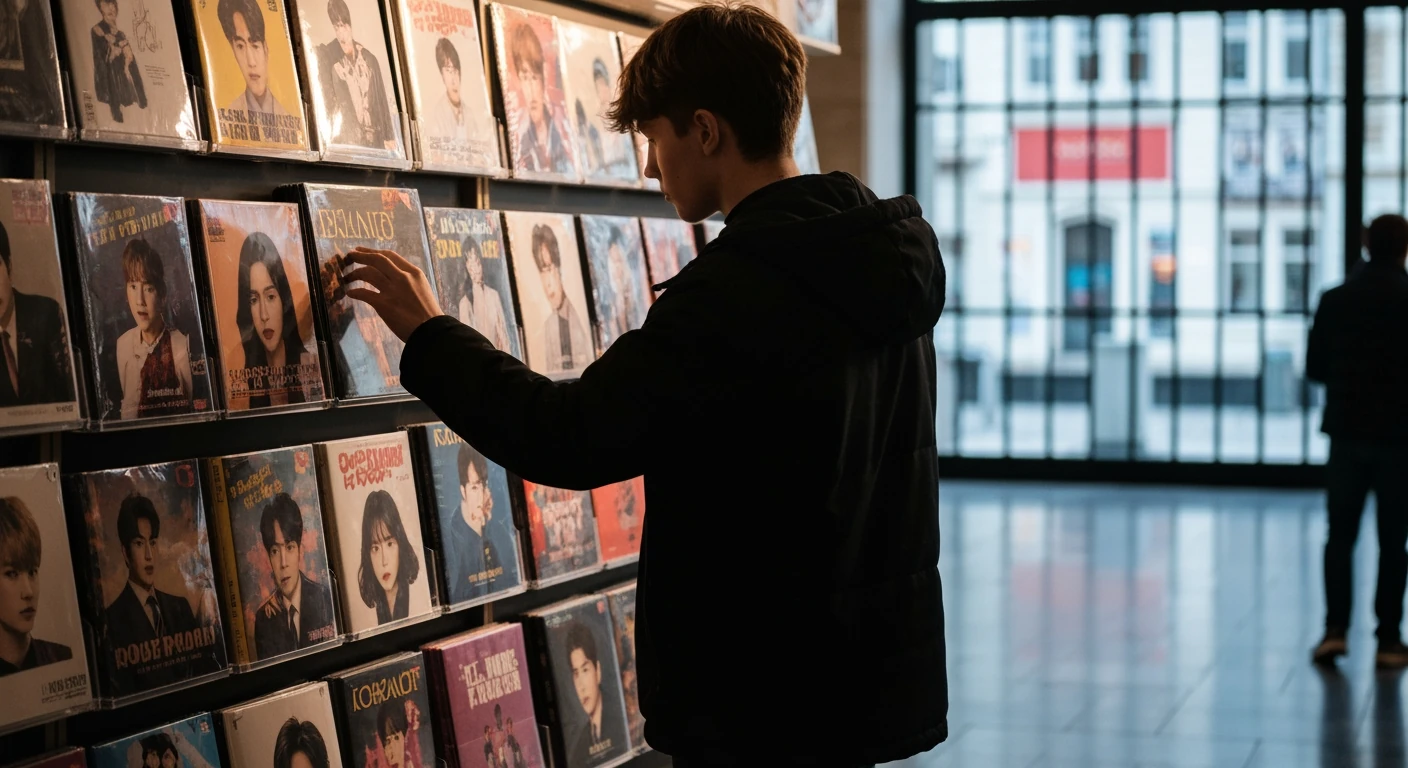
For decades, “soft power” was the domain of Hollywood films and American blue jeans. South Korea’s music industry has changed that equation entirely. Originating in the 1990s, Korean Pop, or K-Pop, combined infectious melodies with highly synchronized choreography and a unique artist-fan relationship, building a dedicated global following through platforms like YouTube and Twitter.
The economic impact is staggering. A Hyundai Research Institute report estimated that the group BTS alone contributes over $4.65 billion to South Korea’s GDP annually. This isn’t just about selling albums. This financial influence translates directly into national brand power, boosting tourism, language adoption, and interest in Korean products from cosmetics to technology. What most people miss is how these cultural spotlights in global affairs create a level of goodwill that traditional diplomacy struggles to achieve. It’s a powerful new tool in the international arena.
It’s like sending out millions of charismatic, singing diplomats instead of just one official envoy. Suddenly, a nation’s foreign policy has a globally beloved soundtrack.
Environmental Activism: Uniting Nations Beyond Borders
Unlike a centrally produced cultural product, some global movements are born from a shared idea that transcends national identity. The youth-led climate movement is a prime example. While catalyzed by figures like Greta Thunberg, its power comes from its decentralized, grassroots nature, organized largely through social media hashtags and local community groups.
This activism has had tangible effects on global affairs. The September 2019 climate strikes saw an estimated 7.6 million people participate worldwide, according to 350.org, creating undeniable pressure on political leaders attending the UN Climate Summit. When millions of young, soon-to-be-voting citizens take to the streets, how can policymakers simply ignore their demands for a sustainable future? These actions force climate change onto the agendas of G7 summits and national elections, influencing everything from energy policy to international trade agreements in our deeply interconnected world.
Culinary Diplomacy: Building Bridges Through Food
Sometimes, the most effective foreign policy tool is the one you can eat. “Culinary diplomacy” is the practice of using a country’s cuisine to foster cross-cultural understanding and create a favorable national image. It operates on a simple, human principle: it’s hard to dislike a country after you’ve fallen in love with its food. It’s a much friendlier—and frankly, more delicious—approach to international relations.
Thailand’s “Global Thai” program is a classic case study. In the early 2000s, its government actively supported the establishment of Thai restaurants abroad, providing training and resources to nearly double their number from 5,500 to over 10,000. This initiative not only created a massive export market for Thai ingredients but also built a global familiarity with and affection for Thai culture. This approach acts as a social lubricant, smoothing the path for more formal diplomatic and economic partnerships. Sharing a meal of Pad Thai can create a connection that no political speech ever could, reminding us how diverse cultural expressions and even tech innovations that spread them shape our world.
These examples show that influence is no longer monopolized by governments. The next major shift in global power might not come from a treaty, but from a viral song, a shared cause, or even a dinner plate.
Navigating the New Global Landscape: Strategies for Engagement
Understanding the nexus of culture, technology, and power is one thing; acting on that knowledge is another challenge entirely. The rapid acceleration of cultural spotlights demands more than passive observation. For individuals, companies, and governments alike, effective participation requires a proactive and nuanced approach. It’s not about controlling the narrative, but about contributing to it constructively. This means developing a new toolkit for a deeply interconnected world.
The strategies that worked in a previous era of slower, more predictable international relations are simply insufficient. What’s needed is a framework built on intelligence, ethics, and genuine collaboration. Without it, even well-intentioned efforts can backfire, creating misunderstanding instead of connection. The goal is to build bridges, not just broadcast messages.
Developing Cultural Intelligence
The first step is moving beyond mere cultural awareness to cultivate deep cultural intelligence (CQ). This involves the ability to relate and work effectively across different cultural contexts. It’s less about memorizing etiquette rules and more about understanding the underlying values and belief systems that shape behavior. Think of it like learning a language; you can get by with a phrasebook, but true fluency requires understanding grammar, slang, and context.
Developing this skill requires active listening and a commitment to learning. According to Dr. Elena Vance, a sociologist at the University of Chicago, organizations with high average CQ scores report 58% fewer cross-cultural misunderstandings during international projects. How can one build this? It starts with consuming media from other cultures, engaging in dialogue with diverse communities, and challenging your own assumptions. It is a continuous process of learning and unlearning.
Leveraging Digital Platforms Ethically
Digital platforms are the primary conduits for modern cultural exchange, but they are also fraught with ethical pitfalls. The same tools that foster global movements can also spread disinformation and amplify division. A core strategy is to engage on these platforms with a strong ethical compass. This means prioritizing transparency, verifying information before sharing, and creating content that seeks to unite rather than “win” an argument. It’s a tightrope walk.
For organizations, this extends to data privacy and algorithmic fairness. The data suggests—though not conclusively—that audiences are becoming more discerning about the digital ethics of the brands and institutions they support. A recent study from the MIT Media Lab found that user trust can drop by over 40% after a single perceived ethical breach related to content manipulation. The key is to use these powerful tools to foster genuine dialogue, recognizing the immense responsibility that comes with their reach and how tech innovations shape our global future.
Fostering Cross-Cultural Collaboration
Ultimately, navigating this new landscape effectively depends on collaboration. Isolated efforts are easily overwhelmed by the sheer volume and velocity of global information flows. By building partnerships across cultural and national lines, individuals and institutions can create more resilient and impactful initiatives. These collaborations act as learning labs for developing the very cultural intelligence discussed earlier.
This isn’t just about top-down agreements. The most powerful collaborations often emerge organically from shared interests and goals, powered by the digital tools at our disposal. The underrated factor here is creating the conditions for these partnerships to flourish.
The Role of Education
Education is the bedrock for long-term collaborative success. Curriculums in schools and universities need to integrate a more dynamic understanding of the dynamics of global affairs, moving beyond static historical accounts. This includes media literacy to dissect digital trends, exchange programs (both virtual and physical) that build personal connections, and project-based learning that tackles global problems. When students from different countries co-create a solution to a shared challenge—like water scarcity or digital literacy—they build lasting bonds and practical skills.
Policy Implications
Governments play a critical role in setting the stage for positive engagement. This involves policies that support cultural exchange, protect digital rights, and fund collaborative research. Instead of viewing cultural exports as a one-way tool for soft power, a more modern approach is to see them as a two-way street. The most effective policies create frameworks that encourage the interplay of global affairs, culture, and tech without trying to micromanage it.
This could mean simplifying visa processes for artists and scientists, providing grants for collaborative tech projects, or participating in international bodies that set ethical standards for artificial intelligence. By creating an enabling environment, policymakers can support the organic, citizen-led connections that define our globalized reality. The challenge lies in staying agile enough to adapt policies as new cultural spotlights in global affairs emerge, often with surprising speed.
The Next Frontier: Algorithmic Culture and Synthetic Diplomacy
As we’ve seen, the power to shape global discourse is shifting from state departments to the creators, consumers, and platforms that define modern culture. But what happens when the next major cultural export isn’t human-made at all? The rise of generative AI presents a fascinating and potentially disruptive frontier. Imagine AI-crafted music, art, and narratives optimized for maximum cross-cultural appeal, capable of creating a “flash culture” with surgical precision. Will this lead to a new era of synthetic diplomacy, where algorithms build bridges between nations, or will it become the ultimate tool for technical, scaled misinformation?
The principles of cultural intelligence and ethical engagement will become more critical than ever. Navigating this future requires us to question not only the source of the culture we consume but also the intent behind it. The central challenge is no longer just understanding how a K-Pop band influences foreign policy, but discerning the authentic human connection in a world where culture itself can be generated on demand.
Frequently Asked Questions
How do cultural exchanges influence international policy decisions?
Cultural exchanges build a foundation of goodwill and mutual understanding between nations. This “soft power” creates a more favorable environment for diplomatic negotiations and partnerships, making it easier for policymakers to find common ground and secure public support for international agreements.
What role does social media play in shaping global perceptions of different cultures?
Social media acts as a powerful amplifier, rapidly spreading cultural products like music, art, and memes across borders. It allows for direct, unfiltered connections that bypass traditional media, but also carries the risk of stripping content of its original context and enabling the spread of misinformation.
Can lifestyle trends predict major geopolitical events?
While not a crystal ball, collective lifestyle trends can be powerful leading indicators of deep societal shifts. Widespread movements like the push for sustainability or remote work reveal changing public priorities, which eventually exert pressure on corporations and governments to adapt their national and international policies.
What are the biggest challenges in leveraging cultural influence for diplomatic goals?
The primary challenges include the risk of cultural appropriation or misinterpretation, the spread of disinformation that can poison cross-cultural dialogue, and the phenomenon of “context collapse,” where nuanced cultural items are trivialized online. It’s also difficult to measure the direct impact of cultural initiatives on specific diplomatic outcomes.
How can individuals contribute to positive cultural diplomacy in a digital age?
Individuals can act as cultural diplomats by consciously consuming media from diverse countries, engaging respectfully in cross-cultural online conversations, and supporting creators from different backgrounds. Sharing authentic cultural stories and challenging stereotypes within one’s own online communities also contributes positively.
