Smart Home Integration: A Step-by-Step Guide to Automating Your Living Space for 2026

Anúncios
Smart Home Integration: A Step-by-Step Guide to Automating Your Living Space for 2026 (Practical Solutions)
Welcome to the future of living! In an era where technology seamlessly blends with our daily lives, smart home integration is no longer a futuristic dream but a tangible reality. As we move further into 2026, the capabilities and accessibility of smart home technologies have advanced exponentially, offering unprecedented levels of convenience, security, and energy efficiency. This comprehensive guide will walk you through everything you need to know about smart home integration, from understanding the basics to implementing advanced automation scenarios, ensuring your living space is not just smart, but intelligently connected.
The concept of a ‘smart home’ revolves around the idea of connecting various devices and systems within your residence to a central network, allowing them to communicate and be controlled remotely or automatically. Imagine waking up to blinds that gently open with the sunrise, coffee brewing as you step into the kitchen, and your preferred news channel playing softly in the background. This isn’t just about luxury; it’s about creating an environment that adapts to your needs, enhances your comfort, and simplifies your routines. The journey to a truly integrated smart home might seem daunting at first, given the myriad of devices and platforms available. However, with a structured approach and a clear understanding of your objectives, transforming your home into a smart haven is an achievable and rewarding endeavor.
This article aims to demystify the process of smart home integration. We’ll explore the core components, discuss the benefits, provide practical steps for planning and implementation, and highlight key considerations for future-proofing your setup. Whether you’re a tech enthusiast eager to embrace the latest innovations or someone looking for simple solutions to improve daily life, this guide is designed to empower you with the knowledge to create your ideal smart living space. Let’s embark on this exciting journey to unlock the full potential of your home in 2026 and beyond.
Anúncios
Understanding the Core of Smart Home Integration
At its heart, smart home integration is about interoperability and automation. It’s not enough to have a smart light bulb; true integration means that light bulb can react to your smart doorbell, your smart thermostat, or even your smart security system. This interconnectedness is what elevates individual smart devices into a cohesive smart home ecosystem. To achieve this, several foundational elements come into play:
1. Central Hubs and Controllers
The brain of your smart home, a central hub (sometimes called a gateway or controller) acts as the primary communication point for all your smart devices. It translates signals between different protocols (Wi-Fi, Zigbee, Z-Wave, Bluetooth, Thread) and allows you to manage everything from a single interface. Popular examples include Amazon Echo (with Zigbee hub), Google Nest Hub, Apple HomePod Mini (with Thread), Samsung SmartThings Hub, and dedicated home automation controllers like Hubitat. Choosing the right hub is a critical first step, as it often dictates the compatibility of other devices you’ll purchase.
2. Communication Protocols
Smart devices communicate using various wireless protocols. Understanding these is crucial for seamless smart home integration:
Anúncios
- Wi-Fi: Ubiquitous and easy to set up, but can quickly congest your network with too many devices. Best for devices that require high bandwidth, like security cameras.
- Zigbee: Low-power, mesh network protocol ideal for smaller data packets. Excellent for sensors, smart lights, and smart plugs. Creates a robust network where each device can relay signals.
- Z-Wave: Similar to Zigbee in purpose (low-power, mesh network) but operates on a different radio frequency. Known for its strong range and reliability, often used in professional installations.
- Bluetooth: Good for direct device-to-device connections over short distances. Less common for whole-home automation due to range limitations, but useful for specific accessories.
- Thread: A newer, IP-based mesh networking protocol designed for low-power IoT devices. Offers enhanced reliability and security, and is a cornerstone of the Matter standard.
- Matter: Not a protocol itself, but an open-source connectivity standard that aims to unify smart home devices across different ecosystems (Apple HomeKit, Google Home, Amazon Alexa, Samsung SmartThings). It runs over Wi-Fi, Thread, and Ethernet, promising unprecedented interoperability and simplifying smart home integration significantly. This is a game-changer for 2026.
3. Voice Assistants and AI
Voice assistants like Amazon Alexa, Google Assistant, and Apple Siri have become integral to the smart home experience. They provide a natural and intuitive way to control devices, execute routines, and retrieve information. Their underlying AI capabilities are continuously improving, allowing for more complex commands and personalized interactions.
Benefits of Seamless Smart Home Integration
The advantages of a well-integrated smart home extend far beyond mere convenience. They touch upon various aspects of modern living, making homes safer, more efficient, and ultimately, more enjoyable.
Enhanced Security and Peace of Mind
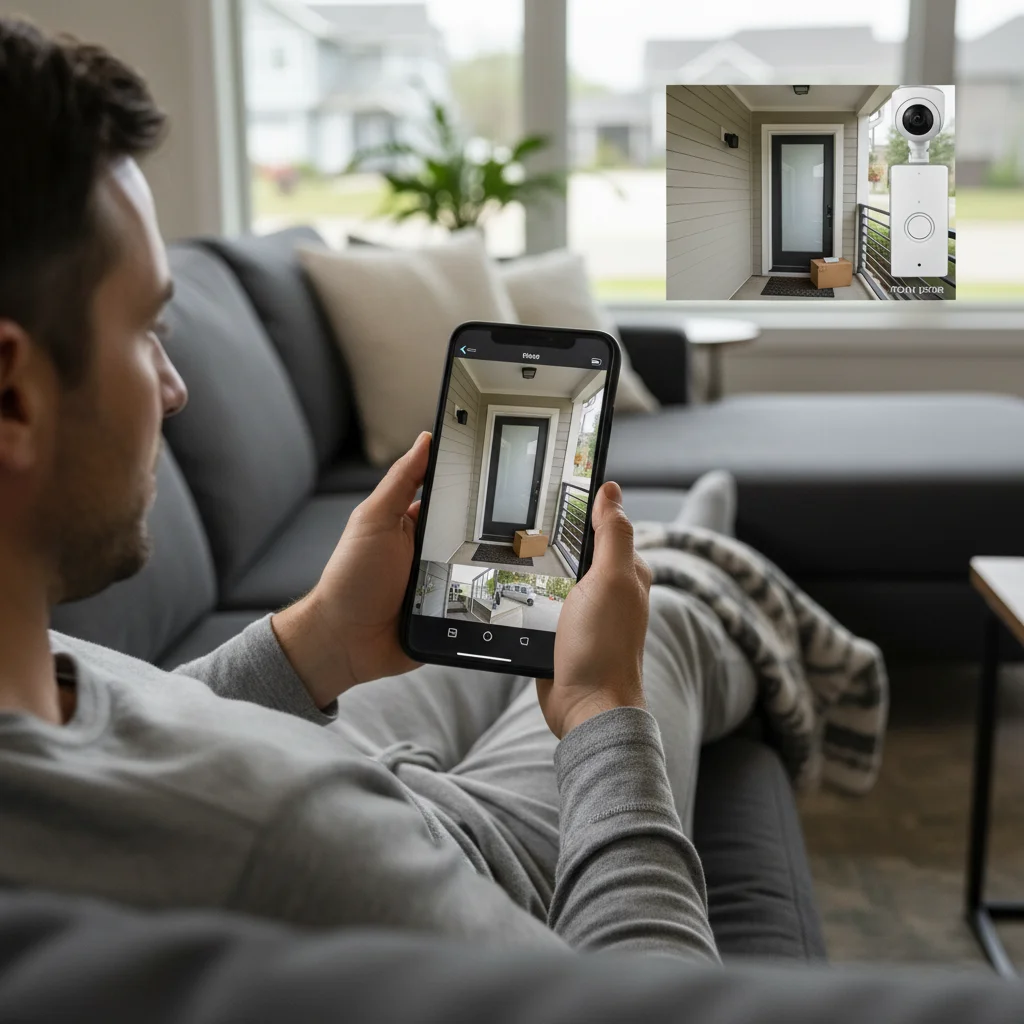
Smart security systems are a cornerstone of smart home integration. Connected door locks, security cameras, motion sensors, and smart doorbells can work in tandem to provide comprehensive protection. Imagine receiving an alert on your phone if an unfamiliar person approaches your front door, being able to remotely unlock your door for a trusted visitor, or having your lights automatically turn on if a motion sensor detects unusual activity at night. Integration allows these devices to communicate and react intelligently, offering unparalleled peace of mind.
Optimized Energy Efficiency
Smart thermostats, smart lighting, and smart plugs can significantly reduce your energy consumption and utility bills. A smart thermostat learns your preferences and adjusts heating/cooling based on occupancy, weather forecasts, and even open windows. Smart lights can dim or turn off automatically when a room is empty or when natural light is sufficient. Integrated systems can even prioritize energy usage during off-peak hours, contributing to a greener and more economical household.
Unparalleled Convenience and Comfort
This is perhaps the most immediate and noticeable benefit. Automated routines can simplify countless daily tasks. ‘Good Morning’ scene can turn on lights, start the coffee maker, and play your favorite podcast. ‘Good Night’ can lock doors, turn off all lights, and set the thermostat. Remote control allows you to manage your home from anywhere in the world, whether it’s pre-cooling your house before you arrive or checking if you left the garage door open. The level of personalization and control offered by smart home integration is truly transformative.
Accessibility and Support for Independent Living
Smart homes can greatly enhance accessibility for individuals with mobility challenges, the elderly, or those with specific needs. Voice control can operate lights, open blinds, and adjust thermostats without physical interaction. Automated reminders, smart fall detectors, and remote monitoring capabilities can support independent living, providing safety and assistance when needed.
Planning Your Smart Home Integration: A Step-by-Step Approach
Before diving into purchasing devices, a well-thought-out plan is essential. This will save you time, money, and frustration in the long run.
Step 1: Define Your Needs and Goals
What do you want your smart home to achieve? Are you primarily interested in security, energy savings, convenience, or a combination? Identify the pain points in your current home setup that smart home integration could address. For example:
- "I want to ensure my home is secure when I’m away." (Focus: security cameras, smart locks, motion sensors)
- "My energy bills are too high." (Focus: smart thermostat, smart lighting, smart plugs)
- "I want to simplify my morning routine." (Focus: smart blinds, coffee maker integration, smart speakers)
Prioritize these goals to guide your initial purchases.
Step 2: Assess Your Current Home Infrastructure
Consider your existing internet connection, Wi-Fi coverage, and electrical outlets. A reliable and robust Wi-Fi network is fundamental for most smart devices. You might need to upgrade your router or add Wi-Fi extenders/mesh systems to ensure full coverage, especially for larger homes. Also, think about wiring requirements for certain devices, although many modern smart devices are wireless.
Step 3: Choose Your Ecosystem and Central Hub
This is a crucial decision that will influence device compatibility. Popular ecosystems include:
- Amazon Alexa: Broad device support, excellent voice control, integrates with many third-party services.
- Google Home/Assistant: Strong AI capabilities, seamless integration with Google services, good for Android users.
- Apple HomeKit: Focus on privacy and security, intuitive interface, ideal for Apple users.
- Samsung SmartThings: Robust hub with wide protocol support (Zigbee, Z-Wave), good for advanced automation.
- Home Assistant: Open-source, highly customizable, requires technical expertise but offers ultimate control.
With the advent of Matter, cross-platform compatibility is improving significantly, but choosing a primary ecosystem will still streamline your experience. Your central hub will be the brain, so ensure it supports the protocols of the devices you plan to use.
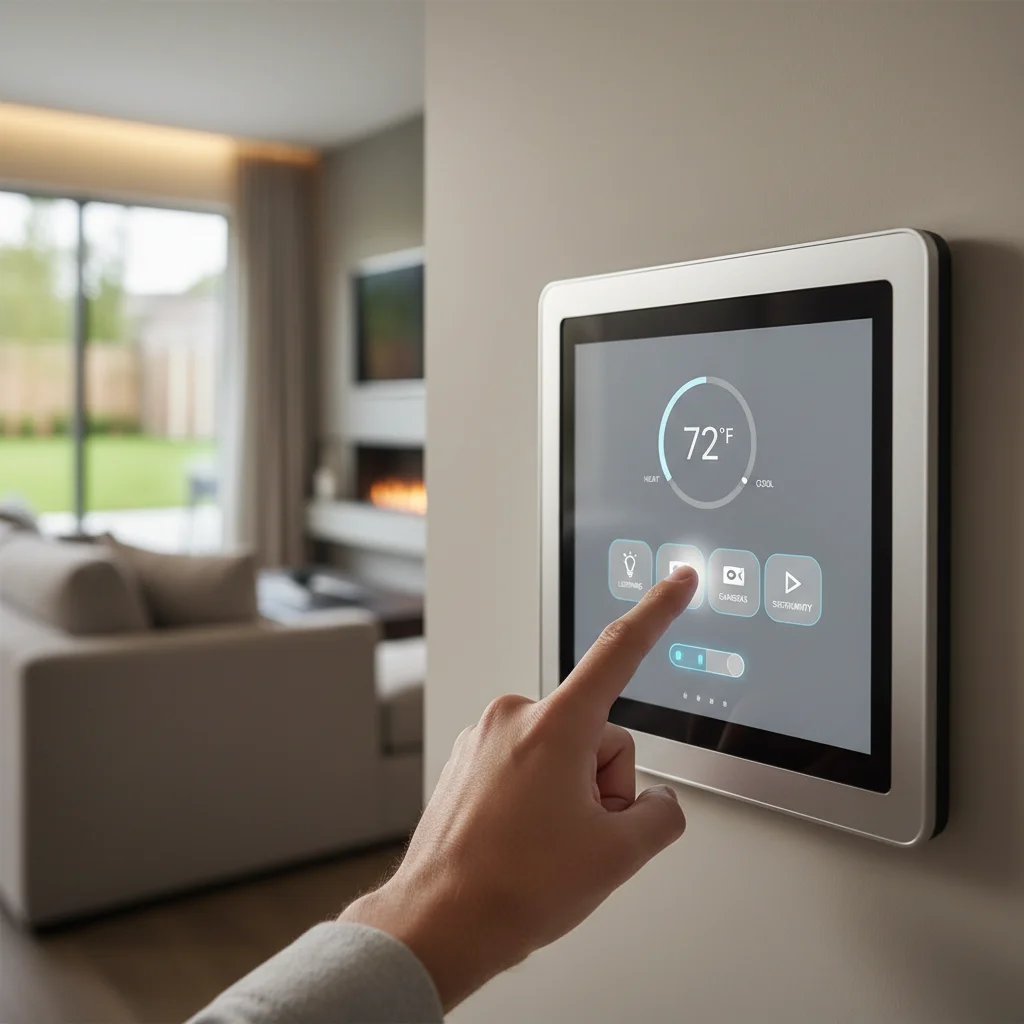
Step 4: Select Your Smart Devices (Starting Small)
Don’t try to automate everything at once. Start with a few key areas that align with your primary goals. Common starting points include:
- Smart Lighting: Easy to install and immediately noticeable impact.
- Smart Thermostat: Quick energy savings and comfort improvement.
- Smart Plugs: Transform any ‘dumb’ appliance into a smart one.
- Smart Doorbell/Camera: Enhanced security and monitoring.
When selecting devices, always check for compatibility with your chosen hub and ecosystem. Look for devices that support Matter for future-proofing.
Step 5: Installation and Configuration
Most smart devices are designed for DIY installation, often involving downloading an app, connecting to Wi-Fi, and following on-screen prompts. For more complex systems or wiring, consider professional installation. Once installed, configure each device within your hub’s app, giving them clear names (e.g., ‘Living Room Light,’ ‘Front Door Camera’) for easy voice control.
Implementing Smart Home Integration: Practical Solutions for 2026
Once your devices are set up, the real magic of smart home integration begins with automation and routines.
Creating Smart Scenes and Routines
This is where your smart home truly comes alive. Scenes and routines allow multiple devices to act in concert based on triggers or schedules. Most hubs and voice assistants offer intuitive interfaces for setting these up:
- Time-based: "At 7:00 AM, open blinds, turn on kitchen lights to 50%, and play morning news."
- Event-based: "When motion is detected on the driveway camera after sunset, turn on exterior lights and send an alert."
- Geofencing: "When I leave a 1-mile radius from home, lock all doors, arm the security system, and adjust thermostat to Away mode."
- Voice Commands: "Alexa, I’m home." (Triggers entry lights, disarms security, plays music).
Start with simple, high-impact routines and gradually build more complex ones as you become more familiar with the system. Think about your daily habits and how automation can streamline them.
Advanced Integration Strategies
For those looking to push the boundaries of smart home integration, consider these advanced strategies:
- IFTTT (If This Then That): A powerful web service that allows you to create custom applets connecting various smart devices and online services that might not natively integrate.
- Home Assistant: For the technically inclined, Home Assistant offers unparalleled customization, local control (reducing reliance on cloud services), and integration with virtually any smart device or service.
- Local Control Emphasis: As concerns about privacy and internet dependency grow, prioritize devices and hubs that offer local control capabilities, meaning they can function even if your internet goes down.
Security and Privacy Best Practices
As you integrate more devices, security and privacy become paramount. Follow these best practices:
- Strong Passwords and Two-Factor Authentication (2FA): Use unique, complex passwords for all smart home accounts and enable 2FA wherever possible.
- Regular Firmware Updates: Keep all your smart devices’ firmware up to date to patch security vulnerabilities.
- Secure Wi-Fi Network: Use WPA3 encryption if your router supports it, and consider setting up a separate guest network for some smart devices to isolate them from your main network.
- Review Permissions: Be mindful of the permissions you grant to smart home apps and services.
- Privacy Settings: Understand and configure the privacy settings of your voice assistants and cameras. Consider where you place cameras and microphones.
Key Smart Home Categories for 2026
The market for smart home devices is vast and constantly evolving. Here are some key categories and what to look for in 2026:
1. Smart Lighting
- What to look for: Matter-certified bulbs/switches, tunable white (warm to cool), full-color spectrum, geofencing capabilities, integration with motion sensors.
- Popular brands: Philips Hue, Lutron Caseta, Sengled, Govee.
2. Climate Control (Thermostats and HVAC)
- What to look for: Learning capabilities, multi-zone control, integration with occupancy sensors, air quality monitoring, Matter support.
- Popular brands: Ecobee, Google Nest, Honeywell Home, Tado.
3. Security and Surveillance
- What to look for: High-resolution cameras (4K), local storage options (to avoid cloud fees), AI-powered person/package detection, two-way audio, smart locks with multiple entry methods (keypad, fingerprint, app), Matter-compatible sensors.
- Popular brands: Arlo, Ring, Eufy, Google Nest Cam, August, Schlage.
4. Smart Appliances
- What to look for: Energy monitoring, remote control and scheduling, integration with voice assistants, proactive maintenance alerts, Matter support.
- Examples: Smart refrigerators, ovens, washing machines, robotic vacuums (Roomba, Roborock).
5. Entertainment and Media
- What to look for: Seamless integration with streaming services, multi-room audio, voice control for media playback, smart TVs with built-in hubs.
- Popular brands: Sonos, Apple HomePod, Google Nest Audio, Amazon Echo Studio, smart TVs from LG, Samsung, Sony.
6. Smart Blinds and Shades
- What to look for: Quiet motors, battery-powered options, solar charging, integration with light sensors and time-of-day routines, Matter support.
- Popular brands: Lutron, Somfy, Bali, IKEA Tradfri.
Troubleshooting Common Smart Home Integration Challenges
Even with careful planning, you might encounter some hurdles. Here’s how to address common issues:
1. Connectivity Issues
- Weak Wi-Fi: Improve your Wi-Fi coverage with a mesh system or extenders.
- Network Congestion: Ensure your router can handle the number of connected devices. Consider upgrading to Wi-Fi 6/6E.
- Interference: Keep smart devices away from other electronics that might cause interference.
2. Device Incompatibility
- Always double-check compatibility before purchasing.
- Look for Matter-certified devices for greater interoperability in 2026.
- Consider using a more universal hub like SmartThings or Home Assistant if you have a mix of protocols.
3. Automation Failures
- Check Triggers and Actions: Ensure your routines are correctly configured.
- Device Status: Verify that all devices involved in a routine are online and functioning.
- Internet Dependency: If a routine relies on cloud services, an internet outage can cause it to fail. Prioritize local control where possible.
4. Voice Assistant Misunderstandings
- Clear Naming: Use simple, unambiguous names for your devices.
- Practice Commands: Experiment with different phrasing.
- Acoustics: Ensure your voice assistant can hear you clearly without excessive background noise.
The Future of Smart Home Integration: What to Expect Beyond 2026
The landscape of smart home integration is continuously evolving, with exciting developments on the horizon:
Enhanced AI and Predictive Automation
Expect AI to become even more sophisticated, allowing your home to anticipate your needs rather than just reacting to commands. Predictive automation will leverage machine learning to understand your habits, external factors (weather, traffic), and even your mood to proactively adjust your environment. Imagine your home pre-cooling itself based on a weather forecast and your calendar, knowing you’ll be home soon after a workout.
Greater Emphasis on Privacy and Local Processing
As smart homes become more ubiquitous, concerns about data privacy are growing. We’ll see a stronger trend towards local processing of data, reducing reliance on cloud services and giving users more control over their personal information. Devices designed with ‘privacy by design’ will become a key selling point.
Ubiquitous Sensing and Ambient Computing
The next generation of smart homes will feature more discreet and integrated sensors that blend seamlessly into the environment. This ‘ambient computing’ will allow the home to understand your presence, activities, and preferences without explicit commands, creating a truly intuitive and responsive living space. Think about homes that adjust lighting, temperature, and music based on who is in the room and what they are doing, all without a single button press or voice command.
Sustainable Smart Homes
Beyond energy efficiency, future smart home integration will focus on broader sustainability. This includes smart water management systems, integration with renewable energy sources (solar panels, battery storage), and devices designed with eco-friendly materials and lifecycle in mind. Your home might automatically shift energy consumption to times when renewable energy is abundant or optimize water usage based on garden needs and weather predictions.
Conclusion: Embracing the Intelligent Home
The journey to full smart home integration is an ongoing one, filled with innovation and ever-expanding possibilities. In 2026, the tools and standards are more mature and accessible than ever before, making it the perfect time to transform your living space into an intelligent, responsive, and efficient environment. By carefully planning, choosing compatible devices, and leveraging the power of automation, you can create a home that not only simplifies your life but also enhances your comfort, security, and well-being.
Remember to start small, prioritize your needs, and continuously explore new devices and functionalities. The future of living is smart, and with this guide, you are well-equipped to build your own intelligent sanctuary. Embrace the change, enjoy the convenience, and step into the future of home automation today. Your smart home awaits!
