Home Wellness Redefined: 4 Design Trends for a Healthier Living Space in the Next 12 Months
Anúncios
In an increasingly fast-paced world, our homes have transcended their traditional role as mere shelters. They are now seen as sanctuaries, vital to our physical and mental well-being. The concept of home wellness design is no longer a niche luxury but a fundamental aspect of modern living, influencing how we shape our personal environments. As we look ahead to the next 12 months, several transformative design trends are emerging, promising to redefine how we experience our living spaces, making them healthier, more restorative, and deeply connected to our overall sense of well-being. These trends are not just about aesthetics; they are about creating environments that actively contribute to our health, happiness, and productivity.
The global pandemic undeniably accelerated the shift towards prioritizing home environments. With more time spent indoors, people became acutely aware of how their surroundings impacted their mood, stress levels, and even physical health. This heightened awareness has fueled a demand for design solutions that go beyond superficial beauty, delving into the core principles of holistic well-being. From the air we breathe to the light we live under, every element of our home is being scrutinized through the lens of wellness. This article will delve into four pivotal home wellness design trends that are set to dominate the design landscape in the coming year, offering practical insights and inspiration for transforming your own abode into a haven of health.
Understanding these trends is crucial for anyone looking to invest in their home or simply seeking to enhance their quality of life. We’ll explore how biophilic design brings the healing power of nature indoors, how smart technology is becoming an invisible assistant for well-being, the critical role of sustainable and non-toxic materials, and the growing emphasis on creating mindful, restorative spaces. Each trend offers unique opportunities to cultivate a healthier living environment, fostering a deeper connection with ourselves and our surroundings. Let’s embark on this journey to redefine our homes for a healthier future.
Anúncios
1. Biophilic Design: Reconnecting with Nature Indoors
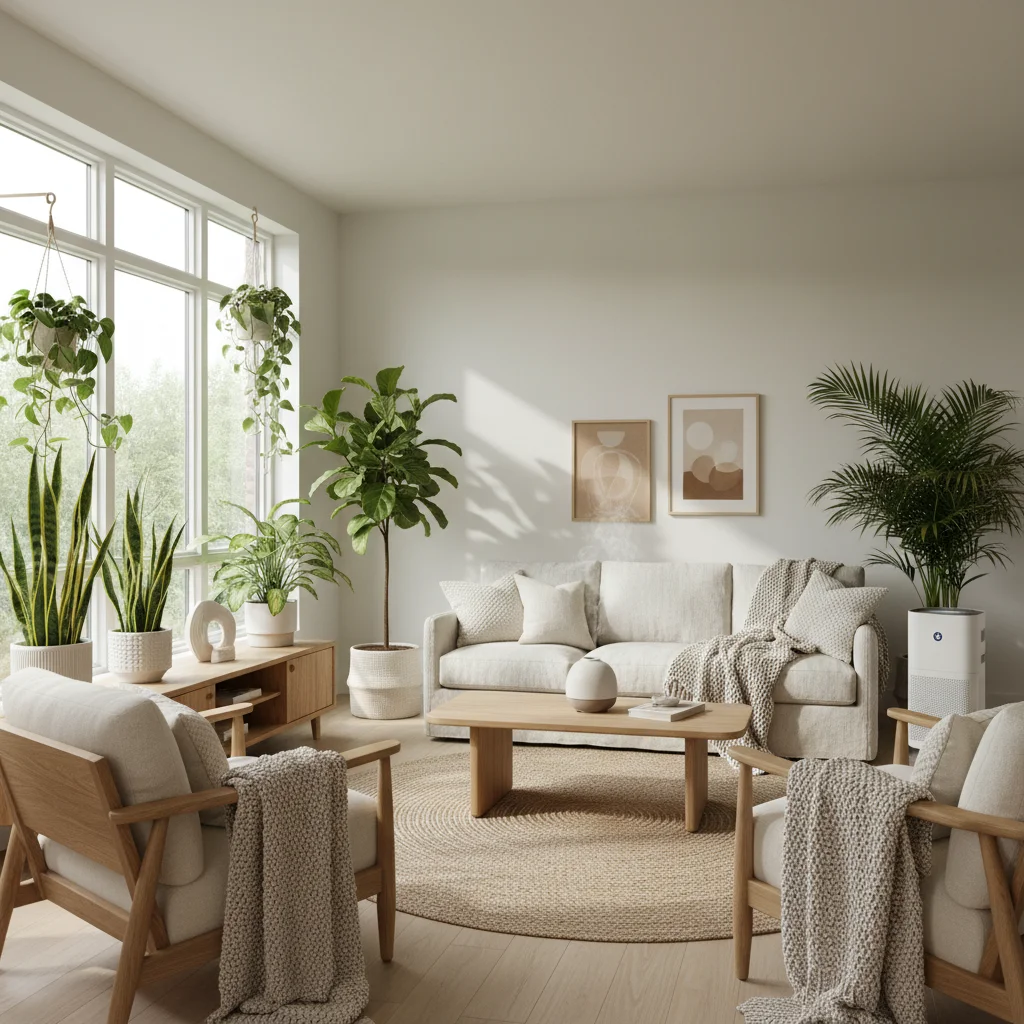
The first and arguably most impactful trend in home wellness design is biophilic design. This approach centers on integrating natural elements into the built environment to foster a deeper connection between humans and nature. The premise is simple yet profound: humans have an innate need to connect with nature, and when this connection is nurtured indoors, it can significantly improve our physical and mental health. In the next 12 months, expect to see an even greater emphasis on bringing the outdoors in, transforming urban dwellings into lush, vibrant oases.
The Science Behind Biophilia
Research consistently shows that exposure to natural elements can reduce stress, improve cognitive function, accelerate healing, and enhance overall mood. Biophilic design aims to harness these benefits by incorporating natural light, ventilation, plant life, natural materials, and views of nature into home interiors. It’s about creating an environment that feels alive, dynamic, and inherently calming.
Practical Applications for Your Home
- Abundant Greenery: Beyond a few potted plants, think about creating living walls, indoor gardens, or even integrating large planters as architectural features. Choose plants that not only look good but also purify the air, such as snake plants, peace lilies, and spider plants.
- Natural Light Optimization: Maximize natural light through larger windows, skylights, and strategic placement of mirrors to reflect light deeper into rooms. Consider sheer curtains or smart glass that allows control over light levels without completely blocking the view.
- Natural Materials and Textures: Incorporate wood, stone, cork, and natural fibers like linen, wool, and cotton. These materials not only add warmth and texture but also often have lower VOC (Volatile Organic Compound) emissions compared to synthetic alternatives.
- Views of Nature: If possible, arrange your furniture to frame views of trees, gardens, or even a well-maintained balcony with plants. If natural views are limited, consider nature-inspired art or digital displays of calming natural scenes.
- Water Features: Small indoor fountains or water walls can add a soothing auditory element and help humidify the air, contributing to a tranquil atmosphere.
Embracing biophilic design is more than just decorating with plants; it’s about creating a harmonious ecosystem within your home that supports your well-being. It’s a holistic approach to home wellness design that acknowledges our deep-seated need for nature.
Anúncios
2. Smart Home Technology for Enhanced Well-being
The integration of smart home technology has been on the rise for years, but in the context of home wellness design, its role is evolving beyond convenience to become a proactive tool for health and comfort. In the coming year, we’ll see smart devices becoming more intuitive, more interconnected, and specifically designed to monitor and optimize environmental factors that directly impact our well-being.
Beyond Automation: Wellness-Centric Smart Tech
No longer just about turning lights on and off, smart home technology is now focused on creating an optimal living environment. This includes sophisticated climate control, advanced air and water purification systems, intelligent lighting that mimics natural circadian rhythms, and even sensors that monitor sleep patterns and stress levels.
Key Smart Wellness Technologies to Watch
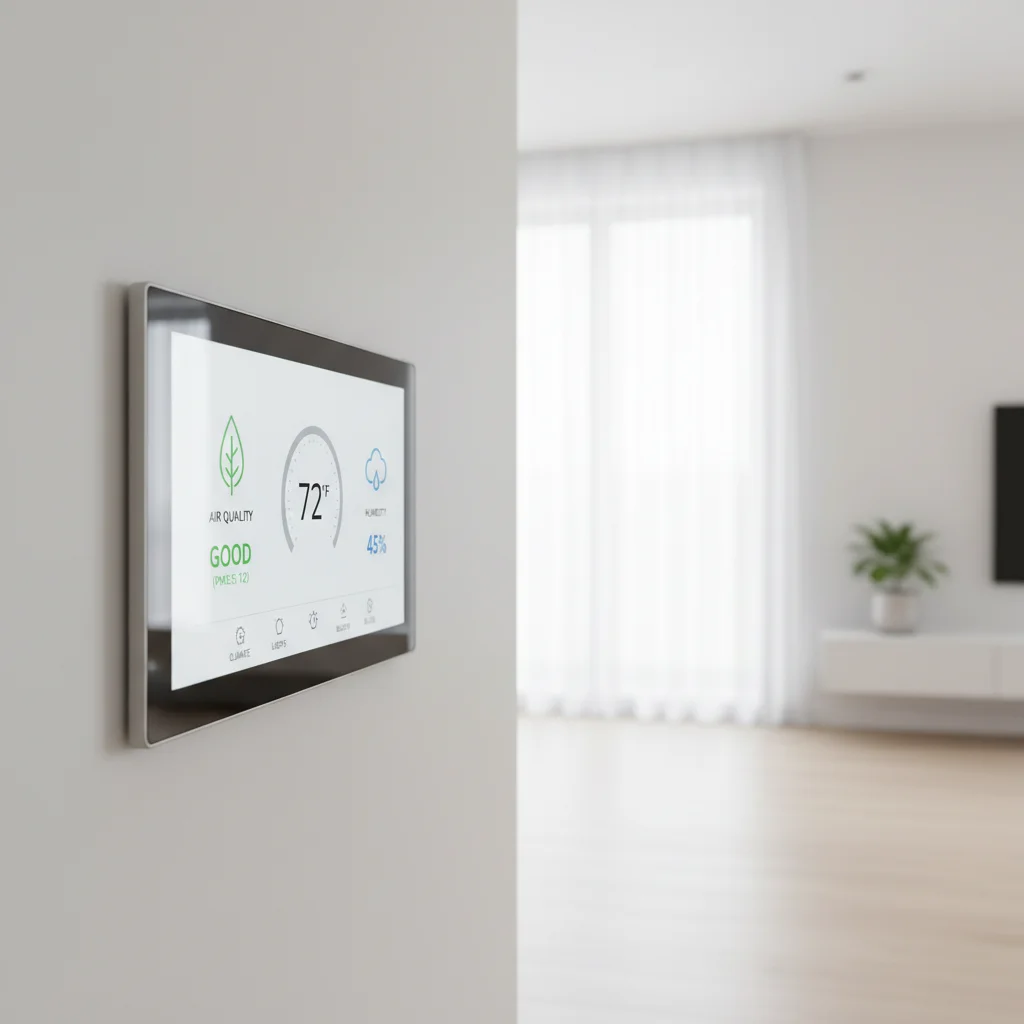
- Advanced Air Quality Monitoring and Purification: Smart air purifiers can detect pollutants, allergens, and VOCs, automatically adjusting their filtration to maintain optimal air quality. Some systems even integrate with HVAC to purify air throughout the entire home.
- Circadian Lighting Systems: These systems adjust the color temperature and intensity of lights throughout the day to mimic natural daylight patterns, supporting healthy sleep-wake cycles and improving mood and productivity. Warm, dim lights in the evening aid relaxation, while bright, cool lights in the morning enhance alertness.
- Smart Sleep Aids: From mattresses that track sleep metrics and adjust firmness to smart sound machines that create personalized soundscapes, technology is increasingly helping us achieve more restorative sleep.
- Water Filtration and Dispensing: Smart water filters can provide real-time information on water quality and dispense purified water at optimal temperatures, ensuring hydration is both convenient and healthy.
- Environmental Sensors: Integrated sensors can monitor temperature, humidity, CO2 levels, and even detect mold growth, providing data and automated adjustments to maintain a perfectly balanced indoor climate.
- Voice-Activated Wellness Assistants: Beyond playing music, these assistants can guide meditation, offer breathing exercises, or provide personalized wellness tips based on collected data.
The beauty of these technologies lies in their ability to operate seamlessly in the background, making wellness an effortless part of daily life. They empower us to take control of our indoor environments, actively contributing to a healthier and happier existence. This intelligent approach to home wellness design ensures that our homes are not just smart, but truly supportive of our health.
3. Sustainable and Non-Toxic Materials: Building for Health
The conscious choice of materials is a cornerstone of modern home wellness design. As awareness grows about the impact of everyday products on our health and the environment, there’s a strong pivot towards sustainable, non-toxic, and ethically sourced materials. This trend is not just about being eco-friendly; it’s about eliminating harmful chemicals from our living spaces, which can contribute to a myriad of health issues, from respiratory problems to hormonal disruptions.
The Hidden Dangers of Conventional Materials
Many traditional building and decorating materials contain Volatile Organic Compounds (VOCs), formaldehyde, heavy metals, and other harmful chemicals that can off-gas into the air for years. These can significantly degrade indoor air quality, leading to what’s known as ‘sick building syndrome.’ The shift towards non-toxic options is a direct response to this health concern.
Embracing Health-Conscious Material Choices
- Low-VOC Paints and Finishes: Opt for paints, sealants, and glues that are labeled ‘low-VOC’ or ‘zero-VOC.’ These significantly reduce the release of harmful chemicals into your home’s air.
- Natural Flooring: Materials like cork, bamboo, linoleum (made from linseed oil), and sustainably harvested wood are excellent choices. They are renewable, often durable, and typically do not off-gas harmful substances. Wool carpets, if chosen carefully, can also be a good option for air quality.
- Recycled and Upcycled Materials: Incorporate furniture and decor made from recycled glass, metal, or reclaimed wood. This not only reduces waste but often results in unique, character-filled pieces.
- Organic Textiles: Choose bedding, upholstery, and curtains made from organic cotton, hemp, linen, or wool. These materials are grown without harmful pesticides and processed without harsh chemicals, making them better for both you and the planet.
- Natural Insulation: Consider insulation options like recycled denim, sheep’s wool, or cellulose, which are often less irritating and more environmentally friendly than traditional fiberglass.
- Non-Toxic Furniture: Look for furniture made with solid wood, natural finishes, and formaldehyde-free glues. Avoid particleboard or MDF unless you can verify it’s made with non-toxic binders.
- Bioplastics and Plant-Based Materials: As technology advances, more innovative materials derived from plants are becoming available, offering sustainable alternatives for various home products.
Investing in sustainable and non-toxic materials is an investment in your health. It’s a proactive step in creating a truly healthy home environment, minimizing exposure to harmful chemicals, and contributing to a more sustainable future. This mindful approach to material selection is a cornerstone of effective home wellness design.
4. Mindful Spaces and Restorative Zones: Designing for Inner Peace
Beyond the physical elements, home wellness design in the next year will increasingly focus on creating spaces that support mental clarity, emotional balance, and spiritual well-being. This trend emphasizes the importance of mindful spaces and dedicated restorative zones within the home, designed to encourage relaxation, contemplation, and personal growth.
Cultivating Calm in a Chaotic World
Our homes should be a refuge from the external pressures of daily life. Designing with mindfulness means intentionally creating areas that promote peace, reduce sensory overload, and offer opportunities for quiet reflection. This can be particularly important in homes where work, education, and leisure all coexist.
Strategies for Designing Mindful and Restorative Spaces
- Decluttering and Organization: A clutter-free environment is paramount for a clear mind. Implement smart storage solutions and regularly declutter to maintain a sense of order and calm.
- Dedicated Meditation or Yoga Nooks: Even a small corner can be transformed into a personal sanctuary. Include a comfortable cushion, soft lighting, and perhaps a few meaningful objects or plants.
- Sensory Harmony: Pay attention to all five senses. Incorporate calming scents through essential oil diffusers, choose soft, non-abrasive textures, use warm, dimmable lighting, and minimize harsh noises.
- Comfortable Reading or Relaxation Zones: A cozy armchair by a window, a plush rug, and a good reading lamp can create an inviting space for unwinding and disconnecting from digital devices.
- Digital Detox Areas: Designate specific areas or times where electronic devices are put away. This encourages face-to-face interaction or quiet introspection.
- Personal Expression and Authenticity: Fill your home with objects that genuinely resonate with you and tell your story. Authenticity fosters a deeper sense of belonging and comfort.
- Soundscaping: Consider incorporating subtle, calming sounds like white noise, nature sounds, or soft instrumental music to mask disruptive external noises and promote relaxation.
- Color Psychology: Utilize calming color palettes such as soft blues, greens, neutrals, and earthy tones, which are known to promote tranquility and reduce stress.
Creating mindful spaces isn’t about grand renovations; it’s about intentional design choices that foster a deeper connection with your inner self. It’s about recognizing that our homes are extensions of ourselves, and by nurturing them, we nurture our own well-being. This crucial aspect of home wellness design ensures that our living spaces are not just functional, but truly soulful.
Integrating Wellness into Every Corner of Your Home
The four home wellness design trends discussed – biophilic design, smart home technology for well-being, sustainable and non-toxic materials, and mindful spaces – are not isolated concepts. They are interconnected threads that, when woven together, create a rich tapestry of holistic living. The beauty of these trends lies in their versatility and adaptability, allowing homeowners to integrate them to varying degrees, depending on their personal needs, budget, and aesthetic preferences.
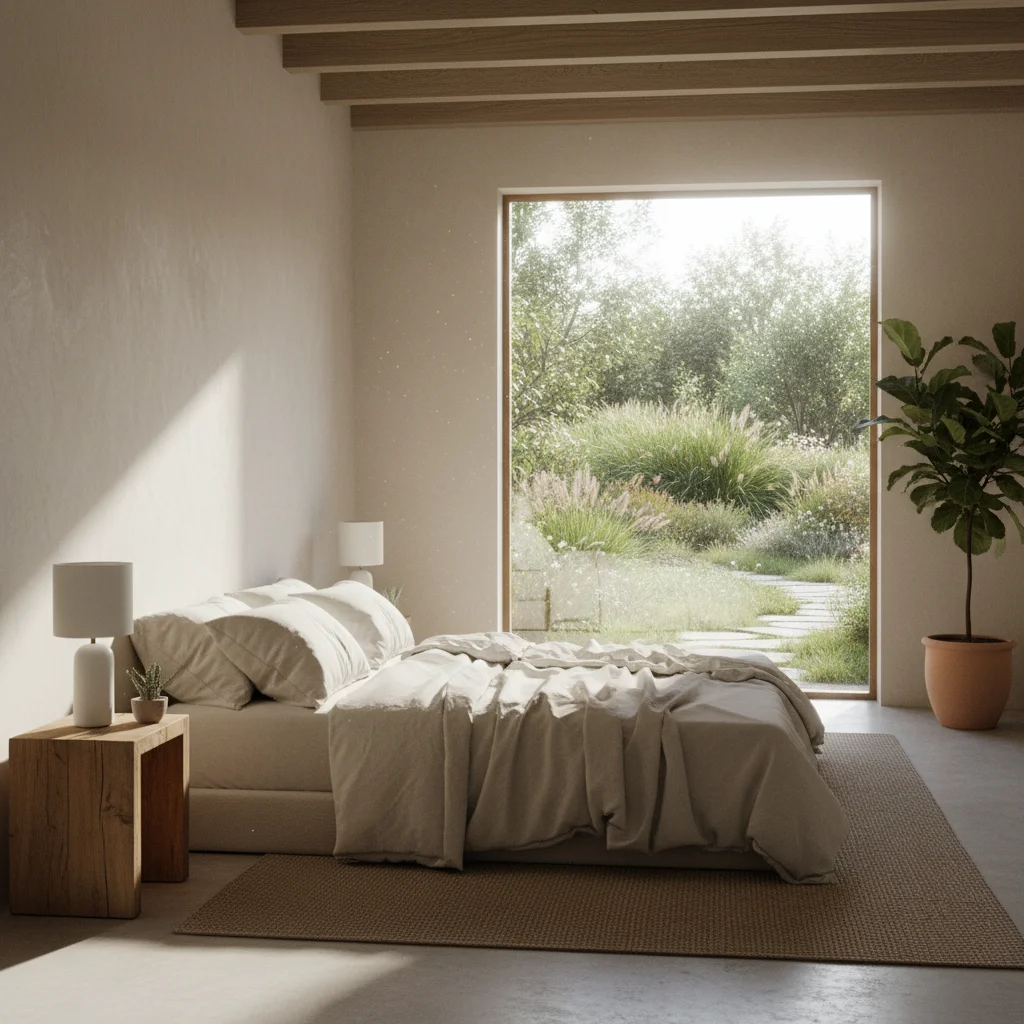
Imagine a bedroom where circadian lighting gently wakes you with a simulated sunrise, the air purifier silently ensures pristine air quality, and organic linen sheets invite restful sleep. Or a living room bathed in natural light from large windows, adorned with lush indoor plants, and featuring a smart thermostat that maintains the perfect temperature and humidity. These are not futuristic fantasies but achievable realities that these wellness-centric design trends are bringing to the forefront.
Starting Your Wellness Design Journey
Embarking on a home wellness design journey doesn’t require a complete overhaul. Start small, identify areas of your home that could benefit most from a wellness upgrade, and gradually incorporate elements from these trends. Perhaps it’s introducing more plants, investing in a low-VOC paint for a refresh, or setting up a dedicated meditation corner. Even minor adjustments can yield significant improvements in your daily life and overall well-being.
Consider the long-term benefits: better sleep, reduced stress, improved air quality, and a greater sense of peace and contentment within your own four walls. These are invaluable returns on investment. As we move through the next 12 months, the emphasis on creating healthier, more restorative living environments will only intensify, solidifying home wellness design as a fundamental pillar of contemporary architecture and interior design.
The Future of Home Living
The future of home living is intrinsically linked to wellness. Our homes are evolving into dynamic ecosystems that actively support our health, happiness, and connection to the natural world. By embracing these leading design trends, we are not just decorating our spaces; we are curating experiences, fostering well-being, and building foundations for a healthier, more mindful existence. The next 12 months present an exciting opportunity to transform our homes into true sanctuaries, where every design choice contributes to a richer, more fulfilling life.
Ultimately, home wellness design is about creating an environment that nurtures you, body and soul. It’s about designing a space where you can thrive, recover, and find joy. By thoughtfully integrating biophilic elements, leveraging smart technology, choosing sustainable materials, and crafting mindful zones, you can redefine your living space and unlock a new level of well-being for yourself and your loved ones.
