American Theater Movements 2026: Broadway to Main Street
Anúncios
The American theater landscape is a constantly evolving tapestry, woven with threads of tradition, innovation, and social commentary. As we look towards 2026, a myriad of exciting trends and movements are taking shape, promising to redefine how we experience storytelling on stage. From the glittering lights of Broadway to the intimate settings of community playhouses, emerging American theater is pushing boundaries, fostering inclusivity, and engaging audiences in unprecedented ways. This article delves into six pivotal movements that are set to dominate the theatrical scene, offering a comprehensive guide to what’s next in American performance.
The resilience of theater, particularly in the face of global challenges, has never been more apparent. Artists and companies have adapted, innovated, and reimagined what live performance can be. This period of intense creativity has given rise to a new generation of theatrical experiences that are more diverse, more accessible, and more reflective of the complex world we inhabit. Understanding these shifts is crucial for anyone passionate about the arts, whether you’re a seasoned theatergoer or a curious newcomer.
Our journey begins by acknowledging the foundational shifts occurring within the industry. No longer content with merely entertaining, contemporary theater seeks to provoke, educate, and inspire. The movements we explore below are not isolated phenomena but interconnected currents, each contributing to a richer, more dynamic theatrical ecosystem. Prepare to be enlightened, challenged, and utterly captivated by the future of emerging American theater.
1. The Rise of Immersive and Experiential Theater
Immersive theater is not a new concept, but its evolution and widespread adoption are marking it as a defining characteristic of emerging American theater in 2026. Moving beyond traditional proscenium arch productions, immersive experiences invite the audience to become an integral part of the narrative. This can range from site-specific performances in unconventional venues – think abandoned warehouses, historic mansions, or even entire city blocks – to productions where audience members directly interact with characters and influence the plot.
Anúncios
What sets the current wave of immersive theater apart is its sophistication and ambition. Productions are increasingly employing advanced technology, intricate set designs, and highly trained performers to create truly believable and captivating alternative realities. The goal is to break down the fourth wall entirely, fostering a profound sense of presence and personal connection to the story. This movement is particularly appealing to younger audiences who crave active engagement and unique, shareable experiences.
Companies like "Punchdrunk" (though UK-based, their influence is global) have paved the way, and American counterparts are now innovating at an incredible pace. We’re seeing more productions that blend elements of escape rooms, interactive art installations, and traditional narrative theater. The success of these ventures lies in their ability to craft compelling stories that are enhanced, rather than overshadowed, by the immersive format. Expect to see more personalized pathways through narratives, where each audience member’s journey is unique, making repeat visits a genuine possibility and further cementing its place in emerging American theater.
2. Digital Integration and Hybrid Performances
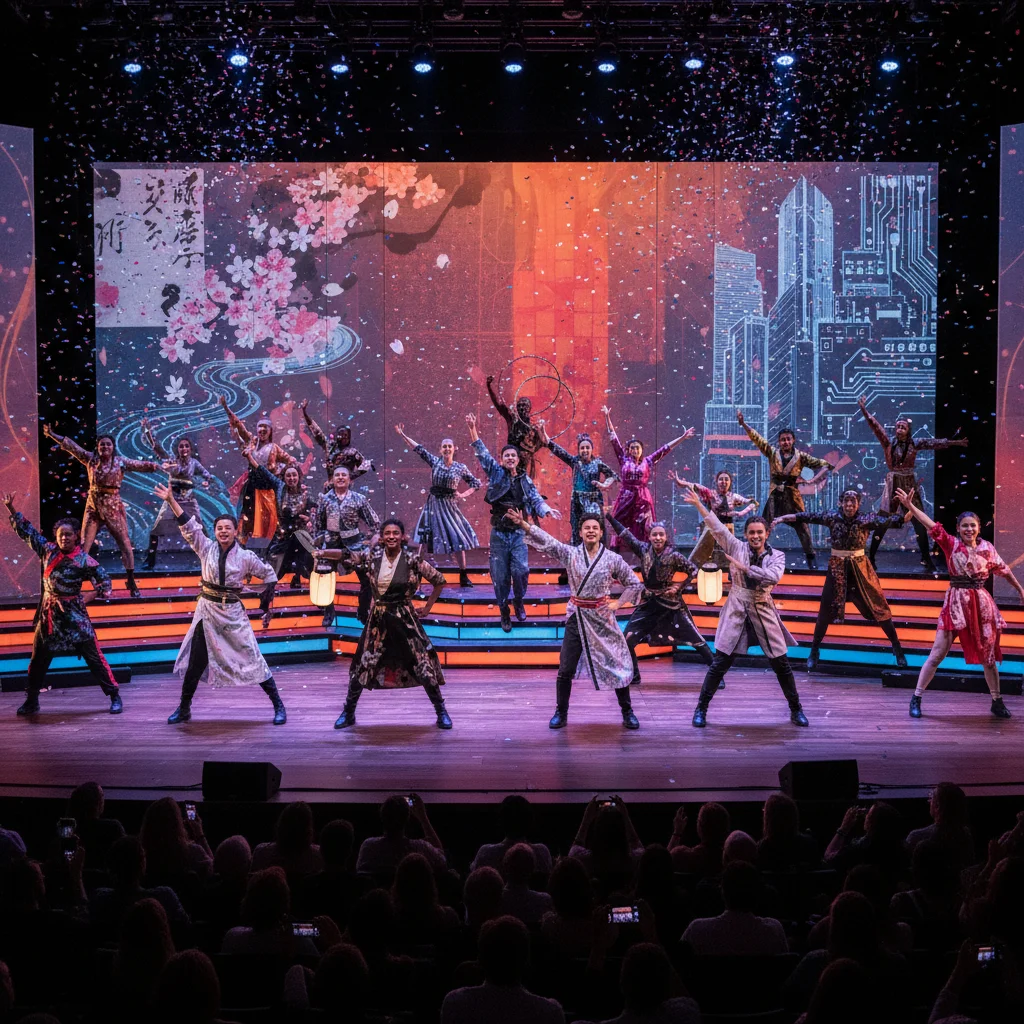
The pandemic accelerated the integration of digital technologies into live performance, and what began as a necessity has now blossomed into a creative frontier for emerging American theater. Hybrid performances, which seamlessly blend live stage action with pre-recorded digital content, virtual reality (VR), augmented reality (AR), and interactive online components, are becoming more common and sophisticated. These productions offer unprecedented opportunities for accessibility, reaching audiences far beyond the physical confines of a theater.
Anúncios
Imagine a live play where certain scenes unfold in a virtual world accessible via VR headsets, or where audience members at home can vote on plot developments in real-time. This isn’t science fiction; it’s the reality of emerging American theater. Digital integration also allows for innovative storytelling techniques, such as projecting intricate digital landscapes onto physical sets, creating dynamic visual effects that would be impossible with traditional methods, or even incorporating AI-generated elements into the narrative.
The challenge and opportunity lie in using technology not as a gimmick, but as an enhancement to the storytelling. The most successful hybrid productions maintain the emotional core of live performance while leveraging digital tools to expand its reach and artistic possibilities. This movement is also addressing issues of accessibility, allowing individuals with mobility challenges or those in remote locations to engage with high-quality theatrical experiences. The digital stage is no longer a temporary substitute but a permanent, evolving platform within the world of emerging American theater.
3. The Power of "Main Street" Community Theater & Hyperlocal Storytelling
While Broadway continues to dazzle, a significant and vibrant movement is flourishing away from the major metropolitan centers: the revitalization of "Main Street" community theater and a focus on hyperlocal storytelling. This aspect of emerging American theater emphasizes narratives that are deeply rooted in specific communities, reflecting local histories, social issues, and cultural identities.
Community theaters are becoming vital cultural hubs, not just presenting plays but actively engaging with their local populations through workshops, educational programs, and collaborative projects. This often involves sourcing local talent, both on and off stage, and creating productions that resonate directly with the experiences of the community members. The authenticity and relatability of these stories foster a strong sense of ownership and pride among audiences.
Hyperlocal storytelling often tackles themes that are specific to a town or region, from the impact of economic changes to the celebration of local heroes and traditions. This approach creates a unique theatrical experience that cannot be replicated elsewhere, offering a powerful counterpoint to the more universal themes often found in mainstream productions. It’s about bringing theater back to its roots as a communal gathering, a mirror reflecting the lives and concerns of its immediate audience. This movement is proving that some of the most compelling and impactful theater is found not in the largest venues, but in the heart of small towns and neighborhoods across America, making it a crucial component of emerging American theater.

4. Expanding Definitions of Inclusivity and Representation
Inclusivity and representation are no longer buzzwords but foundational principles guiding the development of emerging American theater. This movement is multifaceted, encompassing a commitment to diverse casting, the development of new plays by underrepresented voices, and the creation of accessible spaces and experiences for all audiences and artists.
The push for diverse casting extends beyond simply color-blind casting; it involves actively seeking out and developing talent from all racial, ethnic, gender, and ability backgrounds. This ensures that the stories told on stage are reflective of the diverse population of America. Furthermore, there’s a concerted effort to commission and produce works by playwrights from marginalized communities, bringing fresh perspectives and narratives to the forefront. This not only enriches the theatrical canon but also provides platforms for voices that have historically been excluded.
Accessibility is another critical component. This includes physical accessibility for audience members and performers with disabilities, as well as financial accessibility through varied ticket pricing and outreach programs. It also extends to creating inclusive environments backstage and in creative teams, ensuring that theater professionals from all backgrounds have equitable opportunities. The goal is to dismantle systemic barriers and foster an environment where everyone feels welcome, seen, and heard – a true hallmark of emerging American theater.
5. Eco-Conscious Productions and Sustainable Practices
As global awareness of climate change intensifies, the theater industry is increasingly adopting eco-conscious production methods and sustainable practices. This movement within emerging American theater is about minimizing the environmental footprint of theatrical productions, from set design and costume creation to energy consumption and waste management.
The shift involves innovative approaches such as reusing and recycling set pieces and props, sourcing sustainable and ethically produced materials, and exploring alternative energy solutions for lighting and sound. Costume designers are experimenting with upcycling, vintage clothing, and eco-friendly fabrics. Touring productions are rethinking logistics to reduce carbon emissions, and theaters themselves are investing in green infrastructure and waste reduction programs.
Beyond practical changes, eco-conscious theater also incorporates environmental themes into its narratives, using the stage as a platform to raise awareness about climate change, biodiversity loss, and the importance of sustainability. This dual approach – practicing sustainability behind the scenes and promoting it through storytelling – positions theater as a powerful advocate for environmental responsibility. This commitment to a greener future is not just a trend but a fundamental shift in how emerging American theater operates and influences its audience.
6. The Resurgence of Political and Social Commentary Theater
Theater has always been a mirror to society, reflecting its triumphs, struggles, and contradictions. In 2026, emerging American theater is witnessing a powerful resurgence of political and social commentary, with playwrights and directors fearlessly tackling contemporary issues head-on. This movement is characterized by its urgency, its directness, and its commitment to sparking dialogue and encouraging critical thought.
From plays exploring racial injustice and economic inequality to those examining political polarization, gender identity, and mental health, the stage is once again becoming a vital forum for public discourse. This isn’t just about presenting problems; it’s often about exploring solutions, offering different perspectives, and humanizing complex issues that might otherwise feel abstract. The power of live performance to evoke empathy and foster understanding makes it an unparalleled medium for social change.
This movement often intersects with the call for inclusivity, as marginalized voices are given platforms to share their unique experiences and critiques of society. Documentarian and verbatim theater – where scripts are created from interviews and real-life testimonies – are also gaining prominence, lending an undeniable authenticity to these socially charged narratives. As America continues to grapple with significant societal shifts, emerging American theater will remain at the forefront, providing a space for reflection, challenge, and ultimately, hope.
The Interconnected Future of American Theater
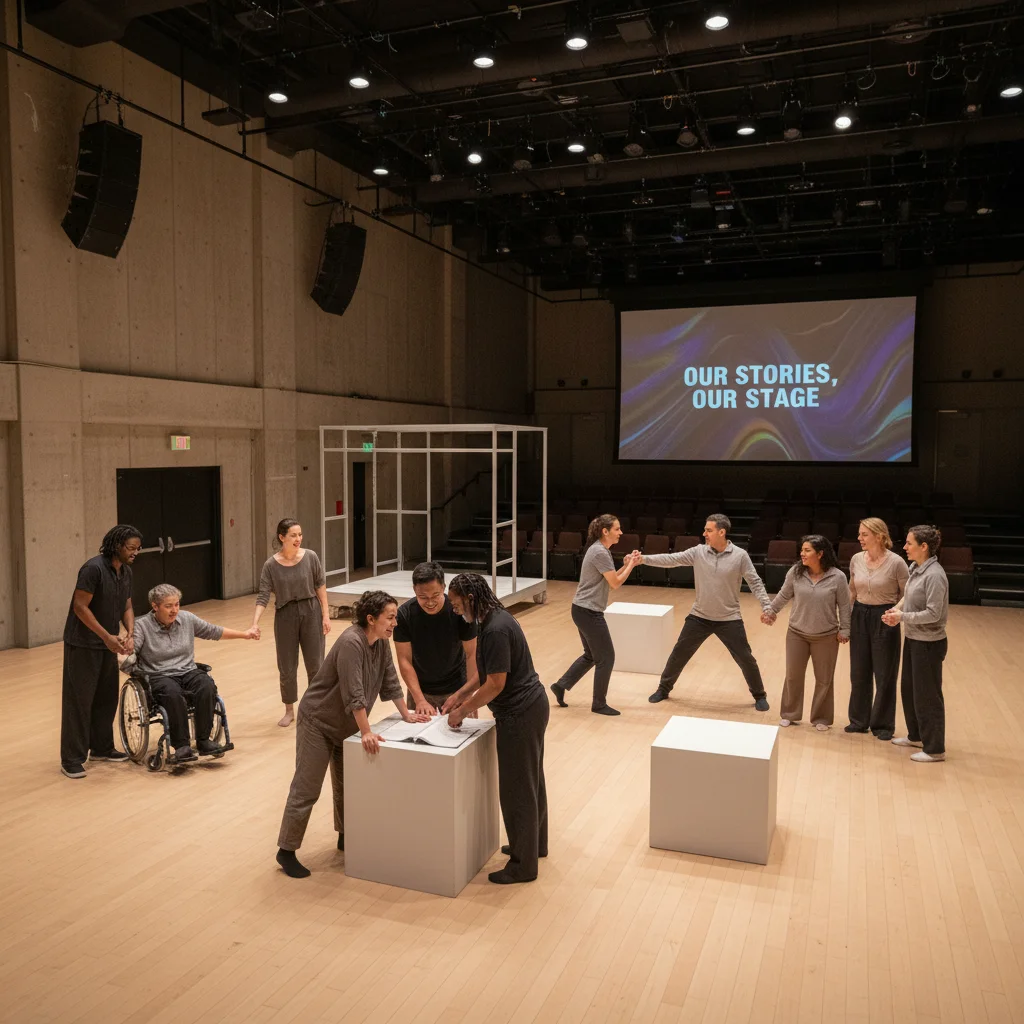
It’s important to recognize that these six movements are not isolated silos but are deeply interconnected, often overlapping and influencing one another. An immersive production might also be deeply rooted in a local community, utilize digital elements, feature a diverse cast, and tackle a pressing social issue. This synergy is what makes the landscape of emerging American theater so exciting and dynamic.
The drive for greater accessibility, for instance, is not just about physical ramps and closed captioning; it extends to making theater financially viable for more people, creating content that resonates with diverse backgrounds, and utilizing digital platforms to reach global audiences. Similarly, the focus on sustainable practices goes hand-in-hand with a broader ethical responsibility that also informs decisions about representation and community engagement.
The future of American theater is one of intentionality. Artists, producers, and audiences are increasingly asking not just "what story are we telling?" but "how are we telling it, who is telling it, who is it for, and what impact will it have?" This thoughtful approach is leading to richer, more meaningful theatrical experiences that are deeply relevant to the contemporary world.
How to Experience Emerging American Theater in 2026
For those eager to experience these exciting developments firsthand, there are several avenues to explore. Keep an eye on local and regional theater listings, as many of the "Main Street" and hyperlocal productions offer incredibly unique and impactful experiences. Seek out independent theater companies and experimental groups, as they are often at the forefront of immersive and digital innovations within emerging American theater.
Major theatrical festivals, both national and international, are excellent places to discover new works and artists pushing boundaries. Many festivals now feature dedicated tracks for digital and hybrid performances, as well as showcases for diverse voices and eco-conscious productions. Don’t forget to follow theater news and critics – both mainstream and independent – to stay informed about groundbreaking shows and companies.
Engage with theaters directly. Many companies offer newsletters, social media channels, and community forums where they share insights into their creative processes and upcoming projects. Participating in talkbacks after performances, attending workshops, or even volunteering can provide deeper insight into the craft and impact of emerging American theater.
The Enduring Power of Live Performance
Despite the rise of digital entertainment and the constant evolution of technology, the fundamental power of live performance remains undiminished. There’s an irreplaceable magic in sharing a space with performers and fellow audience members, experiencing a story unfold in real-time, and feeling the collective gasp, laugh, or tear. The movements discussed above only amplify this power, making theater more relevant, more engaging, and more essential than ever before.
As we move further into 2026, the landscape of American theater will continue to evolve, surprising us with new forms, new voices, and new ways of seeing the world. The commitment to innovation, inclusivity, and social relevance ensures that emerging American theater will not only entertain but will also continue to challenge, inspire, and unite us. Be part of this exciting journey; the stage is set for a truly transformative era in American performance.
From the experimental fringes to the mainstream, the pulse of American theater is strong, vibrant, and incredibly diverse. These emerging movements are not just trends; they are indicators of a profound re-evaluation of theater’s role in society. They reflect a desire for authenticity, connection, and meaningful engagement in an increasingly complex world. Embrace the unexpected, seek out the new, and prepare to be moved by the extraordinary artistry defining emerging American theater in 2026 and beyond.
