U.S. Human Rights Policy: Navigating Global Crises & Recent Responses

Anúncios
U.S. Human Rights Policy: Navigating Global Crises & Recent Responses
The landscape of international relations is perpetually shaped by evolving global crises, and at the heart of many of these challenges lies the imperative of safeguarding human rights. For decades, the United States has positioned itself as a leading advocate for human rights globally, often leveraging its diplomatic, economic, and sometimes military power to influence outcomes. However, the effectiveness and moral consistency of US human rights policy are continually tested by the complex realities of geopolitical dynamics and humanitarian emergencies. In the past six months alone, the world has witnessed several urgent crises demanding a robust and principled response from global powers, particularly the United States.
This article delves into three significant global crises that have emerged or escalated in the recent past and examines the specific policy responses undertaken by the United States. We will explore the nuances of these interventions, assessing their stated goals, the tools employed, and their immediate and potential long-term impacts on the affected populations and the broader international human rights framework. Understanding the intricacies of US human rights policy in these contexts is crucial for comprehending the current state of global governance and the challenges ahead.
The Foundation of U.S. Human Rights Policy
Before dissecting recent responses, it is essential to understand the philosophical and legal underpinnings of US human rights policy. Rooted in the nation’s founding principles and later solidified through international commitments like the Universal Declaration of Human Rights, the U.S. historically views the promotion of human rights as integral to its foreign policy objectives. This commitment is often articulated as a moral imperative, a strategic tool for promoting stability and democracy, and a reflection of American values.
Anúncios
The tools at the disposal of the U.S. government are varied and can include diplomatic engagement, public condemnation, economic sanctions, humanitarian aid, military intervention (though less common for human rights alone), and support for international tribunals and civil society organizations. The selection and application of these tools are often subject to intense debate, weighing national interests against universal human rights principles, and considering the potential for unintended consequences. The efficacy of US human rights policy is thus a dynamic interplay of idealism and pragmatism.
Over the years, various administrations have adopted different approaches to human rights. Some have prioritized quiet diplomacy, believing that private engagement yields better results, while others have favored more public and assertive condemnation. The current administration, like its predecessors, navigates a complex global landscape where human rights abuses are rampant, and the political will and resources to address them are finite. The recent global crises serve as critical case studies for evaluating the contemporary application of US human rights policy.
Crisis 1: Escalating Conflict and Humanitarian Catastrophe in [Fictional Region Name A]
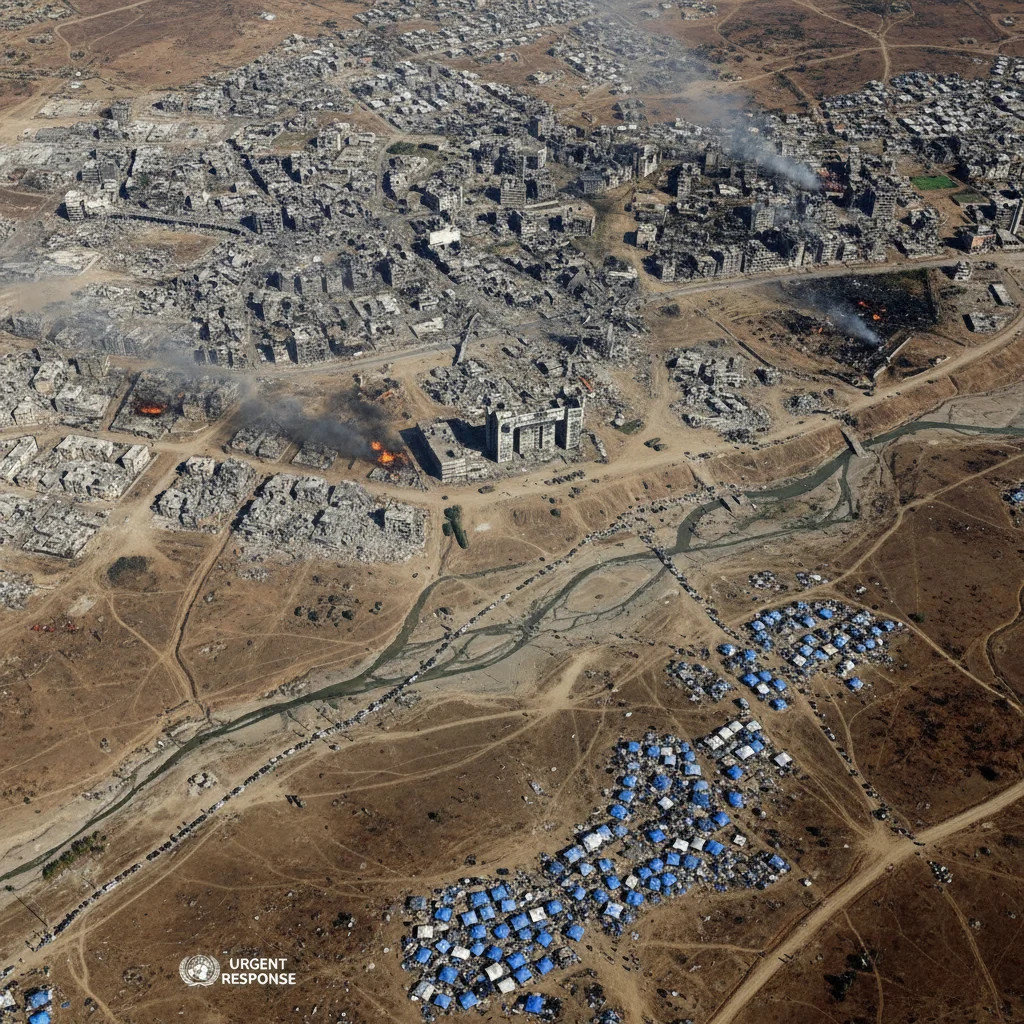
One of the most pressing global challenges in the past six months has been the dramatic escalation of conflict in [Fictional Region Name A], leading to a severe humanitarian catastrophe. Millions have been displaced, countless lives lost, and basic human rights, including the right to life, safety, and access to essential services, have been systematically violated. The conflict, fueled by a complex web of internal political disputes and external interference, has created a dire situation for civilians.
Anúncios
U.S. Policy Response to [Fictional Region Name A]: Diplomatic Pressure and Humanitarian Aid
In response to the crisis in [Fictional Region Name A], the US human rights policy has primarily focused on two key areas: intensive diplomatic pressure and significant humanitarian aid. Diplomatically, the U.S. has engaged extensively with international partners, including the United Nations Security Council, to push for a ceasefire, facilitate humanitarian access, and advocate for a political resolution. High-level envoys have been dispatched to the region, conducting shuttle diplomacy aimed at de-escalating tensions and fostering dialogue between warring factions. Public statements from the State Department and the White House have consistently condemned atrocities and called for accountability for human rights violations.
From a humanitarian perspective, the U.S. has been a leading donor, providing hundreds of millions of dollars in aid through international organizations and NGOs. This aid has focused on providing food security, emergency medical supplies, shelter, and sanitation facilities to displaced populations. The U.S. has also advocated for the protection of humanitarian workers and unimpeded access for aid convoys, often facing significant challenges from belligerent parties. The aim of this aspect of US human rights policy is to alleviate immediate suffering and prevent further loss of life.
Challenges and Criticisms of the Response
Despite these efforts, the U.S. response to the crisis in [Fictional Region Name A] has faced criticism. Some argue that the diplomatic pressure has not been strong enough to compel a ceasefire, pointing to the continued violence and lack of a definitive political breakthrough. Critics also question the effectiveness of humanitarian aid alone without a more robust strategy to address the root causes of the conflict and protect civilians from ongoing attacks. There are concerns that the U.S. has been hesitant to impose more severe sanctions on key actors due to broader geopolitical considerations, thereby undermining the moral weight of its human rights advocacy.
Furthermore, the coordination of international efforts remains a significant challenge, with different global powers having conflicting interests in the region. This fragmentation dilutes the collective impact of human rights advocacy and complicates the implementation of effective solutions. The long-term implications of this crisis for regional stability and the precedent it sets for international intervention continue to be a subject of intense debate regarding the future direction of US human rights policy.
Crisis 2: Repression of Minority Groups in [Fictional Country Name B]
Another critical human rights crisis that has garnered international attention in the last six months is the intensified repression of minority groups in [Fictional Country Name B]. Reports from human rights organizations detail widespread abuses, including arbitrary detention, forced labor, cultural eradication, and restrictions on religious freedom. These actions are often justified by the government as necessary for national security or social stability, but they constitute clear violations of international human rights law.
U.S. Policy Response to [Fictional Country Name B]: Targeted Sanctions and Advocacy
The US human rights policy towards [Fictional Country Name B] has primarily involved targeted sanctions and strong public advocacy. The U.S. government has imposed sanctions under the Global Magnitsky Human Rights Accountability Act on specific officials and entities deemed responsible for human rights abuses. These sanctions aim to freeze assets and restrict travel for individuals implicated in the repression, thereby holding them accountable and deterring further abuses. The intent is to impose a direct cost on perpetrators without broadly harming the general population.
Concurrently, the U.S. State Department has issued numerous statements condemning the actions of [Fictional Country Name B]’s government, raising awareness about the plight of the affected minority groups. U.S. diplomats have also engaged in multilateral forums, urging other nations to join in condemning the abuses and adopting similar restrictive measures. Furthermore, the U.S. has provided support to civil society organizations working to document abuses and provide assistance to victims, often discreetly to avoid further retaliation against these groups by the regime.
Effectiveness and Ethical Considerations
The effectiveness of targeted sanctions as a tool in US human rights policy is a subject of ongoing debate. While they can impose costs on specific individuals, their broader impact on government policy can be limited, especially if the targeted regime is insulated from international pressure or can find alternative economic partners. Critics argue that sanctions, even when targeted, can sometimes have unintended consequences, such as fueling anti-American sentiment or empowering hardliners within the regime who can exploit the narrative of external interference.
Ethical considerations also arise regarding the balance between condemning human rights abuses and maintaining diplomatic channels for engagement on other critical issues, such as climate change or counter-terrorism. The U.S. faces the delicate task of upholding its human rights principles without completely severing ties that might be crucial for broader strategic interests. This tension is a perennial challenge in the application of US human rights policy globally, and particularly in cases where the offending nation holds significant geopolitical sway.
Crisis 3: Democratic Backsliding and Suppression of Dissent in [Fictional Country Name C]
In the past six months, [Fictional Country Name C], a nation previously seen as a nascent democracy, has experienced significant democratic backsliding and an alarming suppression of political dissent. This has included crackdowns on peaceful protests, arbitrary arrests of opposition figures and journalists, restrictions on freedom of assembly and speech, and attempts to undermine independent judicial institutions. These actions threaten to dismantle years of progress towards democratic governance and respect for fundamental freedoms.
U.S. Policy Response to [Fictional Country Name C]: Democracy Promotion and Conditional Aid
The US human rights policy in response to the situation in [Fictional Country Name C] has focused heavily on democracy promotion and the use of conditional aid. The U.S. has publicly expressed deep concern over the erosion of democratic institutions and has called for the immediate release of political prisoners and respect for the rule of law. Through its diplomatic missions, the U.S. has engaged with government officials, urging them to reverse course and uphold their international human rights commitments.
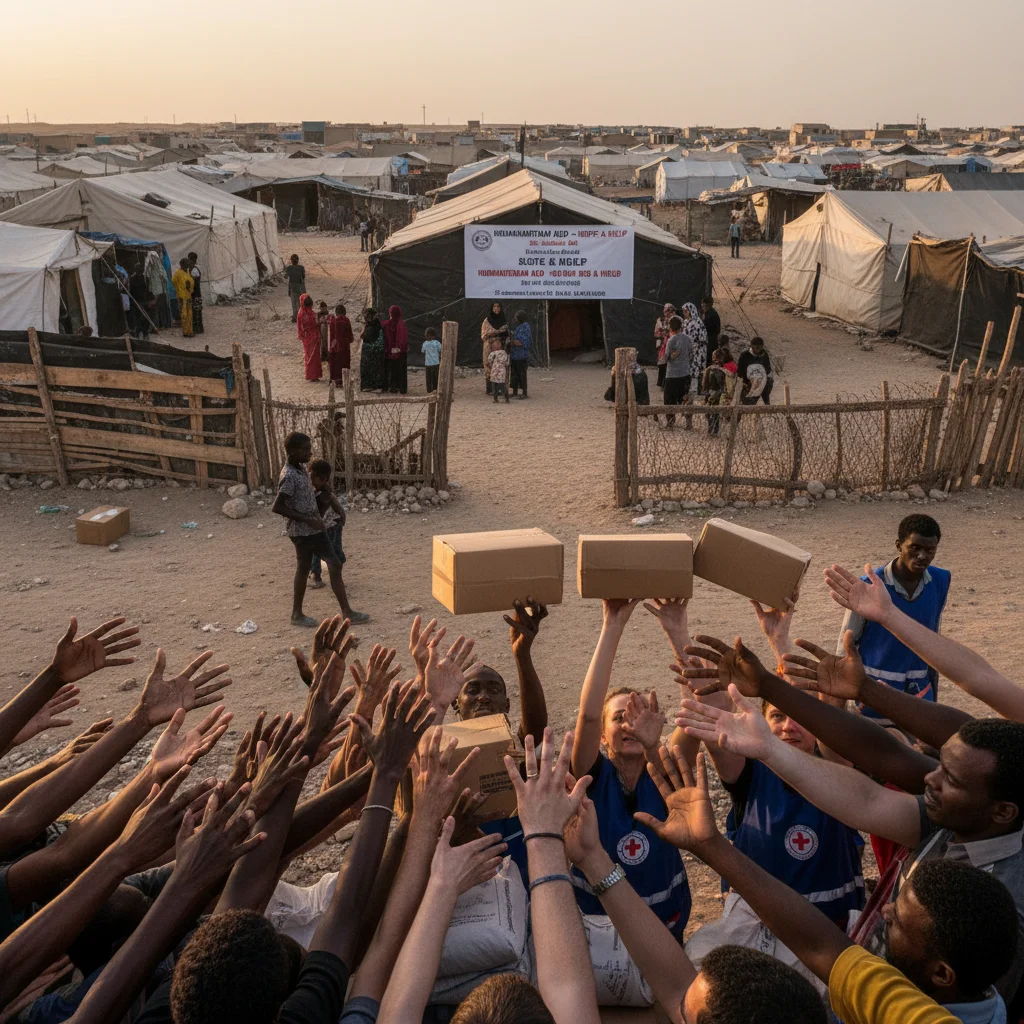
A key aspect of the response has been the re-evaluation and, in some cases, conditioning of foreign assistance. Economic aid and security assistance previously provided to [Fictional Country Name C] have been made contingent on improvements in human rights and democratic governance. The U.S. has also increased support for civil society organizations within [Fictional Country Name C] that are working to promote democracy, defend human rights, and provide legal aid to victims of repression. This includes funding for independent media and election monitoring groups, aiming to bolster the voices of dissent and ensure transparency.
Impact and Future Outlook
The impact of this approach is still unfolding. While conditional aid can exert pressure on governments dependent on international assistance, its effectiveness can vary. Some regimes may be willing to forgo aid if it means maintaining tight control over their populace, especially if they can find alternative sources of funding or political support. Furthermore, the U.S. must carefully balance the desire to promote democracy with the risk of destabilizing an already fragile nation, which could inadvertently worsen human rights conditions.
The long-term outlook for [Fictional Country Name C] and the role of US human rights policy in shaping its future remain uncertain. Sustained international pressure, coupled with robust support for internal democratic forces, will be crucial. The challenge lies in fostering genuine democratic reforms rather than superficial concessions, and ensuring that the U.S. approach is perceived as supportive of the people’s aspirations rather than an imposition of external will. This requires a nuanced understanding of the local context and a willingness to adapt strategies as the situation evolves.
Cross-Cutting Themes and Future Directions for U.S. Human Rights Policy
Analyzing these three distinct crises reveals several cross-cutting themes and challenges pertinent to the future of US human rights policy. Firstly, the consistent tension between national interest and human rights promotion remains a defining feature. While the U.S. often champions human rights, its actions are inevitably shaped by strategic alliances, economic ties, and security concerns. This can lead to perceived inconsistencies, where human rights abuses in some countries are met with strong condemnation and action, while similar abuses in strategically important allies receive a more muted response.
Secondly, the rise of authoritarianism and the erosion of democratic norms globally pose a significant threat to the universal application of human rights. Many nations are increasingly resistant to external pressure, viewing human rights advocacy as interference in their internal affairs. This necessitates a more sophisticated and multilateral approach, where the U.S. works closely with like-minded allies to build a united front and leverage collective influence.
Thirdly, the role of technology in both facilitating and hindering human rights is becoming increasingly prominent. While technology can be a powerful tool for activists and for documenting abuses, it can also be weaponized by authoritarian regimes for surveillance, censorship, and repression. US human rights policy must adapt to this technological frontier, developing strategies to support digital freedom while countering the misuse of technology for human rights violations.
Finally, the growing impact of climate change and environmental degradation on human rights is an emerging area that demands greater attention. Resource scarcity, forced displacement, and health crises exacerbated by climate change disproportionately affect vulnerable populations, creating new dimensions of human rights challenges. Integrating climate justice into US human rights policy will be crucial for a comprehensive and forward-looking approach.
Conclusion: Adapting to a Complex World
The past six months have underscored the enduring relevance and formidable challenges facing US human rights policy. From humanitarian catastrophes fueled by conflict, to the systematic repression of minorities, and the alarming backsliding of democracies, the global landscape is rife with instances where fundamental human rights are under assault. The U.S. has responded with a mix of diplomatic pressure, humanitarian aid, targeted sanctions, and democracy promotion efforts, demonstrating a continued commitment to its stated values.
However, the effectiveness of these responses is often constrained by geopolitical realities, the complexities of international cooperation, and the inherent difficulties in influencing sovereign states. Moving forward, a successful US human rights policy will require not only unwavering commitment to principles but also strategic flexibility, a willingness to forge broad international coalitions, and an adaptive approach that addresses emerging threats like technological repression and the human rights implications of climate change. The journey to a world where human rights are universally respected is long and arduous, but the continued engagement and principled leadership of the United States remain vital in this ongoing struggle.
