Bio-Integrated Devices: Revolutionizing U.S. Healthcare by 2026
Anúncios
The Rise of Bio-Integrated Devices: 4 Crucial Developments Impacting U.S. Healthcare Technology in 2026
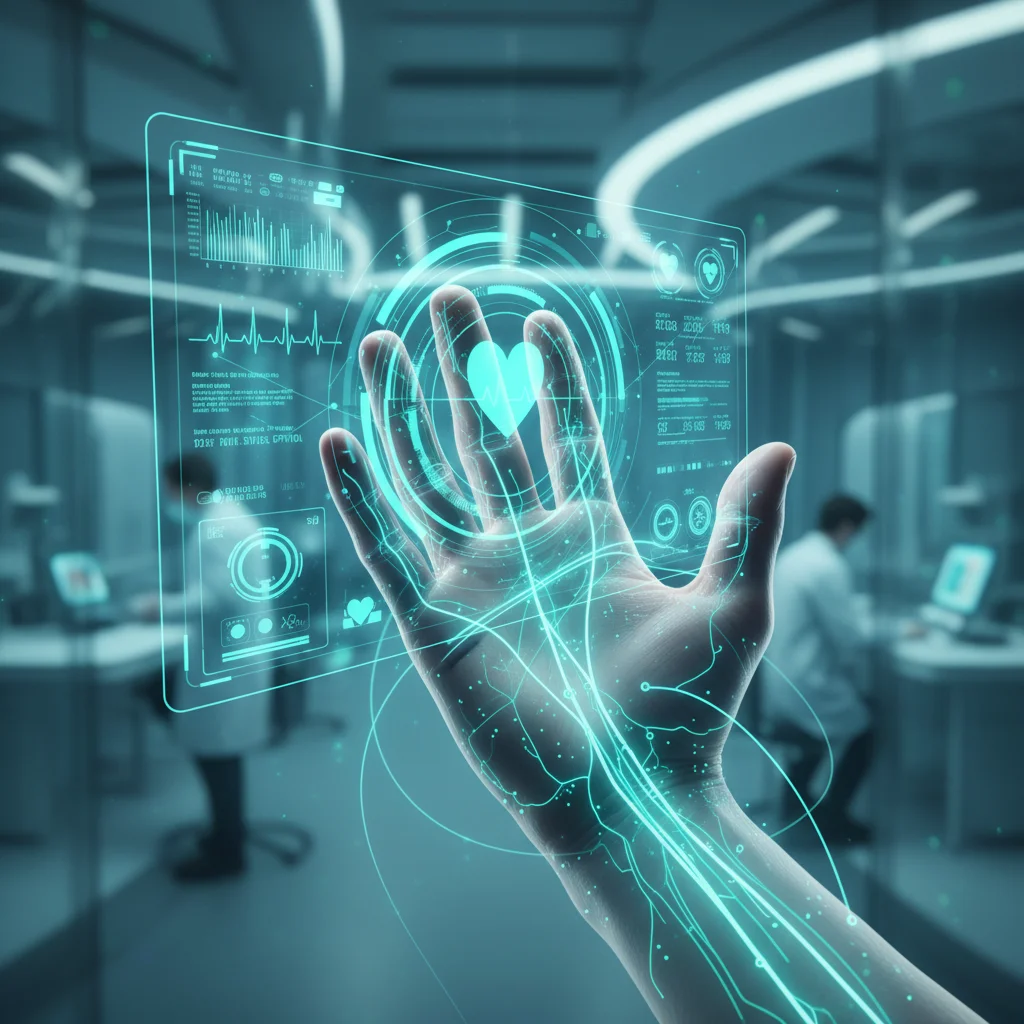
The future of healthcare is not just about bigger machines or more potent drugs; it’s about seamless integration with the human body. As we approach 2026, the United States healthcare sector is on the brink of a monumental shift, propelled by advancements in bio-integrated medical devices. These revolutionary technologies, designed to work in harmony with biological systems, are poised to redefine diagnostics, treatment, and personalized patient care. From microscopic sensors embedded within tissues to sophisticated wearable systems that monitor health with unprecedented precision, the impact of bio-integrated devices will be profound and far-reaching. This article will explore four crucial developments that are set to reshape U.S. healthcare technology in the coming years, offering a glimpse into a healthier, more connected future.
1. Advanced Biocompatible Implants and Next-Generation Prosthetics
One of the most transformative areas in bio-integrated medical devices is the evolution of biocompatible implants and prosthetics. Traditionally, implants have faced challenges related to rejection, infection, and limited functionality. However, by 2026, we anticipate a significant leap forward in materials science and engineering that will mitigate these issues and introduce capabilities previously confined to science fiction.
Breakthroughs in Material Science for Implants
The development of novel biocompatible materials is central to this revolution. We are seeing a shift towards advanced polymers, ceramics, and metallic alloys that are not only inert but actively promote tissue integration. Researchers are developing materials that mimic the mechanical and biochemical properties of natural tissues, reducing inflammatory responses and encouraging cellular adhesion. For instance, porous titanium alloys treated with biologically active coatings are proving highly effective in promoting bone growth around orthopedic implants, leading to stronger, more stable fusions and dramatically shortening recovery times. Similarly, new generations of hydrogels and biodegradable polymers are being engineered for drug delivery systems and temporary scaffolds that dissolve harmlessly after serving their purpose, eliminating the need for secondary surgeries.
Neural Interfaces and Bionic Prosthetics
Perhaps the most exciting development lies in the realm of neural interfaces and bionic prosthetics. The ability to directly connect prosthetic limbs to the nervous system is no longer a distant dream. By 2026, sophisticated neural interfaces will allow individuals with limb loss to control advanced prosthetic devices with their thoughts, providing intuitive movement and even tactile feedback. These bio-integrated devices will translate neural signals into motor commands for the prosthetic and, conversely, convert sensory information from the prosthetic back into neural signals for the brain. This bidirectional communication will restore a sense of embodiment and functionality that goes far beyond current prosthetic capabilities. Imagine a prosthetic hand that can feel the texture and temperature of an object, or a bionic leg that responds instinctively to changes in terrain. Such advancements will not only improve the quality of life for amputees but also pave the way for future neuroprosthetics that could restore sight, hearing, or even cognitive functions.
Anúncios
Smart Implants for Continuous Monitoring and Drug Delivery
Beyond replacement and restoration, implants are becoming ‘smart.’ Miniaturized sensors integrated into pacemakers, stents, and even organ implants will continuously monitor physiological parameters, providing real-time data to healthcare providers. These bio-integrated medical devices can detect early signs of complications, such as inflammation or rejection, allowing for timely intervention. Furthermore, advanced drug delivery systems embedded within implants can release therapeutic agents precisely when and where needed, optimizing treatment efficacy and minimizing systemic side effects. For example, an implantable device could detect rising glucose levels and automatically release insulin, or sense an impending epileptic seizure and deliver an anti-convulsant. This level of personalized, autonomous care represents a significant paradigm shift in chronic disease management.
2. Wearable and Implantable Biosensors for Proactive Health Management
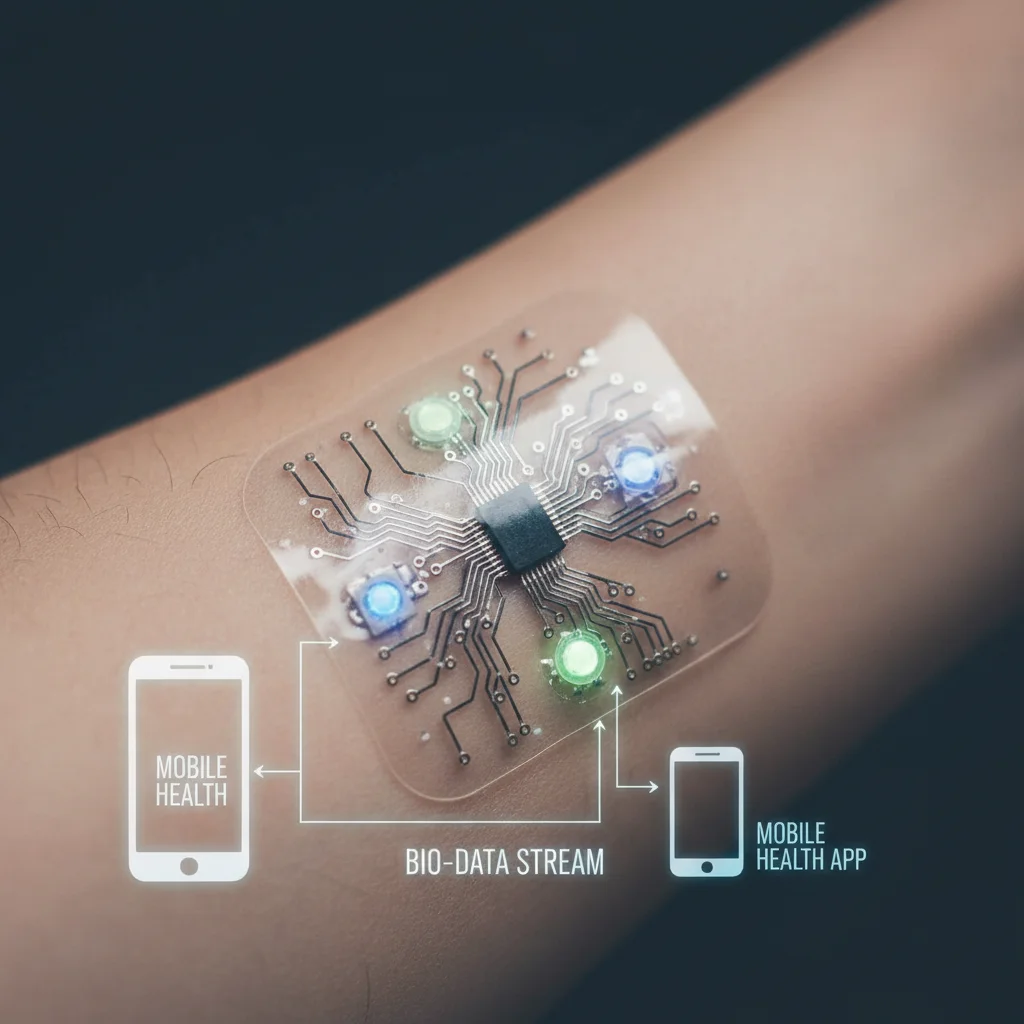
The second crucial development revolves around the proliferation of wearable and implantable biosensors, transforming reactive healthcare into a proactive, preventative model. These bio-integrated medical devices are moving beyond simple fitness trackers to sophisticated diagnostic tools that provide continuous, high-fidelity data streams.
Continuous Glucose Monitoring (CGM) and Beyond
Continuous Glucose Monitoring (CGM) devices have already revolutionized diabetes management, offering real-time glucose levels without the need for frequent finger pricks. By 2026, this technology will become even more refined, smaller, and less obtrusive, potentially integrating directly into subcutaneous implants that last for months or even years. But the application of continuous monitoring extends far beyond glucose. Researchers are developing bio-integrated sensors capable of continuously tracking a myriad of biomarkers, including lactate, cortisol, electrolytes, and even specific protein markers indicative of disease onset or progression. These sensors, often integrated into flexible patches or micro-implants, will provide an unprecedented window into an individual’s physiological state.
Anúncios
Early Disease Detection and Personalized Risk Assessment
The power of continuous biosensing lies in its ability to detect subtle changes in physiological parameters that might signal the early stages of a disease long before symptoms appear. For example, an implantable sensor could detect minute fluctuations in inflammatory markers that precede an autoimmune flare-up, or changes in cardiac biomarkers that indicate an increased risk of a heart attack. This early detection capability will enable highly personalized risk assessments and preventative interventions, moving healthcare from a ‘treat the sick’ model to a ‘keep healthy’ paradigm. Data collected from these bio-integrated medical devices, combined with AI-driven analytics, will allow healthcare providers to identify at-risk individuals and tailor preventative strategies with remarkable precision.
Integration with Digital Health Platforms and AI
The data generated by these advanced biosensors will not exist in a vacuum. It will seamlessly integrate with digital health platforms, electronic health records (EHRs), and AI-powered diagnostic tools. Machine learning algorithms will analyze vast datasets from millions of users, identifying patterns and correlations that human clinicians might miss. This integration will create a powerful feedback loop, where real-time physiological data informs AI models, which in turn provide personalized insights and recommendations to both patients and providers. Imagine an AI assistant alerting you to potential dehydration based on your sweat electrolyte levels and heart rate, or suggesting a dietary adjustment based on your continuous metabolic profile.
3. Miniaturized Robotics and Nanotechnology for Targeted Therapies
The third major development driving the future of bio-integrated medical devices is the application of miniaturized robotics and nanotechnology for highly targeted therapies. This field promises to revolutionize drug delivery, minimally invasive surgery, and disease treatment at the cellular level.
Nanobots for Precision Drug Delivery
While still in early stages, the concept of nanobots – microscopic robots capable of navigating the human body – is rapidly moving from science fiction to scientific reality. By 2026, we expect to see significant progress in the development of biocompatible nanobots designed for precision drug delivery. These tiny machines could be engineered to carry therapeutic payloads directly to diseased cells or tissues, such as cancer cells or inflamed joints, minimizing systemic side effects and maximizing treatment efficacy. Imagine a chemotherapy drug delivered only to tumor cells, sparing healthy tissue from its toxic effects. This level of targeting holds immense promise for treating a wide range of diseases, from cancer to autoimmune disorders, with unprecedented specificity.
Micro-Robots for Minimally Invasive Diagnostics and Surgery
Beyond nanobots, micro-robots are already making inroads into clinical applications. These millimeter-scale devices can navigate complex anatomical structures, performing diagnostic procedures or surgical interventions with minimal invasiveness. For example, ingestible capsules equipped with cameras and sensors can provide detailed imaging of the gastrointestinal tract, while steerable micro-catheters can deliver therapies directly to specific areas of the brain or heart. By 2026, these bio-integrated medical devices will become more sophisticated, autonomous, and widely adopted, reducing the need for traditional invasive surgeries, shortening recovery times, and improving patient outcomes. The ability to perform biopsies, remove small lesions, or deliver localized treatments with unparalleled precision will transform surgical practice.
Cellular-Level Interventions and Diagnostics
Nanotechnology also enables interventions at the cellular and even molecular level. Nanosensors can detect disease markers within individual cells, providing ultra-early diagnostic capabilities. Nanoparticles can be engineered to interact with specific cellular pathways, offering novel therapeutic avenues for conditions like genetic disorders or neurodegenerative diseases. The integration of these nanotechnologies with bio-integrated devices means that future medical interventions could be tailored with exquisite precision, addressing the root causes of disease rather than just managing symptoms. This represents a fundamental shift in our approach to medicine, moving towards truly personalized and preventative care at the most fundamental biological level.
4. Enhanced Human-Machine Interfaces and Personalized Healthcare Ecosystems
The fourth critical development is the evolution of human-machine interfaces (HMIs) and the creation of comprehensive, personalized healthcare ecosystems centered around bio-integrated medical devices. This goes beyond individual devices to how these technologies interact with us and our broader health environment.
Intuitive and Adaptive User Experiences
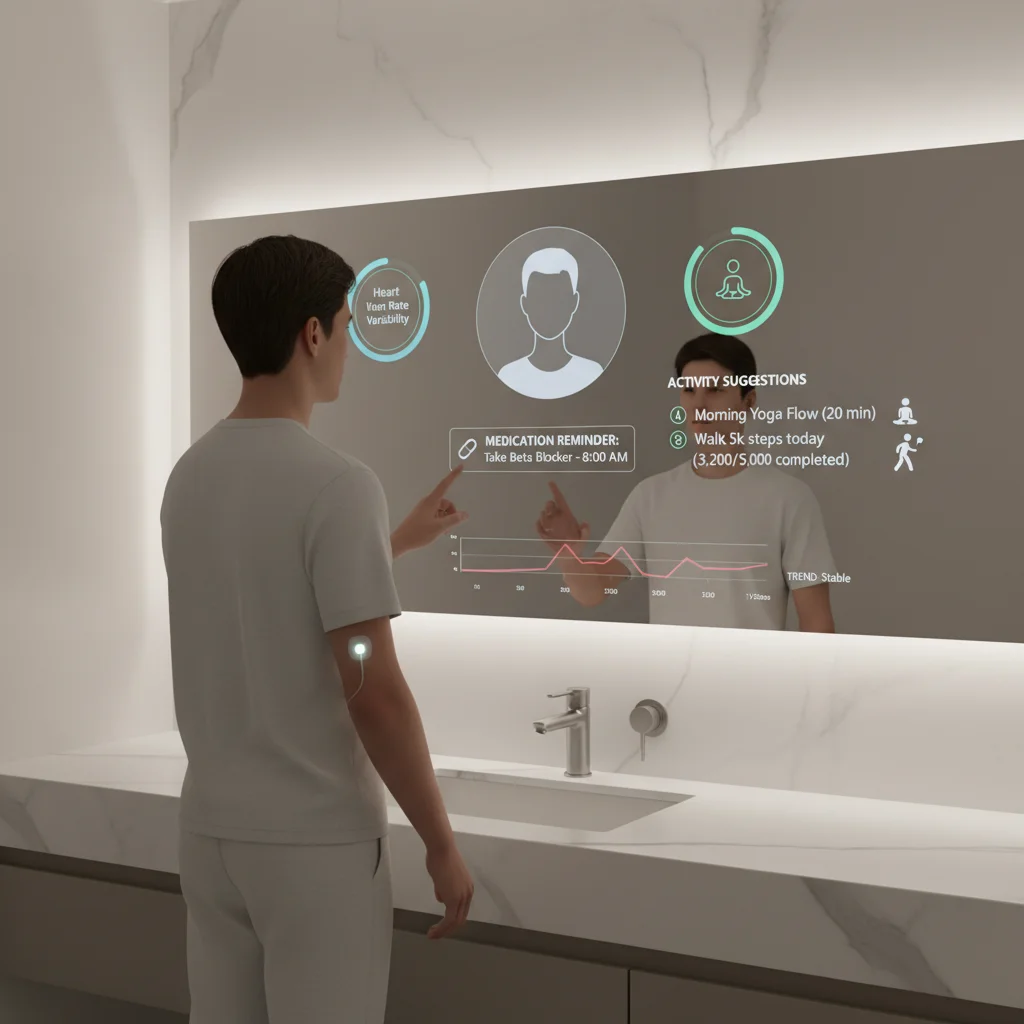
As bio-integrated devices become more prevalent, the interfaces through which we interact with them will become increasingly intuitive and adaptive. Voice commands, gesture control, and even brain-computer interfaces (BCIs) will allow seamless interaction with health monitoring systems and therapeutic devices. These HMIs will learn individual preferences and physiological responses, providing personalized feedback and recommendations. For example, a smart contact lens could project real-time health data directly into your field of vision, or a neural implant could translate your intentions into actions for an external device, blurring the lines between human and technology.
The Personalized Healthcare Ecosystem
By 2026, the vision of a personalized healthcare ecosystem will be much closer to reality, driven by bio-integrated devices. This ecosystem will connect an individual’s various health data sources – from wearable sensors and implantable devices to electronic health records, genetic information, and even environmental data – into a unified, intelligent platform. This platform, powered by AI and machine learning, will provide a holistic view of an individual’s health, offering predictive insights, personalized wellness plans, and on-demand access to virtual care. This means that your bio-integrated devices won’t just collect data; they will be part of a larger system that understands your unique physiology, lifestyle, and health goals, providing truly tailored guidance and interventions.
Virtual Care, Telemedicine, and Remote Monitoring Enhancements
The integration of advanced bio-integrated medical devices will significantly enhance virtual care and telemedicine capabilities. Remote patient monitoring will move beyond basic vital signs to include complex physiological data, allowing healthcare providers to manage chronic conditions more effectively and intervene proactively from a distance. Virtual consultations will be enriched with real-time, high-fidelity patient data, making remote diagnoses more accurate and treatment plans more precise. This will be particularly impactful for patients in rural areas, those with limited mobility, or individuals managing complex chronic diseases, expanding access to high-quality care and reducing the burden on traditional healthcare infrastructure.
Challenges and Ethical Considerations
While the promise of bio-integrated medical devices is immense, their widespread adoption by 2026 will not be without challenges. Several critical issues must be addressed to ensure their safe, equitable, and ethical integration into U.S. healthcare.
Data Privacy and Security
The sheer volume of sensitive health data collected by these devices raises significant concerns about privacy and security. Robust cybersecurity measures will be paramount to protect patient information from breaches and misuse. Regulations will need to evolve to ensure data anonymization, consent, and secure storage, building public trust in these advanced technologies. Patients must have control over who accesses their data and how it is used.
Regulatory Frameworks and Approval Processes
The rapid pace of innovation in bio-integrated devices often outstrips existing regulatory frameworks. The FDA and other regulatory bodies will need to adapt their approval processes to evaluate the safety and efficacy of these complex, often AI-driven devices. This includes developing new standards for biocompatibility, long-term performance, and the ethical implications of integrating technology directly with biological systems. A balance must be struck between fostering innovation and ensuring patient safety.
Accessibility and Equity
As with any cutting-edge technology, there is a risk that bio-integrated medical devices could exacerbate existing health disparities. Ensuring equitable access, regardless of socioeconomic status or geographic location, will be a critical challenge. This will require thoughtful policy interventions, affordable pricing models, and robust infrastructure development to prevent the creation of a two-tiered healthcare system where only the privileged can benefit from these life-changing advancements.
Ethical Implications of Human Augmentation
The line between therapeutic intervention and human augmentation becomes increasingly blurred with advanced bio-integrated devices. Ethical discussions around enhancing human capabilities – cognitive, physical, or sensory – will intensify. Society will need to grapple with questions about what constitutes ‘normal,’ the potential for unfair advantages, and the long-term societal impact of integrating technology so intimately with the human body. These are not just scientific questions but profound philosophical and societal debates that will shape the future of humanity.
Conclusion: A Healthier, Integrated Future
The trajectory of healthcare technology in the U.S. by 2026 is unmistakably pointed towards a future where bio-integrated medical devices play a central, transformative role. From advanced prosthetics that restore natural function to intelligent biosensors that predict disease, and from nanobots that deliver precision therapies to comprehensive personalized health ecosystems, these innovations promise a healthier, more proactive, and deeply personalized approach to medicine.
While significant challenges in data security, regulation, accessibility, and ethics remain, the potential benefits are too compelling to ignore. The ongoing collaboration between engineers, biologists, clinicians, and policymakers will be crucial in navigating these complexities and realizing the full promise of bio-integrated devices. As these technologies mature and become more integrated into our daily lives, they will not only extend our lifespans but also profoundly enhance our quality of life, offering unprecedented control over our health and well-being. The revolution of bio-integrated medicine is not just coming; it is already here, shaping the future of U.S. healthcare one innovation at a time.
