The Future of Fitness: 7 Innovative Trends Shaping Workouts in 2026
Anúncios
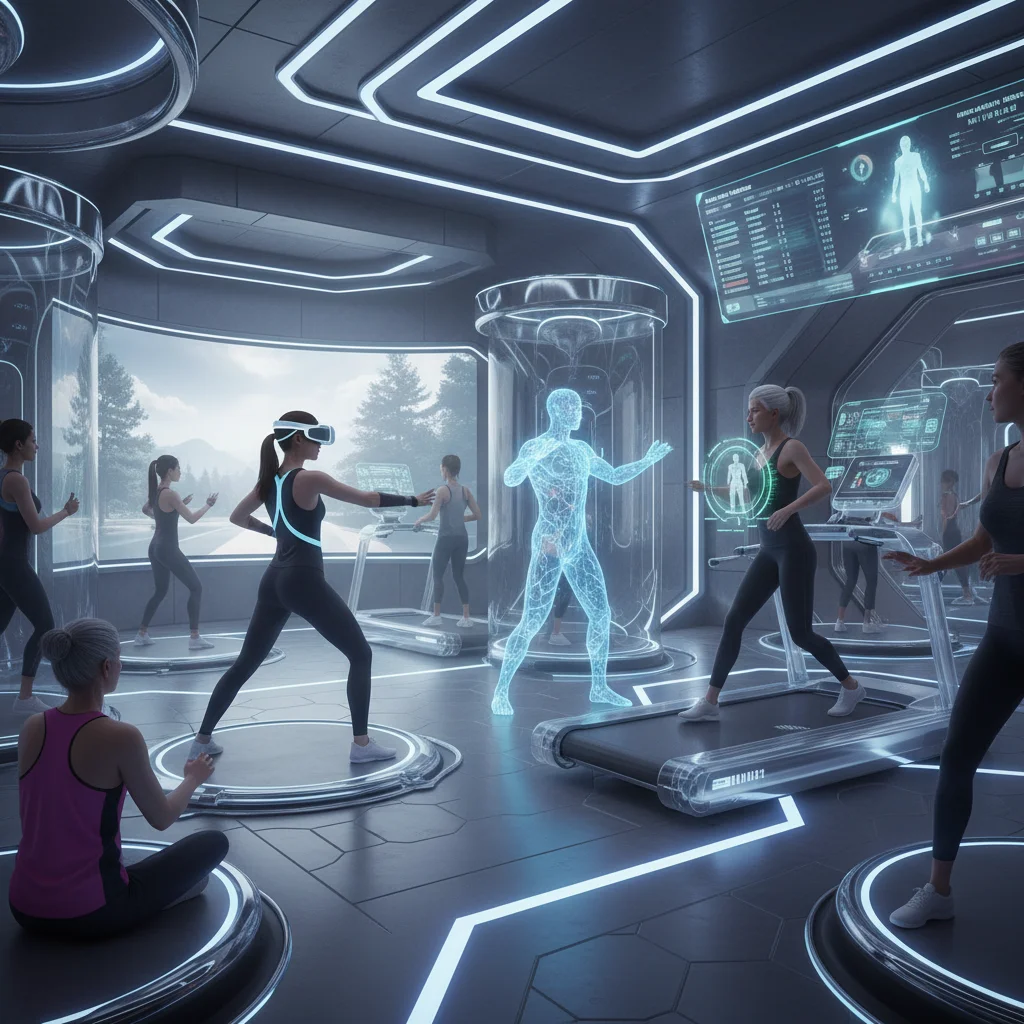
The world of fitness is in a constant state of evolution, driven by technological advancements, scientific discoveries, and a growing global emphasis on health and well-being. As we sprint towards 2026, the landscape of workouts, wellness, and personal performance is set to undergo a transformative shift. Gone are the days of one-size-fits-all routines; the future promises hyper-personalized, immersive, and data-driven experiences that cater to individual needs and preferences like never before. Understanding these future fitness trends is not just about staying current; it’s about preparing for a healthier, more efficient, and more engaging approach to physical activity.
The integration of artificial intelligence, virtual reality, and advanced biometrics is moving from niche applications to mainstream fitness solutions. These innovations are not merely gadgets; they are fundamental shifts in how we perceive, plan, and execute our fitness journeys. From the comfort of our homes to specialized wellness hubs, the way we interact with exercise is becoming more fluid, intelligent, and interconnected. This article delves into seven innovative future fitness trends that are poised to redefine workouts in 2026, offering a glimpse into what your fitness regimen might look like very soon.
Prepare to explore how these groundbreaking developments will empower you to achieve your health goals, optimize your performance, and make fitness an even more integral and enjoyable part of your daily life. Let’s dive into the future of fitness!
Anúncios
1. Hyper-Personalized AI Coaching and Adaptive Workouts
One of the most significant future fitness trends emerging is the rise of hyper-personalized AI coaching and adaptive workouts. Imagine having a fitness coach that knows your body better than you do, adjusting your routine in real-time based on your sleep quality, stress levels, nutrition, and even your mood. This isn’t science fiction; it’s the reality rapidly approaching us.
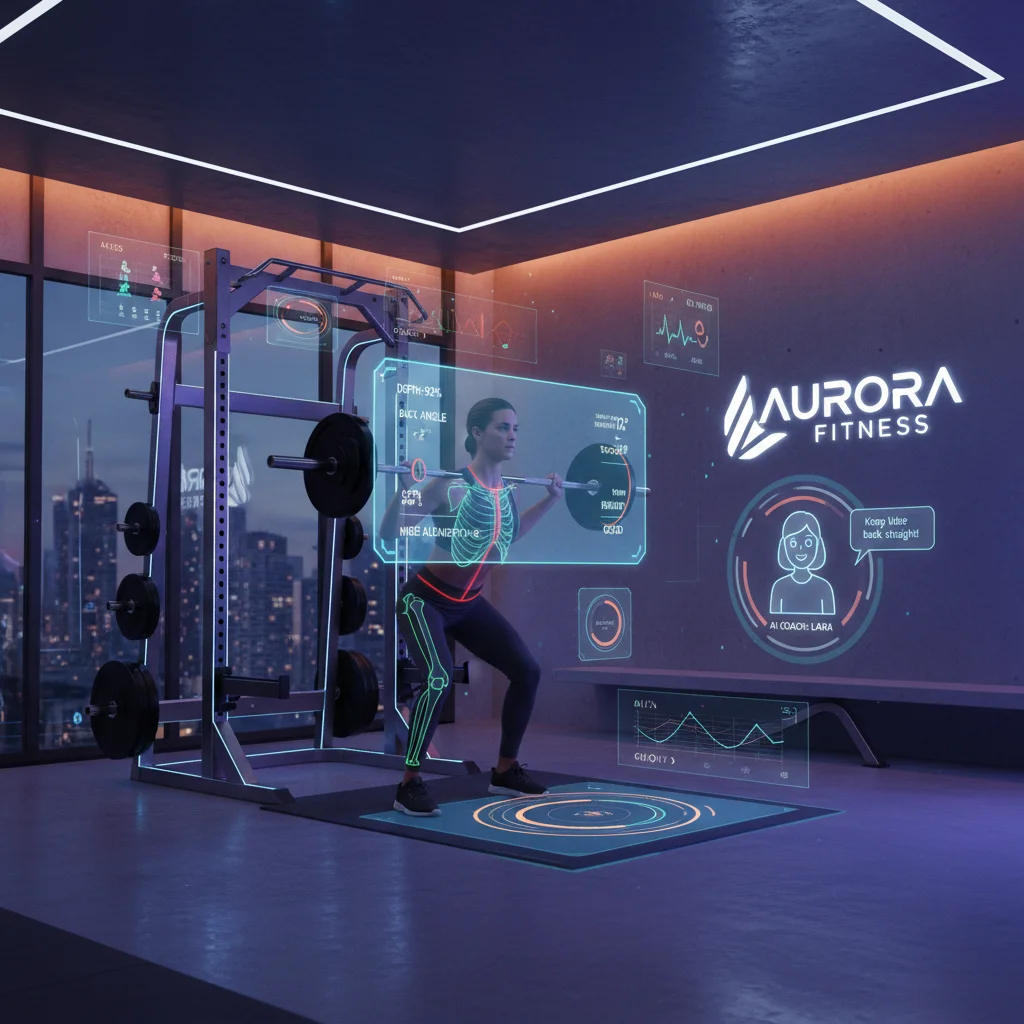
AI-powered platforms will leverage vast amounts of data collected from wearables, smart gym equipment, and even genetic information to create truly bespoke training programs. These programs won’t just recommend exercises; they’ll dynamically alter intensity, volume, and recovery periods. For instance, if your smartwatch detects poor sleep, your AI coach might suggest a low-impact yoga session instead of an intense HIIT workout, or recommend specific stretches to alleviate muscle tension detected from your posture analysis.
The beauty of adaptive workouts lies in their ability to prevent overtraining, minimize injury risk, and maximize efficiency. Users will receive immediate, actionable feedback on their form, progress, and areas for improvement, all delivered through intuitive interfaces. This level of personalization moves beyond generic fitness apps, offering a truly individualized experience that evolves with you, making fitness more effective and sustainable for everyone.
Anúncios
The Science Behind AI Personalization
At its core, AI personalization in fitness relies on sophisticated machine learning algorithms. These algorithms analyze patterns in biometric data (heart rate, HRV, sleep cycles), activity logs, dietary intake, and even psychological inputs (mood tracking). By identifying correlations and predicting optimal responses, the AI can then generate tailored recommendations. For example, if a user consistently experiences muscle soreness after a particular exercise, the AI can suggest modifications or alternative movements to achieve similar results without discomfort.
Furthermore, AI can learn from collective data while still tailoring to the individual. This means that as more people use these systems, the AI becomes smarter at recognizing diverse body types, fitness goals, and response mechanisms. This continuous learning cycle ensures that the coaching provided is always at the cutting edge of fitness science and personal optimization.
2. Immersive Virtual Reality (VR) and Augmented Reality (AR) Workouts
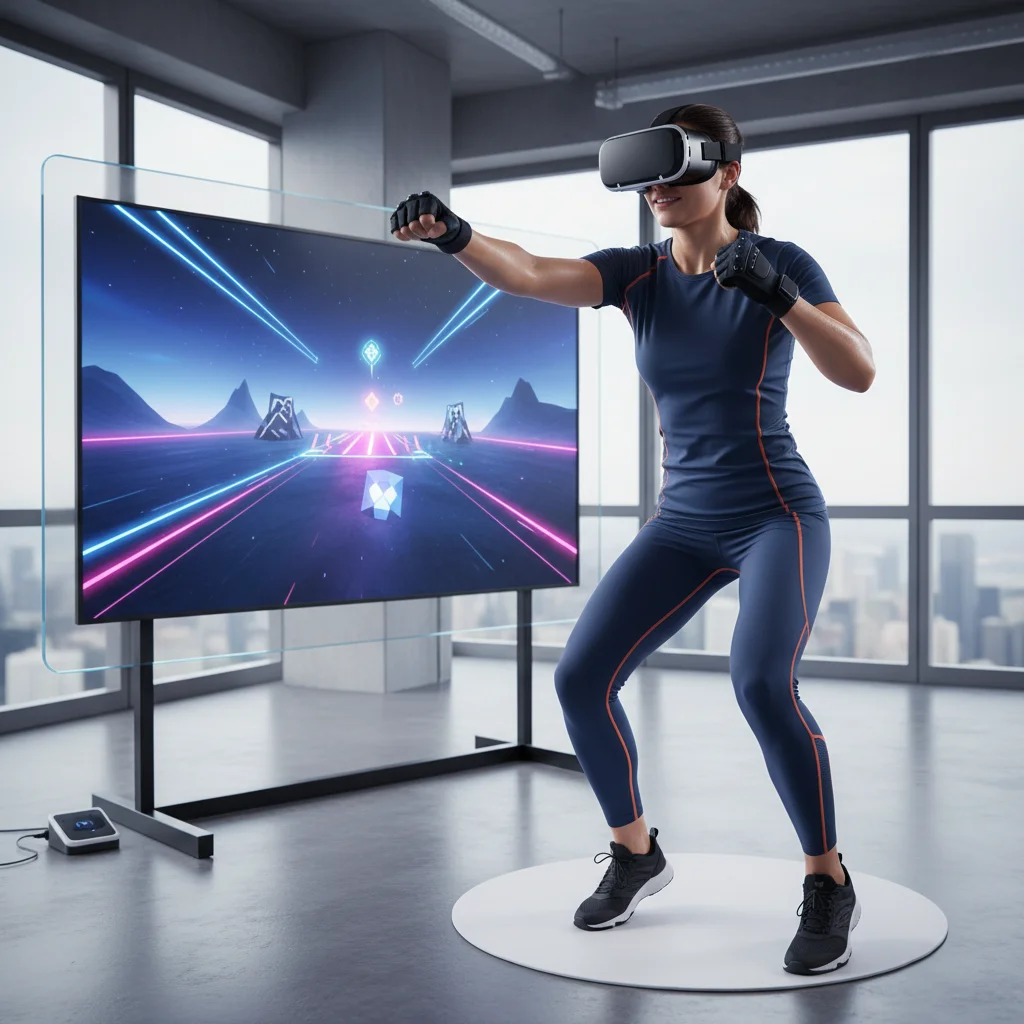
The convergence of gaming and exercise is giving birth to incredibly engaging immersive VR and AR workouts, a major future fitness trend. Forget monotonous treadmill runs; imagine exploring fantastical worlds, battling virtual foes, or competing in futuristic sports, all while getting a rigorous cardiovascular and strength workout.
VR fitness is gaining traction as headsets become more affordable and sophisticated. Users can step into virtual environments that transform exercise into an adventure. Games like Beat Saber or Supernatural already offer compelling full-body workouts. By 2026, we’ll see an explosion of more complex, interactive VR fitness applications that combine physical exertion with mental engagement, making workouts feel less like a chore and more like an exciting escape.
AR, on the other hand, superimposes digital information onto the real world. Think smart mirrors that project a virtual trainer into your living room, or smart glasses that guide you through outdoor runs with overlayed metrics and scenic routes. AR can turn your home into a personalized gym, complete with interactive elements and real-time feedback, without completely disconnecting you from your physical surroundings. This blend of the digital and physical offers a unique and highly motivating fitness experience.
Beyond Entertainment: The Efficacy of VR/AR Fitness
While the entertainment factor is undeniable, the efficacy of VR and AR fitness is also a key driver of this trend. Studies have shown that users often exert themselves more intensely and for longer durations when engaged in VR fitness due to the distraction and immersive nature of the experience. The gamification aspect provides intrinsic motivation, helping individuals adhere to their fitness routines more consistently.
Moreover, VR and AR can offer access to training environments and experiences that would otherwise be inaccessible. Imagine doing a guided yoga session on a virtual mountaintop, or training for a marathon in a simulated Olympic stadium. These technologies break down geographical and financial barriers, making diverse and high-quality fitness experiences available to a broader audience.
3. Bio-Hacking for Performance and Recovery
Bio-hacking, once a fringe concept, is rapidly becoming a mainstream future fitness trend focused on optimizing human performance and recovery through data-driven interventions. This involves using advanced technologies and personalized strategies to understand and enhance the body’s natural capabilities.
Wearable devices will evolve far beyond step counters, offering continuous, non-invasive monitoring of biomarkers like glucose levels, lactate thresholds, hydration status, and even micro-nutrient deficiencies. This real-time data will allow individuals and their AI coaches to make immediate adjustments to training, nutrition, and sleep protocols to optimize performance and accelerate recovery. For example, a device might detect elevated cortisol levels indicating stress, prompting a recommendation for meditation or a lighter workout.
Advanced recovery tools, such as intelligent compression garments, personalized cryotherapy chambers, and neurofeedback devices, will also become more accessible. These tools, guided by biometric data, will deliver targeted interventions to reduce inflammation, improve circulation, and enhance mental clarity, ensuring athletes and everyday fitness enthusiasts can train harder and recover faster.
The Ethical Considerations of Bio-Hacking
As bio-hacking becomes more sophisticated, ethical considerations surrounding data privacy, accessibility, and the potential for performance-enhancing technologies will become increasingly important. Ensuring that these advanced tools are used responsibly and equitably will be crucial for the sustained growth and positive impact of this future fitness trend.
Transparency in data collection and usage, along with robust security measures, will be paramount to building user trust. Additionally, addressing the cost of advanced bio-hacking technologies will be essential to prevent widening the gap between those who can afford optimal health and those who cannot. The goal should be to democratize these powerful tools, making them accessible to a broader population for general well-being, not just elite performance.
4. Gamified Fitness and Esports Integration
Gamification has proven to be a powerful motivator, and its integration into fitness is set to explode as a prominent future fitness trend. Beyond VR games, we’ll see more sophisticated platforms that turn every aspect of fitness into a competitive or cooperative challenge.
Imagine earning points, unlocking achievements, and climbing leaderboards for hitting your daily step count, completing a workout, or maintaining a healthy diet. These systems will leverage behavioral psychology to encourage consistent engagement. Furthermore, the line between traditional sports and esports will blur. We could see competitive fitness leagues using VR or AR, where physical prowess combined with strategic thinking determines winners.
Esports athletes themselves will increasingly incorporate specialized physical training to enhance their cognitive performance, reaction times, and endurance, recognizing the undeniable link between physical health and mental acuity. This symbiotic relationship will create new avenues for fitness professionals and open up exciting career paths in the rapidly expanding world of competitive digital and physical hybrid activities.
Community and Social Engagement in Gamified Fitness
A key aspect of gamified fitness is its ability to foster community and social engagement. Users can compete with friends, join virtual teams, and participate in global challenges, adding a layer of social accountability and motivation. This sense of belonging and shared purpose can significantly increase adherence to fitness programs, especially for those who struggle with self-motivation.
Leaderboards, badges, and virtual rewards create a positive feedback loop, reinforcing healthy behaviors. Moreover, the social aspect can extend to real-world meetups and events, bridging the gap between online interaction and tangible community building, further solidifying gamification as a powerful future fitness trend.
5. Sustainable and Eco-Conscious Fitness
As environmental awareness grows, sustainable and eco-conscious fitness will become a non-negotiable future fitness trend. Consumers are increasingly seeking brands and services that align with their values, and the fitness industry is no exception.
This trend encompasses everything from gym design to apparel and equipment. We’ll see more gyms powered by renewable energy, utilizing recycled and sustainably sourced materials for their interiors and equipment. Energy-generating exercise machines, where the energy produced during a workout contributes to the gym’s power supply, will become more common.
Fitness apparel will shift towards eco-friendly fabrics made from recycled plastics, organic cotton, or innovative biodegradable materials. Brands will emphasize ethical supply chains and minimal environmental impact. Outdoor fitness activities, which inherently promote connection with nature, will also see a resurgence, with a focus on responsible practices and conservation. This holistic approach to wellness will extend beyond personal health to planetary health.
The Business Case for Sustainable Fitness
Beyond ethical considerations, there’s a strong business case for adopting sustainable fitness practices. Brands and gyms that prioritize eco-consciousness can attract a growing segment of environmentally aware consumers, fostering loyalty and positive public perception. Investing in energy-efficient equipment and renewable energy sources can also lead to long-term cost savings.
Moreover, partnerships with environmental organizations and community initiatives focused on sustainability can enhance a brand’s reputation and create unique marketing opportunities. As consumers become more discerning, sustainability will evolve from a niche offering to a fundamental expectation within the fitness industry, making it a critical future fitness trend for businesses to embrace.
6. Mental Wellness Integrated into Physical Training
The understanding that physical and mental health are inextricably linked will drive mental wellness to be a deeply integrated future fitness trend within physical training programs. The traditional focus solely on physical metrics will expand to include cognitive and emotional well-being.
Fitness apps and trainers will incorporate mindfulness exercises, guided meditations, and stress-reduction techniques directly into workout routines. For example, a post-workout cool-down might include a guided breathing exercise, or an AI coach might recommend a short meditation session based on detected stress levels. Gyms will offer dedicated spaces for mindfulness and recovery, such as meditation rooms or sensory deprivation tanks.
Furthermore, training programs will be designed to enhance cognitive functions like focus, memory, and problem-solving, not just physical strength or endurance. This holistic approach recognizes that peak performance, whether in the gym or in daily life, requires a healthy mind as much as a healthy body. This integration will lead to more balanced and effective wellness journeys.
The Scientific Basis for Mind-Body Integration
Research continues to highlight the profound impact of mental state on physical performance and recovery. Chronic stress can impair muscle growth, increase injury risk, and hinder recovery. Conversely, mindfulness and stress reduction techniques have been shown to improve focus, reduce pain perception, and enhance athletic performance.
Neuroscience is also revealing how certain types of physical activity can stimulate neurogenesis and improve cognitive function. By intentionally designing fitness programs that address both physical and mental aspects, trainers and platforms can unlock new levels of human potential. This scientific backing reinforces the importance of mental wellness as a core future fitness trend, moving it beyond a mere add-on to an essential component of overall health.
7. Micro-Workouts and Movement Snacks
In an increasingly busy world, the concept of micro-workouts and movement snacks will gain significant traction as a practical and effective future fitness trend. These are short, intense bursts of physical activity (5-15 minutes) scattered throughout the day, designed to combat sedentary lifestyles and boost overall health without requiring a dedicated gym session.
Driven by smart reminders and AI scheduling, individuals will be prompted to take a 5-minute brisk walk, perform a quick bodyweight circuit, or do some dynamic stretching between meetings or during breaks. These ‘snacks’ might seem insignificant individually, but their cumulative effect throughout the day can rival longer, less frequent workouts.
This trend is particularly appealing for those with demanding schedules or who find the idea of a long workout daunting. It democratizes fitness, making it accessible to everyone, everywhere. Smart office furniture, interactive public spaces, and AI-enabled wearables will actively encourage and facilitate these brief but impactful bouts of movement, ensuring that even the busiest individuals can maintain an active lifestyle.
The Physiological Benefits of Frequent Movement
The science behind micro-workouts is compelling. Breaking up prolonged sitting with short bursts of activity can improve metabolic health, reduce cardiovascular risk, and enhance mood and cognitive function more effectively than a single, long workout. It helps regulate blood sugar, increase circulation, and prevent muscle stiffness without causing fatigue.
For individuals who struggle with consistency, the lower barrier to entry for a 5-minute ‘movement snack’ makes it far more achievable than committing to an hour-long gym session. This psychological advantage, combined with tangible physiological benefits, positions micro-workouts as a highly impactful and sustainable future fitness trend for promoting widespread health and activity.
Conclusion: Embracing the Future Fitness Trends for a Healthier You
The fitness landscape of 2026 is shaping up to be an exciting blend of cutting-edge technology, personalized experiences, and a holistic approach to well-being. From hyper-personalized AI coaching and immersive VR workouts to bio-hacking for peak performance, sustainable practices, integrated mental wellness, and the rise of micro-workouts, these future fitness trends are set to revolutionize how we approach health and exercise.
These innovations promise not just more efficient workouts, but also more engaging, accessible, and enjoyable fitness journeys. They represent a shift towards a future where fitness is seamlessly integrated into our daily lives, tailored to our unique needs, and supportive of our overall physical and mental health. Embracing these trends can empower you to take control of your health in unprecedented ways, leading to a more vibrant, resilient, and active future.
Stay curious, stay active, and get ready to experience the next generation of fitness. The future of fitness is not just about getting stronger or faster; it’s about building a sustainable, intelligent, and deeply personal path to optimal well-being for everyone.
