Blockchain for Supply Chain: Maximizing ROI in the U.S. by 2026

Anúncios
Maximizing ROI: A 2026 Guide to Blockchain Adoption for Supply Chain Transparency in the U.S.
In an increasingly interconnected yet volatile global economy, the demand for supply chain transparency has never been more critical. For businesses operating within the United States, the ability to trace products from origin to consumer, verify authenticity, and ensure ethical sourcing is no longer a luxury but a fundamental expectation. Enter blockchain technology – a distributed ledger system poised to revolutionize how supply chains function, offering unprecedented levels of visibility, security, and efficiency. This comprehensive guide will explore how U.S. companies can strategically leverage blockchain for supply chain transparency to maximize their return on investment (ROI) by 2026.
The journey towards a fully transparent and optimized supply chain is complex, but the rewards for early adopters of blockchain technology are substantial. We will delve into the core principles of blockchain, its specific applications in supply chain management, the tangible benefits it offers, and the challenges that must be overcome for successful implementation. Our focus will be on practical strategies and a forward-looking perspective, aiming to equip U.S. businesses with the knowledge to make informed decisions and secure a competitive advantage in the coming years. Understanding the nuances of blockchain supply chain ROI is paramount for any forward-thinking enterprise.
The Imperative for Supply Chain Transparency in the U.S.
The U.S. market, characterized by demanding consumers, stringent regulations, and a complex logistical landscape, presents unique challenges and opportunities for supply chain transparency. Recent years have highlighted vulnerabilities in global supply chains, from disruptions caused by geopolitical events and natural disasters to growing concerns over product authenticity, labor practices, and environmental impact. Consumers are increasingly demanding to know the origin and journey of their purchases, pushing brands to adopt more transparent practices. Regulatory bodies are also stepping up, with new compliance requirements emerging that necessitate robust data management and traceability.
Anúncios
Traditional supply chain models, often reliant on fragmented data systems and manual processes, struggle to meet these demands effectively. The lack of a single, immutable source of truth leads to inefficiencies, delays, and a significant risk of fraud or error. This is where blockchain technology offers a transformative solution. By providing an unchangeable, shared record of transactions and events, blockchain can create a verifiable trail for every product, from the raw materials to the finished good on a retail shelf. This enhanced visibility is crucial for U.S. businesses looking to build trust, mitigate risks, and optimize their operations. The pursuit of blockchain supply chain ROI begins with recognizing these fundamental needs.
Understanding Blockchain: Beyond the Hype
Before diving into its specific applications, it’s essential to grasp the fundamental nature of blockchain. At its core, blockchain is a decentralized, distributed, and immutable ledger system. Imagine a chain of blocks, where each block contains a set of validated transactions. Once a block is added to the chain, it cannot be altered or removed, creating a permanent and transparent record. This distributed nature means that no single entity controls the entire ledger; instead, multiple participants maintain copies, ensuring data integrity and security.
Key characteristics of blockchain include:
Anúncios
- Decentralization: No central authority, reducing single points of failure and control.
- Immutability: Once data is recorded, it cannot be changed, ensuring transparency and trust.
- Transparency: All authorized participants can view the ledger, fostering accountability.
- Security: Cryptographic principles protect data from tampering.
- Consensus Mechanisms: Rules that ensure all participants agree on the validity of transactions before they are added to the chain.
While often associated with cryptocurrencies like Bitcoin, blockchain’s potential extends far beyond finance. Its ability to create trust in a trustless environment makes it an ideal technology for complex ecosystems like supply chains. For U.S. businesses, understanding these foundational aspects is key to unlocking the real value and potential blockchain supply chain ROI.
How Blockchain Enhances Supply Chain Transparency and Efficiency
The application of blockchain in supply chains addresses many of the inherent challenges faced by traditional systems. By offering a shared, secure, and unchangeable record, blockchain transforms various aspects of supply chain management, leading to significant improvements in transparency, efficiency, and ultimately, profitability. These improvements directly contribute to a higher blockchain supply chain ROI.
Enhanced Traceability and Provenance
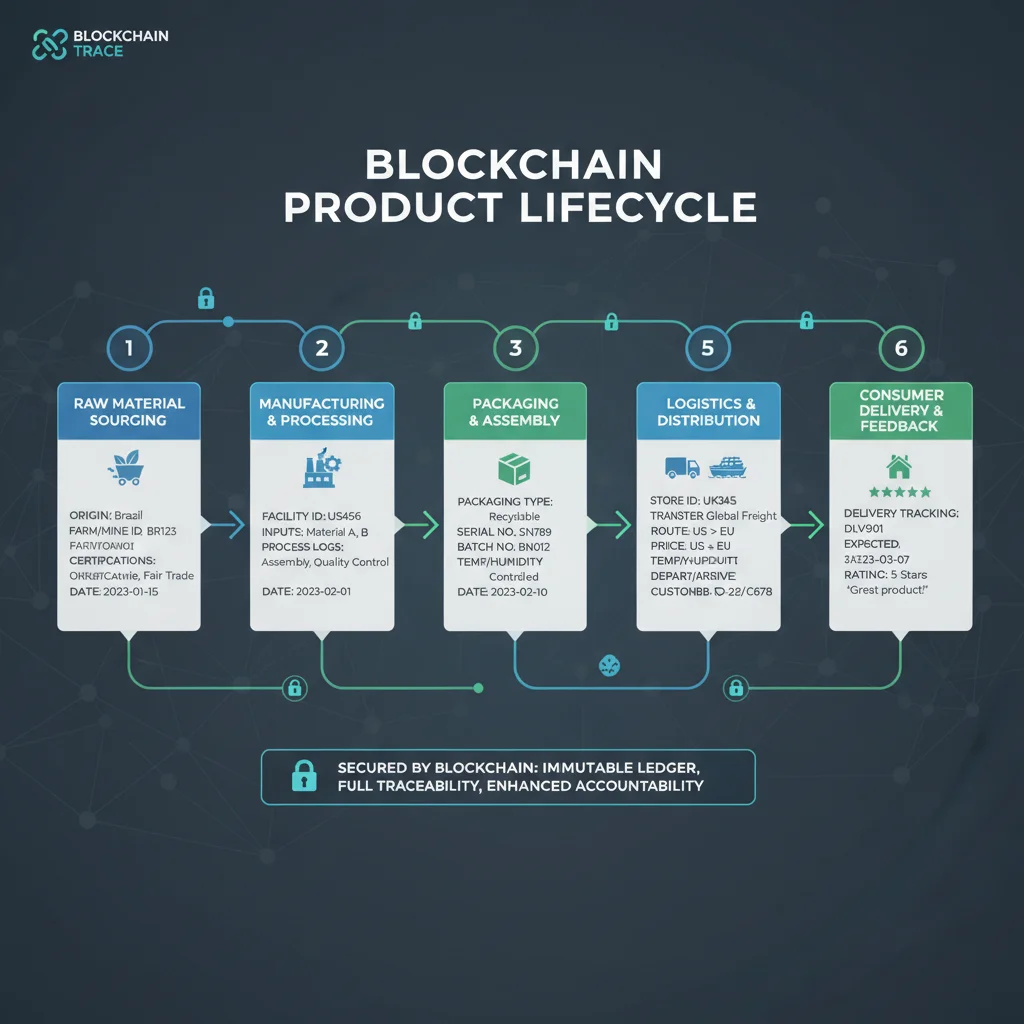
One of the most compelling benefits of blockchain is its ability to provide end-to-end traceability for products. From the moment raw materials are sourced to the final delivery to the customer, every step can be recorded on the blockchain. This includes information about suppliers, manufacturing dates, quality control checks, shipping details, and even environmental certifications. For industries like food and pharmaceuticals, this level of traceability is invaluable for quick recalls, preventing counterfeit goods, and ensuring product safety.
Consider the food industry: consumers want to know where their food comes from. With blockchain, a consumer could scan a QR code on a product and instantly access its journey, from the farm where it was grown, through processing, packaging, and transport. This builds immense consumer trust and brand loyalty.
Improved Data Integrity and Security
Traditional supply chains often suffer from data silos, where different participants maintain their own records, leading to discrepancies and disputes. Blockchain eliminates this by providing a single, shared source of truth. The cryptographic nature of blockchain ensures that data entered onto the ledger is secure and tamper-proof. This significantly reduces the risk of fraud, errors, and unauthorized alterations, providing a reliable foundation for all supply chain operations. The security benefits alone can justify the investment, enhancing blockchain supply chain ROI by preventing costly issues.
Streamlined Compliance and Auditing
For U.S. businesses, navigating a complex web of regulations is a constant challenge. Blockchain simplifies compliance by providing an immutable record of all transactions and certifications. Regulatory bodies can access verified data quickly and efficiently, reducing the burden of manual audits and ensuring adherence to standards like FDA regulations, ethical sourcing guidelines, and environmental mandates. This leads to faster approvals, fewer penalties, and a more streamlined regulatory process.
Reduced Costs and Increased Efficiency
The automation capabilities of blockchain, particularly through smart contracts, can significantly reduce operational costs. Smart contracts are self-executing agreements with the terms directly written into code. Once predefined conditions are met (e.g., product delivery confirmed), payments can be automatically released, or subsequent actions triggered. This eliminates the need for intermediaries, reduces administrative overhead, and speeds up transaction times. Furthermore, enhanced visibility helps identify bottlenecks, optimize inventory management, and reduce waste, all contributing to a stronger blockchain supply chain ROI.
Enhanced Trust and Collaboration
By creating a transparent and secure environment, blockchain fosters greater trust and collaboration among supply chain partners. Each participant has access to the same, verified information, reducing disputes and promoting smoother interactions. This shared understanding can lead to more effective partnerships, joint problem-solving, and a more resilient supply chain ecosystem. In the competitive U.S. market, strong partnerships are a key differentiator.
Calculating Blockchain Supply Chain ROI: A 2026 Perspective
Maximizing ROI from blockchain adoption requires a clear understanding of both the direct and indirect benefits. By 2026, as the technology matures and adoption becomes more widespread, the ROI for U.S. businesses will be increasingly evident. It’s not just about cost savings; it’s about competitive advantage, risk mitigation, and brand enhancement.
Direct ROI Drivers: Quantifiable Savings
- Reduced Fraud and Counterfeiting: Industries like luxury goods, pharmaceuticals, and electronics suffer billions in losses due to counterfeiting. Blockchain’s immutable ledger can drastically reduce these losses by verifying authenticity.
- Lower Administrative Costs: Automation through smart contracts, reduced paperwork, and fewer manual checks translate into significant operational savings.
- Optimized Inventory Management: Real-time visibility into inventory levels across the supply chain helps reduce overstocking, minimize stockouts, and lower carrying costs.
- Faster Payments and Settlement: Smart contracts can accelerate payment cycles, improving cash flow for all partners.
- Reduced Audit Costs: Streamlined data access and verifiable records simplify compliance and reduce the time and resources spent on audits.
Indirect ROI Drivers: Strategic Advantages
- Enhanced Brand Reputation and Consumer Trust: Transparency builds trust, which translates into increased customer loyalty and potentially higher sales. Consumers are willing to pay more for ethically sourced and verified products.
- Improved Risk Management: The ability to quickly identify and isolate issues (e.g., contaminated products, faulty components) minimizes recalls, reduces liability, and protects brand image.
- Competitive Differentiation: Early adopters of blockchain for supply chain transparency will gain a significant competitive edge, attracting conscientious consumers and partners.
- Access to New Markets: Meeting stringent international and domestic regulations becomes easier, opening doors to new markets and partnerships.
- Better Supplier Relationships: Increased trust and transparency foster stronger, more collaborative relationships with suppliers, leading to better terms and reliability.
To accurately calculate blockchain supply chain ROI, businesses must conduct a thorough cost-benefit analysis. This involves identifying current pain points, quantifying the costs associated with existing inefficiencies, and then projecting the savings and revenue enhancements that blockchain can deliver. By 2026, sophisticated analytical tools will further refine these calculations, making the business case for blockchain even stronger.
Challenges and Considerations for U.S. Businesses
While the benefits of blockchain are clear, its adoption is not without challenges. U.S. businesses must carefully consider these factors to ensure a successful implementation and maximize their blockchain supply chain ROI.
Interoperability and Standardization
One of the primary challenges is ensuring interoperability between different blockchain platforms and legacy systems. A supply chain often involves numerous participants, each potentially using different technologies. Developing industry-wide standards and protocols for blockchain integration will be crucial for seamless data exchange. Efforts are already underway in various sectors to address this, but businesses need to plan for a flexible and adaptable solution.
Scalability and Performance
Public blockchains, while highly secure, can sometimes struggle with scalability, processing a limited number of transactions per second. For high-volume supply chains, this can be a bottleneck. Private or consortium blockchains, which offer more control and higher transaction speeds, are often preferred for enterprise applications. However, selecting the right blockchain architecture that balances decentralization, security, and performance is vital.
Data Privacy and Confidentiality
While transparency is a goal, businesses also need to protect sensitive commercial data. Not all information can be made public. Solutions like zero-knowledge proofs and permissioned blockchains allow for selective disclosure of information, ensuring that only authorized parties can access specific data points while maintaining the overall integrity of the ledger. Adhering to U.S. data privacy laws like CCPA is also a critical consideration.
High Initial Investment and Expertise Gap
Implementing blockchain technology can require a significant upfront investment in infrastructure, software development, and training. Furthermore, there is a shortage of skilled blockchain developers and experts, making talent acquisition a challenge. Businesses should consider phased implementations, pilot programs, and partnerships with specialized blockchain solution providers to mitigate these costs and bridge the expertise gap.
Change Management and Ecosystem Buy-in
Successfully integrating blockchain requires buy-in from all supply chain participants – from raw material suppliers to logistics providers and retailers. This involves significant change management, educating partners on the benefits, and establishing clear governance models. Without collective participation, the full potential of blockchain for supply chain transparency cannot be realized.

Strategic Roadmap for U.S. Businesses by 2026
To achieve maximum blockchain supply chain ROI by 2026, U.S. businesses should follow a strategic, phased approach. This roadmap outlines key steps for successful adoption and integration.
Phase 1: Assessment and Pilot (Current – 2024)
- Identify Key Pain Points: Pinpoint specific areas in your supply chain where a lack of transparency or efficiency leads to significant costs, risks, or customer dissatisfaction. Examples include counterfeit products, long dispute resolution times, or compliance challenges.
- Define Clear Objectives: Establish measurable goals for blockchain implementation. What specific problems will it solve? What ROI metrics will be tracked?
- Educate and Build Internal Expertise: Invest in training for key personnel. Foster a culture of innovation and understanding of blockchain’s potential.
- Select a Pilot Project: Start with a manageable, high-impact project. This could be tracing a single high-value product, managing a specific compliance requirement, or digitizing a particular document flow.
- Choose the Right Technology Partner: Collaborate with experienced blockchain solution providers who understand your industry and can offer scalable, secure, and interoperable platforms.
Phase 2: Expansion and Integration (2024 – 2025)
- Integrate with Core Systems: Seamlessly connect your blockchain solution with existing ERP, SCM, and IoT systems to ensure data flow and avoid silos.
- Onboard Key Partners: Gradually expand the blockchain network to include more suppliers, logistics providers, and distributors. Provide training and support to ensure smooth adoption.
- Develop Smart Contracts: Implement smart contracts for automated processes such as payments, quality checks, and compliance verification.
- Refine Data Governance: Establish clear policies for data input, access, and privacy within the blockchain network, ensuring compliance with relevant regulations.
- Measure and Optimize: Continuously monitor the performance of your blockchain solution against your defined ROI metrics. Make data-driven adjustments to optimize processes and expand benefits.
Phase 3: Optimization and Industry Leadership (2025 – 2026 and Beyond)
- Full-Scale Deployment: Extend blockchain across your entire supply chain, integrating all relevant products and processes.
- Leverage Advanced Analytics: Utilize the rich data generated by the blockchain for predictive analytics, demand forecasting, and further supply chain optimization.
- Innovate with New Applications: Explore advanced blockchain applications such as decentralized autonomous organizations (DAOs) for supply chain governance, or tokenization of assets for enhanced financing.
- Influence Industry Standards: As a leader in blockchain adoption, contribute to the development of industry-wide standards and best practices, further cementing your competitive position.
- Continuous Improvement: The blockchain landscape is evolving rapidly. Stay abreast of new developments, security enhancements, and emerging use cases to maintain your edge and continuously improve your blockchain supply chain ROI.
Real-World Impact and Future Outlook
Several U.S. industries are already demonstrating the significant potential of blockchain for supply chain transparency. In the agricultural sector, companies are using blockchain to trace produce from farm to table, ensuring food safety and combating fraud. The pharmaceutical industry is leveraging it to track drug shipments, verify authenticity, and comply with strict regulations like the Drug Supply Chain Security Act (DSCSA). Retail giants are exploring blockchain to verify ethical sourcing and combat counterfeits in their vast product catalogs.
By 2026, we can expect to see a more mature blockchain ecosystem in the U.S. supply chain landscape. Interoperability solutions will become more robust, and the initial investment hurdles will be lowered as more plug-and-play solutions emerge. The focus will shift from experimental pilot projects to widespread, integrated deployments that deliver measurable blockchain supply chain ROI across various sectors. The competitive pressure to adopt transparent and efficient supply chain practices will intensify, making blockchain an indispensable tool for survival and growth.
Furthermore, the integration of blockchain with other emerging technologies like Artificial Intelligence (AI), the Internet of Things (IoT), and 5G will unlock even greater potential. IoT devices can feed real-time data directly onto the blockchain, AI can analyze this vast dataset to identify patterns and predict disruptions, and 5G will provide the high-speed connectivity needed for seamless data transfer. This synergy will create truly intelligent, autonomous, and hyper-transparent supply chains.
Conclusion: Securing Your Future with Blockchain
The imperative for U.S. businesses to adopt blockchain for supply chain transparency is clear. The benefits, ranging from enhanced traceability and security to reduced costs and improved brand reputation, offer a compelling case for investment. While challenges exist, a strategic and phased implementation plan, coupled with a focus on collaboration and continuous innovation, can pave the way for significant blockchain supply chain ROI by 2026.
The future of supply chains is transparent, secure, and efficient. Businesses that embrace blockchain now will not only meet evolving consumer and regulatory demands but will also build resilient, trustworthy, and highly competitive operations. Don’t be left behind in the digital transformation; start planning your blockchain journey today to secure a prosperous future in the dynamic U.S. market.
