US Business Guide: Navigating 2026 International Sanctions & Financial Impact
Anúncios
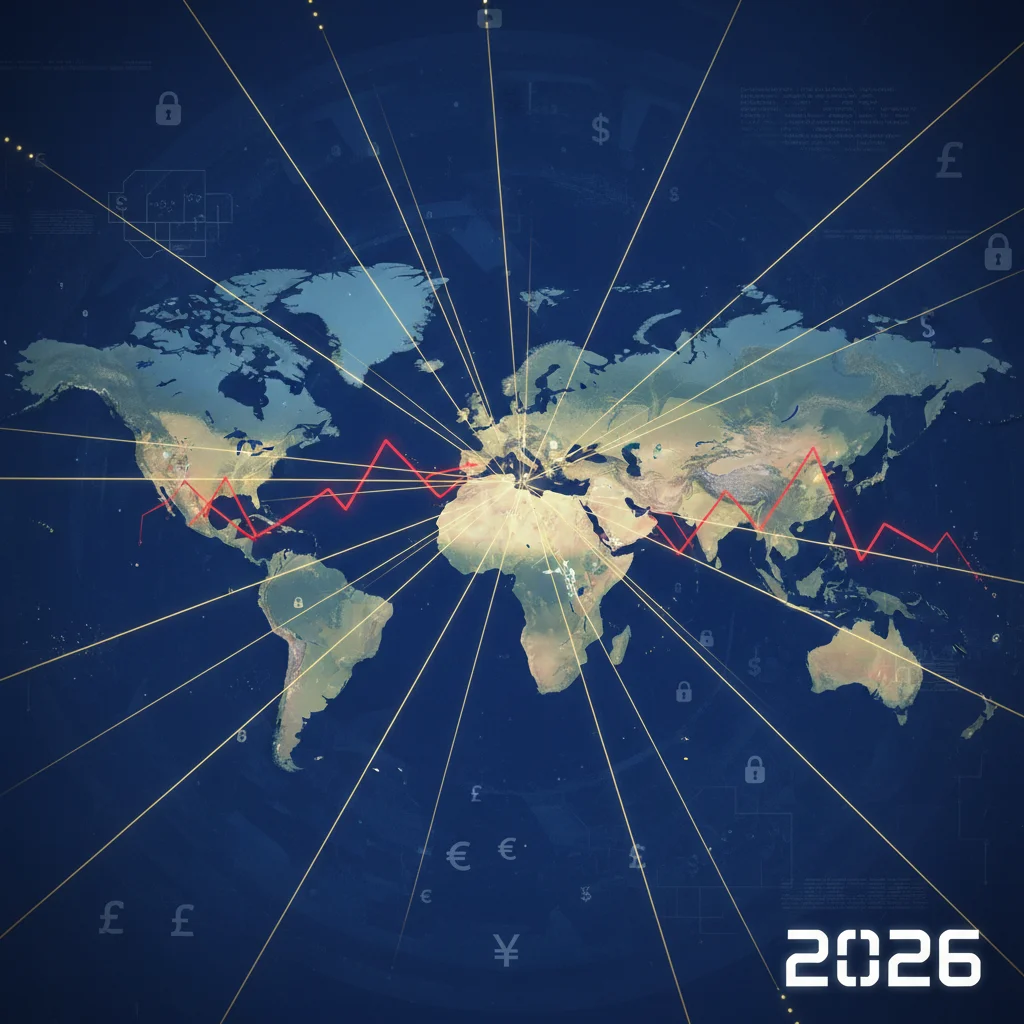
US Business Guide: Navigating 2026 International Sanctions & Financial Impact on Overseas Operations
The global geopolitical landscape is in a constant state of flux, and with it, the intricate web of international sanctions continues to evolve. For US businesses with overseas operations, staying abreast of these changes is not merely a best practice; it is a critical imperative for survival and sustained growth. As we look towards 2026, the complexities of US sanctions compliance are set to intensify, demanding proactive strategies and robust frameworks to mitigate financial impact and ensure uninterrupted operations. This comprehensive guide aims to equip US businesses with the knowledge and tools necessary to navigate this challenging environment successfully.
Understanding the Evolving Landscape of International Sanctions for US Businesses
International sanctions are economic, financial, or political measures imposed by one or more countries against another country, specific entities, or individuals. They serve as powerful foreign policy tools, aiming to achieve various objectives, from countering terrorism and nuclear proliferation to promoting human rights and deterring aggression. For US businesses, the primary authority overseeing these sanctions is the Office of Foreign Assets Control (OFAC) of the U.S. Department of the Treasury. OFAC administers and enforces economic and trade sanctions based on U.S. foreign policy and national security goals against targeted foreign countries and regimes, terrorists, international narcotics traffickers, those engaged in activities related to the proliferation of weapons of mass destruction, and other threats to the national security, foreign policy, or economy of the United States.
Key Trends Shaping Sanctions in 2026
Several key trends are poised to shape the international sanctions landscape in 2026, directly impacting US sanctions compliance efforts:
Anúncios
- Increased Geopolitical Volatility: Ongoing conflicts and rising tensions in various regions will likely lead to new sanctions regimes or the expansion of existing ones. This necessitates continuous monitoring and adaptability for US businesses.
- Focus on Technology and Cyber-Enabled Activities: Sanctions targeting malicious cyber actors and entities involved in the proliferation of surveillance technologies are expected to grow. Businesses dealing with sensitive technologies or operating in high-risk cyber environments must be particularly vigilant.
- Emphasis on Human Rights: Human rights-related sanctions, such as those under the Global Magnitsky Act, are becoming more prevalent. US businesses need to conduct thorough due diligence on their supply chains and partners to avoid inadvertently supporting entities involved in human rights abuses.
- Secondary Sanctions and Extra-territorial Reach: The potential for secondary sanctions, which target foreign entities doing business with sanctioned parties, remains a significant concern. This expands the scope of US sanctions compliance beyond direct engagement with sanctioned entities.
- Supply Chain Scrutiny: Governments are increasingly focusing on supply chain vulnerabilities and the potential for sanctioned goods or entities to infiltrate global trade networks. This requires enhanced due diligence across entire supply chains.
- Digital Assets and Cryptocurrency: The use of digital assets by sanctioned entities is a growing concern. Regulatory bodies are developing frameworks to address this, and US businesses involved in cryptocurrency or blockchain technologies must anticipate evolving compliance requirements.
The Critical Importance of Robust US Sanctions Compliance Programs
A robust US sanctions compliance program is not just about avoiding penalties; it’s about safeguarding your business’s reputation, financial stability, and operational continuity. Non-compliance can lead to severe consequences, including hefty fines, criminal charges, reputational damage, and even loss of export privileges. OFAC enforces strict liability, meaning that a violation can occur even if a person did not know or have reason to know that they were engaging in a transaction with a sanctioned party. This underscores the need for comprehensive and proactive compliance measures.
Core Components of an Effective Compliance Program
An effective US sanctions compliance program, as outlined by OFAC’s framework, typically includes five essential components:
- Management Commitment: Senior management must demonstrate a strong commitment to compliance, allocating sufficient resources, and fostering a culture of compliance throughout the organization.
- Risk Assessment: Businesses must conduct thorough, ongoing risk assessments to identify, analyze, and address the specific sanctions risks relevant to their operations, customers, products, services, and geographic locations.
- Internal Controls: Implement policies and procedures designed to identify, interdict, escalate, and report prohibited transactions. This includes screening mechanisms, payment processing controls, and record-keeping.
- Testing and Auditing: Regularly test and audit the compliance program to ensure its effectiveness, identify weaknesses, and implement corrective actions.
- Training: Provide regular, comprehensive training to all relevant employees on sanctions regulations, company policies, and their individual responsibilities.
Mitigating Financial Impact on Overseas Operations
The financial impact of international sanctions on US businesses operating overseas can be substantial. This can manifest as frozen assets, disrupted supply chains, payment processing delays, increased compliance costs, and lost business opportunities. Proactive mitigation strategies are crucial to minimize these adverse effects.
Anúncios
Strategies for Financial Impact Mitigation
Effective financial impact mitigation involves a multi-faceted approach:
- Enhanced Due Diligence: Go beyond basic screenings. Implement enhanced due diligence procedures for higher-risk transactions, customers, and jurisdictions. This includes researching ultimate beneficial ownership, reviewing financial statements, and understanding the nature of business relationships.
- Geographic Diversification: While not always feasible, consider diversifying your overseas operations and supply chains to reduce reliance on high-risk jurisdictions or those frequently subject to sanctions.
- Contractual Safeguards: Incorporate robust sanctions clauses into all contracts with international partners. These clauses should address compliance obligations, representations and warranties regarding sanctions status, and termination rights in case of sanctions violations.
- Payment System Resilience: Explore alternative payment mechanisms and banking relationships in non-sanctioned jurisdictions to ensure continuity of financial transactions. Be aware of “de-risking” trends where financial institutions may withdraw from certain regions due to sanctions concerns.
- Insurance Coverage Review: Review your insurance policies to understand coverage for potential losses due to sanctions. Some policies may exclude sanctions-related events.
- Scenario Planning and Stress Testing: Conduct scenario planning exercises to assess the potential financial impact of various sanctions scenarios on your business. Stress test your financial models to understand your vulnerability.
- Expert Legal Counsel: Engage with legal experts specializing in sanctions law. Their guidance is invaluable in interpreting complex regulations, developing compliance strategies, and responding to potential violations.

Key Areas of Focus for US Businesses in 2026
To ensure robust US sanctions compliance in 2026, businesses should pay particular attention to the following areas:
Supply Chain Visibility and Resilience
The intricate nature of global supply chains makes them a primary vector for sanctions risk. Businesses must strive for greater transparency and visibility into their entire supply chain, from raw material sourcing to final product delivery. This includes:
- Mapping Your Supply Chain: Understand every entity involved, including suppliers, sub-suppliers, logistics providers, and intermediaries.
- Due Diligence on All Tiers: Extend due diligence efforts beyond direct suppliers to include lower-tier suppliers, especially those in high-risk regions.
- Technology for Supply Chain Monitoring: Utilize advanced analytics and AI-powered tools to continuously monitor supply chain entities for sanctions risks, ownership changes, and adverse media.
- Contingency Planning: Develop contingency plans for supply chain disruptions caused by new sanctions or enforcement actions.
Technology and Data Management
Technology plays a dual role in sanctions: it can be a target of sanctions, but it is also an indispensable tool for compliance. Effective use of technology is paramount for US sanctions compliance.
- Automated Screening Solutions: Implement robust automated screening software for customers, vendors, employees, and transactions against all relevant sanctions lists (e.g., OFAC SDN list, SSI list). These tools should offer real-time updates and integrate seamlessly with existing systems.
- Data Integrity and Management: Ensure the accuracy and completeness of your data. Poor data quality can lead to false positives or, worse, missed matches, exposing your business to risk.
- Secure Data Storage: Protect sensitive compliance data from cyber threats, as breaches can lead to compromised information and further compliance challenges.
- Geolocation and IP Blocking: For online services or digital products, consider implementing geolocation blocking and IP address filtering to prevent access from sanctioned jurisdictions.
Training and Culture of Compliance
Even the most sophisticated systems are ineffective without a well-trained workforce and a strong culture of compliance. Employees are often the first line of defense against sanctions violations.
- Tailored Training Programs: Develop training programs that are specific to different roles and responsibilities within the organization. A sales team’s training needs will differ from those of the finance or legal department.
- Regular Refreshers: Conduct regular refresher training sessions to keep employees updated on the latest sanctions developments and internal policies.
- Whistleblower Protection: Establish clear channels for employees to report suspicious activities without fear of retaliation, fostering an environment where compliance concerns are openly discussed.
- Leadership Buy-in: Ensure that leadership actively champions compliance, setting the tone from the top and demonstrating its importance through their actions and communications.
Collaboration with Financial Institutions
Financial institutions are critical partners in the sanctions compliance ecosystem. US businesses must maintain open and transparent communication with their banks and other financial service providers.
- Understand Bank Requirements: Be aware of your financial institution’s compliance requirements and expectations. They may have additional due diligence requests or restrictions based on their own risk assessments.
- Proactive Communication: Inform your bank of any unusual or high-risk transactions you anticipate, allowing them to conduct their own checks and reduce the likelihood of payment delays or rejections.
- Leverage Expertise: Financial institutions often have extensive expertise and resources dedicated to sanctions compliance. Leverage their knowledge and insights where appropriate.
Case Studies and Lessons Learned
Examining past enforcement actions by OFAC provides invaluable lessons for US sanctions compliance. While specific cases are often complex and nuanced, common themes emerge:
- Lack of Management Oversight: Many violations stem from insufficient management commitment or failure to adequately fund and staff compliance functions.
- Inadequate Screening: Simply screening against the SDN list once is often not enough. Dynamic screening, understanding beneficial ownership, and screening related parties are crucial.
- Circumvention Schemes: Sanctioned entities often employ sophisticated methods to evade sanctions. Businesses must be vigilant for red flags such as unusual payment patterns, third-country intermediaries, or vague descriptions of goods/services.
- Mergers and Acquisitions Due Diligence: Failure to conduct thorough sanctions due diligence during M&A activities can lead to inheriting significant compliance risks from acquired entities.
- Third-Party Risk: Businesses are responsible for the actions of their agents and third-party partners. Robust due diligence and ongoing monitoring of these relationships are essential.
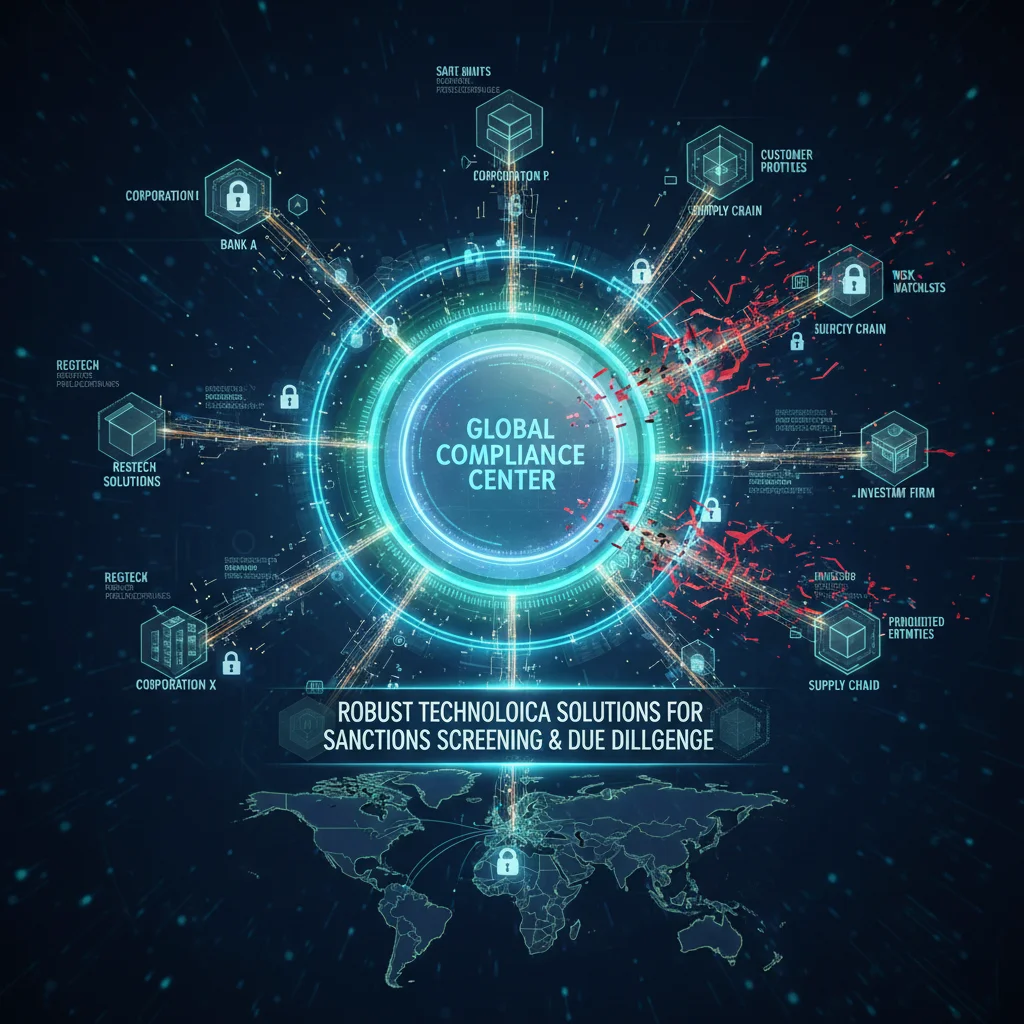
The Future of US Sanctions Compliance: AI, Blockchain, and Predictive Analytics
Looking beyond 2026, the landscape of US sanctions compliance will undoubtedly be shaped by emerging technologies. Artificial intelligence (AI), machine learning (ML), and blockchain technology are poised to revolutionize how businesses approach sanctions risk management.
- AI and ML for Enhanced Screening: AI and ML algorithms can process vast amounts of data, identify complex patterns, and detect subtle red flags that might be missed by traditional screening methods. This includes analyzing unstructured data, such as news articles and social media, for adverse media mentions related to sanctioned entities.
- Predictive Analytics: By analyzing historical data and geopolitical trends, predictive analytics can help businesses anticipate future sanctions risks, allowing for more proactive planning and mitigation.
- Blockchain for Supply Chain Transparency: Distributed ledger technology (blockchain) offers the potential for immutable and transparent records across supply chains. This can significantly enhance the ability of businesses to verify the origin of goods and the identities of all parties involved, reducing the risk of sanctioned goods entering the supply chain.
- RegTech Solutions: Regulatory technology (RegTech) solutions will continue to evolve, offering more sophisticated and integrated platforms for compliance management, reporting, and automated due diligence.
While these technologies offer immense potential, their implementation also brings new challenges, including data privacy concerns, the need for skilled personnel to manage and interpret results, and the evolving regulatory landscape surrounding their use. US businesses must invest in understanding and strategically adopting these technologies to maintain a competitive edge and ensure future-proof compliance programs.
Conclusion: Proactive Compliance as a Strategic Advantage
Navigating the complex and ever-changing world of international sanctions in 2026 requires more than just reactive measures. For US businesses with overseas operations, a proactive, comprehensive, and technologically advanced approach to US sanctions compliance is not just a regulatory necessity but a strategic advantage. By prioritizing management commitment, conducting thorough risk assessments, implementing robust internal controls, investing in continuous training, and leveraging cutting-edge technology, businesses can mitigate financial impact, protect their reputation, and ensure the long-term viability of their global endeavors.
The message is clear: the cost of non-compliance far outweighs the investment in a strong sanctions program. By staying informed, adaptable, and forward-thinking, US businesses can transform the challenge of international sanctions into an opportunity to build more resilient, ethical, and sustainable global operations.
