Drone Delivery Regulations 2026: U.S. Logistics Compliance Guide
Anúncios
Insider Tips: Navigating U.S. Regulations for Drone Delivery Systems in 2026 for 15% Faster Logistics.
The sky is no longer the limit; it’s the next frontier for logistics. As we approach 2026, the promise of drone delivery systems revolutionizing the supply chain is closer than ever. Companies are eyeing a future where packages arrive faster, costs are cut, and customer satisfaction soars. However, unlocking these benefits, particularly achieving that coveted 15% faster logistics, hinges critically on understanding and meticulously adhering to the evolving U.S. drone delivery regulations. This comprehensive guide delves deep into the regulatory landscape, offering insider tips and strategic insights to ensure your drone delivery operations are not just innovative, but also fully compliant and efficient.
The United States, with its vast and complex airspace, presents unique challenges and opportunities for drone operators. The Federal Aviation Administration (FAA) is the primary regulatory body, constantly updating its guidelines to balance innovation with safety and national security. For businesses looking to implement or scale drone delivery, staying abreast of these changes is not merely a formality; it’s a strategic imperative. Non-compliance can lead to hefty fines, operational shutdowns, and severe reputational damage, negating any potential logistical gains. Our focus here is to demystify these regulations and provide actionable strategies for seamless integration of drone technology into your logistics framework.
The Evolving Landscape of U.S. Drone Delivery Regulations
The journey to a fully operational drone delivery ecosystem in the U.S. has been marked by significant regulatory milestones. From the initial Section 333 exemptions to the more structured Part 107 rules, and now the complex web of Remote ID, Operations Over People (OOP), and Beyond Visual Line of Sight (BVLOS) provisions, the FAA has been incrementally paving the way. By 2026, we anticipate a more mature regulatory environment, but one that will still demand vigilance and adaptability from operators.
Anúncios
Key Regulatory Pillars for 2026 Drone Operations
- Remote Identification (Remote ID): This is perhaps the most foundational requirement. As of September 2023, most drones operating in U.S. airspace are required to broadcast identification and location information. For delivery operations, ensuring all your drones are equipped with standard or broadcast modules, or operate within FAA-recognized identification areas (FRIA), is non-negotiable. This regulation is crucial for national security and air traffic management, making it a cornerstone of future drone operations. Companies must integrate Remote ID compliance into their procurement and operational protocols from the outset to avoid disruptions.
- Operations Over People (OOP) and Moving Vehicles: Delivering directly to a customer’s doorstep often means flying over people or moving vehicles. The FAA’s rules on OOP, particularly Category 2 and 3 operations, are critical. These categories require drones to meet specific manufacturing, maintenance, and operational standards to mitigate risk. Understanding the weight limits, propeller guard requirements, and crashworthiness standards for your chosen drone models will be paramount. For Category 3 operations, a robust safety case and FAA approval are essential, often requiring extensive testing and data submission.
- Beyond Visual Line of Sight (BVLOS): This is the holy grail for scalable drone delivery. True efficiency and widespread coverage require drones to operate without a pilot maintaining direct visual contact. The FAA has been gradually approving BVLOS operations through waivers and specific authorizations. By 2026, we expect clearer pathways and potentially more standardized rules for BVLOS. Operators will need to demonstrate advanced technological capabilities, robust risk mitigation strategies, and sophisticated air traffic management integration. This includes reliable command and control links, detect-and-avoid (DAA) systems, and comprehensive operational procedures.
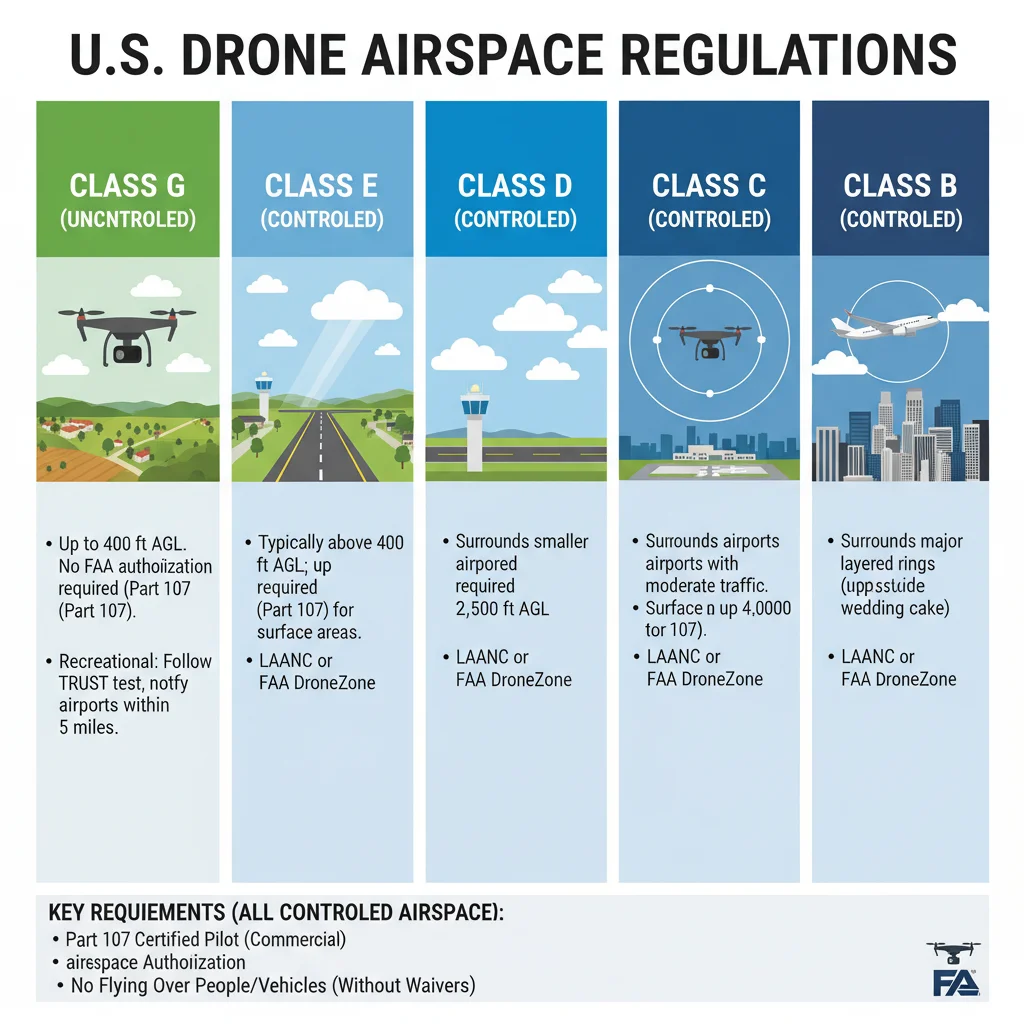
- Airspace Authorization: While Part 107 allows operations in Class G airspace without specific authorization, most urban and suburban delivery routes will traverse controlled airspace (Class B, C, D, E). The Low Altitude Authorization and Notification Capability (LAANC) system is vital for obtaining near real-time authorizations for flights in controlled airspace up to 400 feet. For more complex or higher-altitude operations, manual authorization requests are still necessary. Proactive planning and integration with LAANC are crucial for maintaining efficient delivery schedules.
Strategic Compliance for 15% Faster Logistics
Achieving a significant boost in logistical speed isn’t just about faster drones; it’s about intelligent compliance that minimizes delays, avoids penalties, and optimizes operational flow. Here’s how strategic navigation of drone delivery regulations can directly lead to faster logistics:
1. Proactive Waiver and Authorization Management
Don’t wait until you’re ready to launch to apply for waivers. The FAA’s review process can be lengthy. Identify your operational needs early – whether it’s BVLOS, OOP, or specific airspace access – and begin the waiver application process well in advance. Building a strong safety case with comprehensive data and a detailed CONOP (Concept of Operations) will expedite approvals. Consider engaging with FAA representatives early in your planning stages to understand their expectations and streamline your submissions.
2. Investing in Regulatory-Compliant Technology
The choice of drone hardware and software is critical. Prioritize drones that are designed with regulatory compliance in mind. Look for features like:
Anúncios
- Integrated Remote ID: Essential for seamless operations.
- Advanced Detect-and-Avoid (DAA) Systems: Crucial for BVLOS and safe operations in complex environments. These systems, utilizing radar, LiDAR, or computer vision, help drones detect and avoid other aircraft and obstacles.
- Redundant Systems: Enhances safety and reliability, a key factor in FAA approvals for OOP and BVLOS.
- Secure Communications: Ensures reliable command and control, preventing signal loss and unauthorized access.
- Geo-fencing and Geo-caging Capabilities: To prevent drones from entering restricted airspace or flying outside approved corridors.
Software platforms that automate flight planning, airspace checks, and compliance reporting can significantly reduce manual effort and human error, contributing to faster deployment and smoother operations.
3. Robust Training and Certification Programs
Your drone pilots and operational staff are your first line of defense against non-compliance. Invest in rigorous training programs that go beyond basic Part 107 certification. Training should cover:
- Advanced airspace management.
- Emergency procedures specific to delivery operations.
- Data privacy and security protocols.
- Specific operational procedures for BVLOS and OOP.
- Regular refreshers on evolving drone delivery regulations.
Consider establishing an internal certification program that exceeds FAA minimums, fostering a culture of safety and compliance within your organization.
Understanding the Intricacies of Airspace Management
One of the most complex aspects of U.S. drone delivery regulations is airspace management. The National Airspace System (NAS) is a shared resource, and drones must integrate safely with traditional aircraft. By 2026, we anticipate continued advancements in Unmanned Aircraft System Traffic Management (UTM) systems, which will be crucial for scaling drone delivery.
UTM and Air Traffic Integration
UTM systems are designed to manage low-altitude drone operations, providing services such as airspace deconfliction, weather information, and dynamic geo-fencing. Engaging with UTM service providers and understanding their capabilities will be vital. Companies should plan to integrate their drone operations with these systems, potentially sharing flight plans and telemetry data to ensure safe separation from other air traffic. This integration is not just a regulatory requirement but a facilitator of efficient, high-volume drone operations.
Strategic Route Planning and Optimization
Optimizing delivery routes involves more than just finding the shortest path. It requires considering:
- Airspace Restrictions: Avoiding temporary flight restrictions (TFRs), permanent restricted areas, and densely populated controlled airspace where possible.
- Weather Conditions: Planning for wind, precipitation, and temperature, which can impact drone performance and safety.
- Landing Zone Availability: Ensuring safe and compliant take-off and landing points, especially for package retrieval.
- Noise Considerations: While not strictly regulatory, minimizing noise impact can be crucial for public acceptance and avoiding local ordinances that might emerge.
Advanced route planning software that incorporates real-time NOTAMs (Notices to Airmen), weather data, and airspace classifications will be indispensable for achieving those 15% faster logistics targets. This software can automatically adjust routes to maintain compliance and efficiency.
The Role of Data and Documentation in Compliance
In the world of drone delivery regulations, if it’s not documented, it didn’t happen. Comprehensive data collection and meticulous record-keeping are fundamental to demonstrating compliance and building a strong safety case for future authorizations.
Essential Documentation for Drone Delivery Operators
- Operations Manual: A detailed document outlining all operational procedures, safety protocols, emergency responses, and personnel responsibilities. This is often required for waivers and advanced authorizations.
- Maintenance Records: Detailed logs of all drone maintenance, repairs, and inspections. This demonstrates airworthiness and adherence to manufacturer guidelines.
- Pilot Logs: Records of pilot flight hours, training, and certifications.
- Incident Reports: Thorough documentation of any accidents, incidents, or near misses, including root cause analysis and corrective actions.
- Compliance Audits: Regular internal audits to ensure ongoing adherence to all FAA regulations and internal procedures.
Leveraging digital platforms for data logging and document management can significantly streamline this process, making it easier to retrieve information during audits or when applying for new authorizations.
Data Privacy and Security Considerations
Beyond aviation regulations, drone delivery also intersects with data privacy and security laws. Drones equipped with cameras or sensors may collect sensitive data about individuals or properties. Companies must ensure their operations comply with federal and state privacy laws, including data retention policies and protection against unauthorized access. Cybersecurity for drone control systems and data links is also paramount to prevent hacking or interference, which could compromise safety and operational integrity.
Anticipating Future Regulatory Changes and Public Acceptance
The regulatory environment for drones is dynamic. While we can predict trends for 2026, new technologies, public feedback, and unforeseen incidents can always trigger new rules. Staying ahead means more than just reacting to current laws; it means anticipating future developments.
Engaging with Industry and Regulatory Bodies
Active participation in industry associations, working groups, and public comment periods for proposed FAA rules can provide invaluable insights and even influence future regulations. Companies that engage proactively can help shape a regulatory framework that is both safe and conducive to innovation. Direct communication with FAA officials and participation in pilot programs can also provide a competitive edge.
Addressing Public Perception and Community Integration
While not direct regulations, public acceptance plays a crucial role in the expansion of drone delivery. Concerns about noise, privacy, and safety can lead to local ordinances or public resistance that can hinder operations. Companies should prioritize:
- Transparent Communication: Educating the public about drone safety measures and benefits.
- Community Engagement: Addressing concerns and gathering feedback from residents in planned operational areas.
- Noise Reduction Technologies: Investing in quieter drone designs.
- Privacy-by-Design: Implementing technologies and policies that protect privacy from the outset.
Building trust within communities will be as important as regulatory compliance for the long-term success and scalability of drone delivery services.

Case Study: A Hypothetical 2026 Drone Delivery Scenario
Imagine ‘SwiftDeliver Inc.’ in 2026, aiming for 15% faster logistics for its urban pharmaceutical deliveries. They operate a fleet of advanced drones specifically designed for Category 2 OOP, equipped with integrated Remote ID and sophisticated DAA systems. Their operational strategy hinges on several key compliance elements:
- Pre-approved Flight Corridors: SwiftDeliver worked with the FAA to establish pre-approved BVLOS flight corridors over specific urban areas, leveraging historical data on air traffic and population density. This required extensive safety case documentation and a demonstrated ability to manage these routes autonomously.
- Real-time Airspace Monitoring: Their control center uses an advanced UTM integrated system that provides real-time updates on airspace restrictions, weather, and other air traffic, allowing for dynamic route adjustments and immediate compliance.
- Automated Compliance Checks: Before each flight, an automated system checks the drone’s maintenance logs, pilot certifications, and verifies the flight plan against current regulations and authorizations. Any non-compliance triggers an immediate halt.
- Public Engagement Program: SwiftDeliver runs a continuous public awareness campaign, detailing their safety protocols and community benefits, which has fostered strong local support and minimized resistance to their operations.
By meticulously adhering to and proactively engaging with drone delivery regulations, SwiftDeliver Inc. not only achieved its 15% faster logistics goal but also built a reputation for safety and reliability, setting a benchmark for the industry.
The Future is Now: Preparing Your Business for 2026 and Beyond
The convergence of technological advancement and a maturing regulatory framework makes 2026 a pivotal year for drone delivery. The businesses that will thrive are those that view compliance not as a burden, but as a strategic enabler for efficiency, safety, and competitive advantage. The 15% faster logistics target is achievable, but it demands a holistic approach that integrates regulatory understanding into every facet of drone operations, from hardware selection to pilot training and public relations.
As you plan your drone delivery initiatives, remember that the FAA’s primary mandate is safety. Demonstrating a commitment to safety through robust systems, rigorous training, and transparent operations will be your strongest asset in navigating the regulatory landscape. Embrace the opportunity to innovate responsibly, and you will not only unlock unprecedented logistical efficiencies but also contribute to the safe and sustainable growth of the drone economy.
Key Takeaways for Navigating 2026 Drone Delivery Regulations:
- Stay Informed: Regularly monitor FAA announcements, proposed rules, and industry guidance.
- Invest Wisely: Choose drone technology and software solutions that prioritize regulatory compliance and safety features.
- Train Thoroughly: Ensure your team is not just certified but deeply knowledgeable and proficient in all operational and regulatory aspects.
- Document Everything: Maintain meticulous records of operations, maintenance, and personnel.
- Engage Proactively: Work with the FAA, industry groups, and local communities to shape a favorable operating environment.
The future of logistics is airborne, and with careful planning and a deep understanding of U.S. drone delivery regulations, your business can be at the forefront of this exciting transformation.
